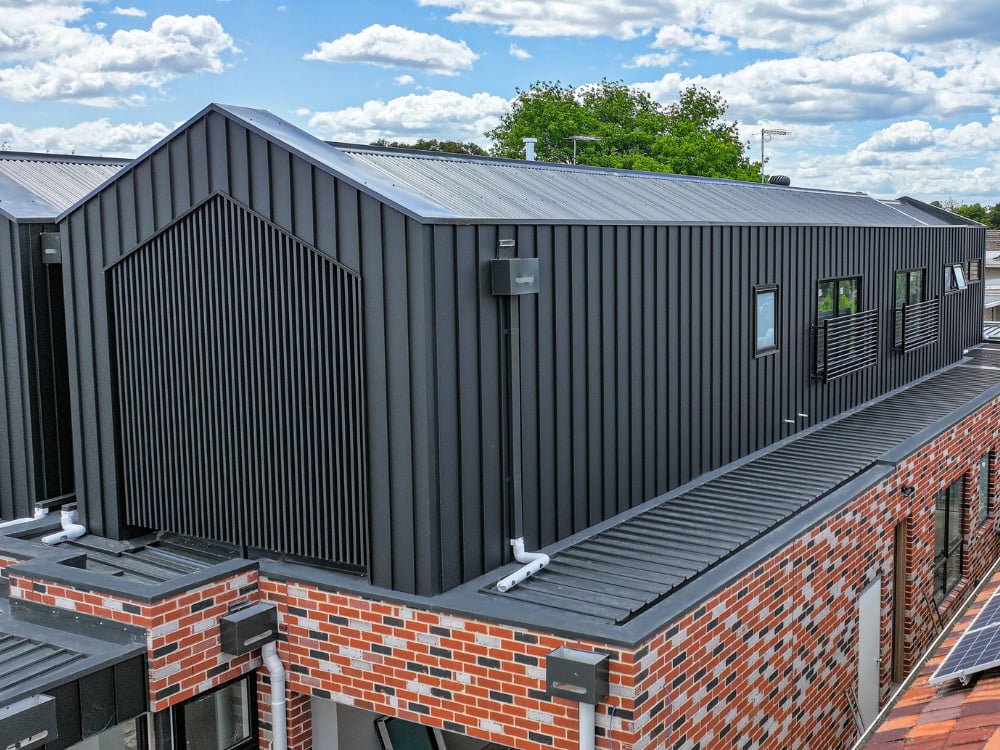
Modern cladding systems are engineered assemblies that manage water, control thermal transfer, and resist environmental degradation while defining a building’s visual character. External wall cladding functions as both a protective skin and architectural statement for buildings, but there’s a lot more happening behind those panels than most property owners realize. Performance testing shows that properly designed cladding can reduce heating and cooling costs by 25-35% while extending structural longevity by several decades. Understanding how different systems work and what they actually deliver helps you make choices based on real performance rather than marketing promises or initial price tags alone.
How Cladding Actually Protects Your Building
Water management is the primary job of any cladding system, and the best approach isn’t keeping water out completely—it’s managing inevitable water intrusion. Building science research has proven that all cladding systems eventually allow some water penetration through wind-driven rain or condensation. The difference between a good system and a failing one is how water gets out.
Drainage planes behind the cladding create pathways for water to run down and exit at the bottom. Ventilation gaps (typically 3/4 to 1 inch) allow air movement that dries any moisture that gets into the wall cavity. Studies monitoring moisture levels in wall assemblies show that ventilated systems dry out 60-80% faster than sealed systems after rain events.
UV degradation breaks down many building materials over time, but cladding takes the hit instead of your structural walls. Quality cladding materials use UV stabilizers or protective coatings that resist degradation for decades. Testing protocols measure this through accelerated weathering that simulates 20-30 years of sun exposure in just months.
Material Options and Their Real-World Performance
Fiber cement combines Portland cement, sand, and cellulose fibers into panels that handle moisture and fire exceptionally well. The material won’t rot, warp, or burn, earning it Class A fire ratings in standard tests. Water absorption typically runs under 5%, meaning the material doesn’t swell or degrade from moisture cycles. Expect 30-50 years of performance with one or two repainting cycles.
Vinyl cladding gets dismissed by some, but modern formulations have improved significantly. High-grade vinyl with titanium dioxide stabilizers resists UV much better than older products. The weakness remains impact resistance—vinyl cracks rather than dents, and repairs are often visible. Thermal expansion can be substantial, requiring careful installation with adequate movement gaps.
Engineered wood products layer wood strands or fibers with resins and binders. These perform better than solid wood in moisture environments, with water absorption around 8-12% compared to 15-20% for natural wood. The trade-off is that damage penetrating the surface coating allows water access to the core, which can lead to swelling or delamination.
Metal cladding in aluminum or steel offers exceptional durability when properly finished. Pre-finished panels with baked-on coatings last 30-40 years with almost no maintenance. Corrosion resistance depends heavily on the coating system—Kynar finishes outperform standard polyester by a significant margin in accelerated corrosion testing.
Thermal Performance and Energy Considerations
Cladding’s insulation value comes less from the panel itself and more from the overall assembly. Most cladding materials have R-values under R-1, which means they’re not meaningful insulators on their own. The performance comes from what’s behind the cladding.
Continuous insulation installed outboard of the structural framing eliminates thermal bridging through studs. This approach can improve effective wall R-values by 20-30% compared to cavity-only insulation. Cladding systems that accommodate thicker insulation layers without compromising drainage deliver the best energy performance.
Thermal mass in heavier materials like fiber cement or masonry can moderate temperature swings, reducing heating and cooling loads. This effect is most noticeable in climates with significant day-night temperature variations.
Design Flexibility and Architectural Expression
Horizontal versus vertical orientation changes the visual proportions of buildings dramatically. Horizontal applications tend to make structures appear longer and lower, while vertical orientations emphasize height. Traditional homes typically use horizontal, but modern designs often mix orientations or go fully vertical.
Color and texture combinations create endless possibilities. Contrasting colors at building transitions define different volumes and add visual interest. Texture variations from smooth to heavily embossed change how light interacts with surfaces throughout the day.
Mixing materials on single facades requires careful planning but delivers sophisticated results. The key is using material changes to reinforce architectural elements rather than creating arbitrary divisions. Entry features, floor transitions, and roof line changes provide logical locations for material shifts.
Installation Quality Determines Longevity
Even premium materials fail when installed incorrectly. Fastener placement and type matter enormously—over-driving fasteners crushes material edges, creating future failure points. Under-driving allows movement that can lead to cracks or panel loss in high winds.
Flashing details at windows, doors, and penetrations determine whether water gets trapped in walls or drains safely away. Building codes specify minimum flashing requirements, but best practices often exceed code minimums. The additional cost of proper flashing is minimal compared to water damage repairs.
Read More: 10 Affordable Kitchen Wall Art Prints You Can Order Online Today