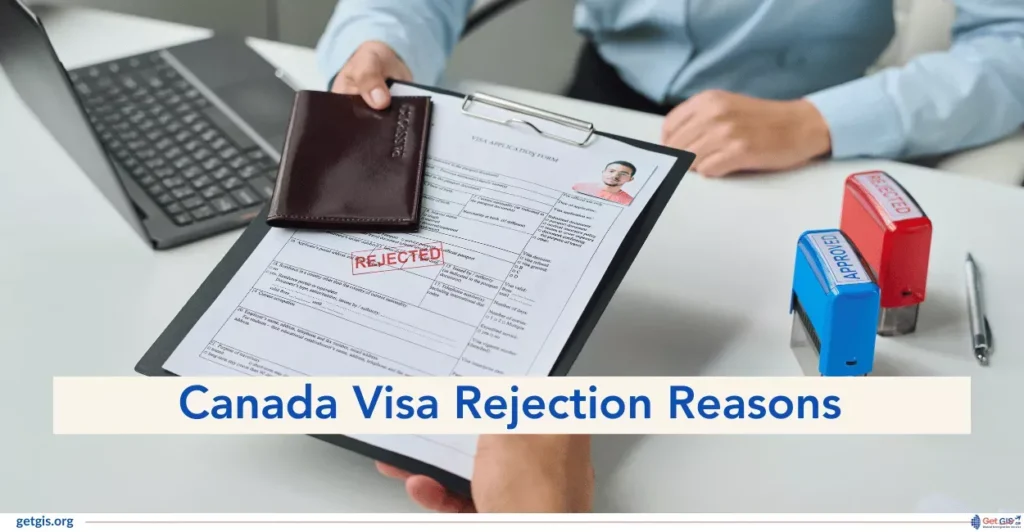
Starting over after a visa refusal can feel discouraging, especially for those already in Canada. The process is not always clear, and the rules can vary depending on the reason for refusal. Still, a refusal does not always mean the end of your stay. Understanding what options are available—and how to respond properly—can make a real difference.
SEP Immigration, a Toronto-based agency, often assists clients following visa refusals, helping them review their cases and identify next steps. This article outlines what you can do if your visa is denied and how to remain in Canada legally.
Your Legal Options After a Visa Refusal
Understanding the legal routes available after a refusal can help you plan your next move with clarity and confidence
Can you stay in Canada after being refused?
In most cases, a visa refusal means your legal status will end once your current permit expires. However, if you are already in Canada on a valid permit, you may have short-term options to stay while you plan your next move. It’s important to act quickly—waiting too long can limit your ability to apply for restoration or another visa.
The first step is to understand why the refusal happened. Immigration officers provide reasons in the refusal letter, such as missing documents, insufficient proof of funds, or questions about your intent to leave Canada. Addressing those issues directly will be key if you decide to reapply.
Temporary measures vs. permanent solutions
Temporary measures, like applying for a temporary resident permit, can allow you to remain in Canada while addressing the issues that led to your refusal. However, these are not long-term solutions. Permanent options—such as applying for permanent residence or a new visa—should be explored once your immediate status is stabilized.
Each situation is unique. A person refused a study permit, for example, might be eligible to switch to another category, while someone refused a work permit may need to demonstrate stronger ties or improved documentation before reapplying.
Applying for a Temporary Resident Permit (TRP)
A Temporary Resident Permit, or TRP, can be issued to someone who is otherwise inadmissible or has had their visa refused but has a compelling reason to stay in Canada. It is granted at the discretion of immigration officers and depends on the circumstances of the case.
Who qualifies for a TRP in Canada?
You may qualify for a TRP if you have a valid reason to stay—such as family ties, ongoing studies, employment, or humanitarian concerns—and can demonstrate that your presence in Canada poses no risk to public safety.
TRPs are often used in cases involving criminal inadmissibility or technical violations of immigration status, but they may also apply in certain refusal scenarios. Because approval is discretionary, it helps to provide a clear and well-documented explanation of why your continued stay benefits both you and Canada.
Working with a legal professional or licensed immigration consultant can help ensure that your TRP application addresses the right factors and includes the necessary evidence.
Reapplying for a New Visa or Restoration of Status
Another option is to reapply for the visa that was refused. Before doing so, it’s crucial to correct the issues raised in the refusal letter. This may mean providing additional documents, clarifying financial information, or demonstrating stronger ties to your home country.
If your status has expired, you might still be eligible for restoration of status, provided you apply within 90 days of losing it. Restoration is available only to those who previously held a valid status in Canada, such as a study or work permit, and who meet the conditions of their original stay.
In both reapplications and restoration requests, precision matters. Small inconsistencies or missing details can result in another refusal, which can make future applications more difficult.
Seeking Legal Representation
Many people choose to seek professional help after a refusal. Immigration rules are detailed, and the outcome of one application can affect your eligibility for others. A licensed immigration consultant or lawyer can help you interpret refusal reasons, collect stronger evidence, and prepare a clear submission.
SEP Immigration works with licensed professionals who regularly assist clients after refusals. The team reviews individual cases to determine whether a TRP, restoration, or new application is the most suitable route. Clients are guided step by step through what can otherwise be a confusing process.
Final Thoughts: Don’t Lose Hope After a Refusal
A visa refusal is not the end of your plans in Canada. With the right approach, many applicants successfully return to legal status or even move toward permanent residence later on.
Acting promptly, understanding your refusal reasons, and getting proper guidance can make the difference between leaving and staying legally in Canada. SEP Immigration continues to support individuals facing these challenges, helping them find practical solutions that fit their circumstances. read more