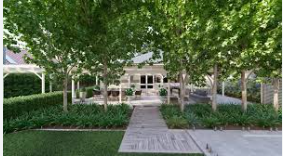
Sustainable landscaping is more than a passing trend—it’s a movement toward environmentally friendly yard designs that offer long-term benefits to homeowners and local ecosystems. Today’s homeowners are seeking practical solutions that not only enhance curb appeal but also conserve resources and support local wildlife. For those seeking expert guidance, services such as landscaping Keller TX can help turn eco-smart visions into reality with tailored recommendations tailored to the local climate.
Sustainable landscaping emphasizes harmonious interactions with nature through the selection of appropriate plants, innovative hardscaping, and effective watering systems to reduce maintenance and utility costs. By integrating local flora, water-wise features, and natural materials, property owners can enhance yard resilience while benefiting the community by supporting pollinators and fostering biodiversity. With rising municipal water restrictions and changing climate patterns, elements such as drought-tolerant landscapes, permeable pavers, and edible gardens are becoming increasingly popular, demonstrating environmental sense and cost efficiency. This shift encourages homeowners to rethink their landscapes by combining beauty, utility, and responsibility.
Native Plantings
Native plants are the cornerstone of sustainable landscaping. These species are inherently adapted to the local soil, rainfall, and weather patterns, eliminating the need for excess irrigation and chemical fertilizers. Native gardens attract pollinators, such as bees and butterflies, contributing to thriving urban wildlife. For instance, many regions across the U.S.—including the Pacific Northwest—now encourage property owners to replace traditional lawns with low-maintenance, native alternatives, benefiting both residents and biodiversity.
Drought-Tolerant Landscapes
With water scarcity increasingly on people’s minds, drought-tolerant landscaping or xeriscaping is being adopted by homeowners across the country. By selecting plants such as succulents, ornamental grasses, and native perennials, yards are transformed into vibrant spaces that demand minimal irrigation. These systems help conserve precious resources and thrive in hot, dry conditions, making them ideal for regions with limited water supplies. Innovative cities in states like California and Texas have set a strong precedent, with many homes now featuring resilient, water-wise gardens.
Permeable Hardscaping
Conventional hardscape features, such as concrete, can cause water runoff, increase flood risks, and exacerbate heat in urban environments. Permeable hardscaping—utilizing materials such as gravel, permeable pavers, or porous stones—allows rainwater to seep naturally into the earth. This simple shift reduces erosion, refills underground aquifers, and helps sustainably manage stormwater. Additionally, permeable materials often blend seamlessly with their natural surroundings, resulting in a softer and more aesthetically pleasing finish.
Wildflower Meadows
Swapping manicured lawns for wildflower meadows is transforming residential landscapes into colorful, low-maintenance ecosystems. These meadows feed pollinators and beneficial insects while requiring less mowing, irrigation, and fertilizers. The concept combines natural beauty with an eco-friendly twist and has been proven to reduce upkeep costs over time. This trend is gaining traction in suburban and rural areas alike, helping communities reconnect with their local flora and fauna.
Eco-Friendly Materials
Sustainable design extends beyond plants to the hard materials used in yards. Recycled and reclaimed elements—such as composite decking, upcycled pavers, or salvaged wood—offer durability and style with a minimum environmental footprint. These choices not only keep materials out of landfills but also celebrate unique, rustic aesthetics. The right eco-friendly features help build a sense of place while supporting broader environmental goals.
Biophilic Design
Biophilic design aims to reconnect people with the natural world by incorporating organic forms, natural light, and local materials into outdoor spaces. For homeowners, biophilic landscaping means prioritizing sensory experiences and lush greenery to boost wellbeing. These tranquil spaces reduce stress, support mindfulness, and create inviting gardens for relaxation or small gatherings. Designers are seeing an increased demand for pollinator pathways, shaded seating areas, natural water features, and sensory plantings—all geared toward holistic benefits.
Smart Irrigation Systems
Smart irrigation is revolutionizing lawn and garden care for efficiency and conservation. Modern watering systems, equipped with sensors and controllers, automatically adjust to current weather, rainfall, and soil moisture conditions, preventing overwatering and reducing waste. Homeowners save money while keeping landscapes healthy—especially in areas where water rates are climbing, or restrictions are in place. The Environmental Protection Agency offers comprehensive resources on smart irrigation for those ready to make the switch.
Edible Gardens
Adding fruits, vegetables, and herbs to yards weaves self-sufficiency and nutrition into everyday living. Edible landscapes blend the utility of a kitchen garden with the polish of ornamental beds, creating a unified and productive yard. This practice reduces reliance on store-bought produce, cuts food miles, and fosters a deeper connection between food and its place of origin. Plus, edible gardens can inspire the whole family to participate in sustainable living by growing and enjoying backyard harvests.
Homeowners who adopt eco-friendly landscaping methods create modern yards that are both ecologically responsible and visually appealing, making them practical and beautiful. Through strategic plant choices, mindful materials, and innovative technologies, these spaces set the standard for future-forward outdoor living.
Wrap-Up
Sustainable landscaping is ultimately about creating outdoor environments that work in harmony with nature, rather than against it, offering long-lasting beauty with a significantly lower environmental impact. By incorporating native plants, water-smart designs, eco-friendly materials, and innovative irrigation solutions, homeowners can cultivate landscapes that remain resilient and resource-efficient throughout the year. These thoughtful choices not only support local ecosystems but also reduce maintenance demands and long-term costs, making sustainability both practical and rewarding. As more communities embrace greener practices, sustainable landscaping continues to emerge as a meaningful way to promote environmental stewardship while enhancing the overall value and enjoyment of any property.
Read also: techinfobusiness.com