Introduction to Ceramic Coatings and Oil-Based Paints
When it comes to protecting surfaces, two champions often emerge in the spotlight: ceramic coatings and oil-based paints. Both offer unique benefits, but they cater to different needs and preferences. Have you ever wondered what goes on behind the scenes of these popular substances? The chemistry is fascinating! Understanding their molecular makeup can help you make informed choices for your projects.
Chemical Composition of Ceramic Coatings and Oil-Based Paints
Ceramic coatings and oil-based paints have distinct chemical makeups that define their properties. The performance of any ceramic coating chemical composition material depends on the blend of oxides and additives used to enhance hardness, heat resistance, and durability.
- Ingredients used in ceramic coatings
Ceramic coatings are a fascinating blend of advanced materials designed for superior protection. At their core, these products often feature silicon dioxide (SiO2), which forms a hard layer when cured. This ingredient is crucial for creating that glass-like finish.
Another critical component is titanium dioxide (TiO2). It enhances durability and adds an extra level of chemical resistance, making surfaces less prone to damage from environmental factors. Polymers also play a significant role in ceramic formulations. They help bind the ingredients together while providing flexibility and adhesion to various substrates.
- Ingredients used in oil-based paints
Oil-based paints are crafted from a blend of key ingredients that contribute to their unique characteristics. The primary component is a drying oil, often linseed oil or safflower oil. These oils provide the necessary adhesion and create a durable finish as they dry.
Pigments play a crucial role in giving colour and opacity to the paint. They come from various sources—both natural and synthetic—ensuring a wide palette for artists and homeowners alike. Fillers such as talc or calcium carbonate add body to the paint, enhancing texture while improving coverage on surfaces. Solvents like mineral spirits help achieve the right viscosity, making it easier to apply smoothly.
Additives also feature prominently in formulations. These can improve flow properties, prevent mildew growth, or enhance glossiness once dried. Each ingredient works together harmoniously to deliver performance that stands out against water-based alternatives.
Differences between Ceramic Coatings and Oil-Based Paints;
Ceramic coatings and oil-based paints serve different purposes, each with its own unique attributes. The application method is a primary distinction. Ceramic coatings are typically applied in a multi-step process that involves thorough surface preparation, while oil-based paints can be rolled or brushed on more straightforwardly.
Method of application:
The method of application plays a crucial role in how ceramic coatings and oil-based paints perform. Ceramic coatings are typically applied using advanced techniques such as spraying or brushing. This process often requires meticulous preparation, including surface cleaning and possibly priming to ensure proper adhesion.
On the other hand, oil-based paints offer a bit more flexibility. They can be rolled on, brushed, or sprayed depending on the desired finish and surface area. The technique chosen can significantly impact the final look and durability. While both methods require skill, ceramic coating applications tend to demand specialised training for optimal results due to their unique chemical properties. A thorough understanding of curing times and layering is essential here.
Durability and longevity:
Durability is a key factor when comparing ceramic coatings and oil-based paints. Ceramic coatings are engineered for strength. They form a hard, protective layer that can withstand harsh conditions. Oil-based paints, while robust, offer different properties. Their finish can be affected by exposure over time. This makes them less resilient in extreme environments compared to ceramics.
Ceramic coatings resist scratches and chips effectively. This means surfaces maintain their aesthetic appeal longer. In contrast, oil-based paints may require more frequent touch-ups due to wear and tear. Choosing between these two depends on your specific needs, but understanding durability helps make an informed decision about surface protection.
Environmental impact:
The environmental impact of ceramic coatings and oil-based paints is an important consideration for consumers. Ceramic coatings typically contain fewer volatile organic compounds (VOCs) compared to traditional paint products. This makes them a more eco-friendly option, as lower VOC levels contribute less to air pollution.
On the other hand, many oil-based paints are notorious for their high VOC content. These chemicals can release harmful pollutants into the atmosphere during application and drying. As regulations tighten around emissions, manufacturers are actively seeking greener alternatives without compromising performance. Ceramic coatings often offer longer-lasting protection than oil-based options, reducing the need for frequent reapplications. This longevity not only minimises waste but also decreases the likelihood of hazardous runoff into water systems when surfaces are cleaned or maintained.
Benefits of Using Ceramic Coatings and Oil-Based Paints
Ceramic coatings and oil-based paints offer remarkable advantages that elevate surface protection. Knowing the different oil based paint types can help you choose the right finish and durability for your painting project.
- One key benefit is heat resistance. Ceramic coatings can withstand high temperatures without degrading, making them ideal for automotive and industrial applications. This ensures the longevity of surfaces even in extreme conditions.
- Chemical resistance is another strong point. Both ceramic coatings and oil-based paints repel corrosive substances, safeguarding underlying materials from damage caused by harsh chemicals or spills.
- UV protection plays a crucial role as well. These products shield surfaces from harmful ultraviolet rays that can lead to fading and deterioration over time. Whether on vehicles or exterior walls, this added layer keeps colours vibrant longer.
- Together, these benefits make ceramic coatings and oil-based paints an excellent choice for anyone looking to enhance durability while maintaining aesthetic appeal across various applications.
Applications of Ceramic Coatings and Oil-Based Paints
Ceramic coatings and oil-based paints are essential in various industries, showcasing their versatility.
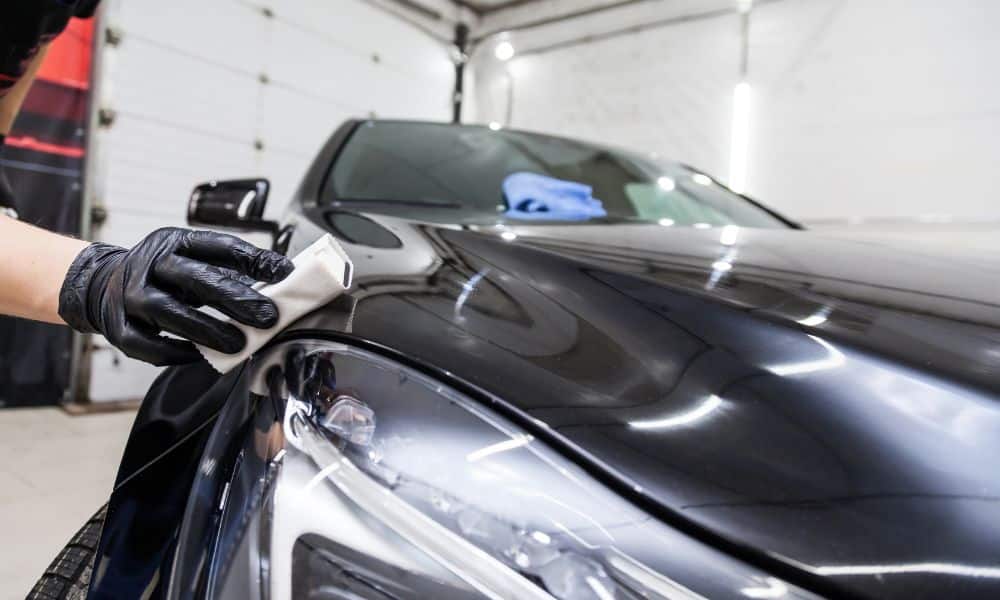
- Automotive industry: The automotive industry has embraced ceramic coatings and oil-based paints to enhance vehicle aesthetics and performance. Ceramic coatings provide a glossy finish while offering exceptional protection against contaminants like dirt, grime, and bird droppings. These advanced coatings bond at the molecular level with the paint surface, creating a durable shield that resists scratches. Car enthusiasts love the long-lasting shine it imparts.
- Aerospace industry: The aerospace industry is a demanding sector where every component must withstand extreme conditions. Ceramic coatings play a crucial role in enhancing the performance of aircraft components. They are engineered to resist high temperatures and reduce friction, critical for engines and turbine blades. Oil-based paints also find their place here, primarily for aesthetic purposes. These paints help protect surfaces from corrosion while providing vibrant colours that endure harsh flight environments.
- Household applications: Ceramic coatings and oil-based paints have found their way into many household applications, proving that they’re not just for vehicles or industrial use. These coatings can enhance the durability of kitchen countertops and bathroom tiles, providing a sleek finish that resists stains and scratches. In living spaces, applying oil-based paint to woodwork adds an elegant touch while offering protection from wear and tear. This is particularly useful in high-traffic areas where surfaces are prone to scuffs.
DIY vs Professional Application – Which Is Better?
When it comes to applying ceramic coatings or oil-based paints, the choice between DIY and professional services can be daunting. DIY applications offer flexibility and cost savings. With the right tools and techniques, many homeowners tackle smaller projects successfully. There’s a certain satisfaction in achieving a polished finish on your own.
On the other hand, professionals bring expertise that often results in superior outcomes. They understand material properties, application methods, and environmental conditions that impact adhesion and durability. This knowledge reduces the risks of errors that could compromise your project. Consider the scope of your task too. Larger areas or complex surfaces may benefit from professional skills for consistent results.
Ultimately, weighing time against quality will help guide your decision. Each option has its merits; knowing what you value most can lead you toward the best approach for your needs.
Alternative Options for Protecting Surfaces
When it comes to surface protection, several alternatives can complement or replace ceramic coatings and oil-based paints. One popular choice is polyurethane coatings. These are known for their strong durability and resistance to scratches, making them ideal for high-traffic areas.
Another option is epoxy resin. This thick coating forms a robust shield against chemicals and moisture, perfect for industrial settings. It cures into a hard finish that stands up well under pressure. For more natural solutions, consider beeswax or linseed oil treatments. These eco-friendly options provide moisture resistance while enhancing the wood’s natural beauty.
Self-healing polymers also present an innovative approach. They can automatically repair minor scratches and scuffs over time, ensuring surfaces look pristine with minimal maintenance. Each of these alternatives brings unique benefits tailored to specific needs and applications in various environments.
Conclusion;
Ceramic coatings and oil-based paints both offer unique advantages, tailored to different needs and applications. Understanding the chemistry behind these products allows consumers to make informed choices based on their specific requirements.
Ceramic coatings excel in durability, heat resistance, and chemical protection, making them ideal for automotive and aerospace sectors. In contrast, oil-based paints provide excellent coverage and aesthetic appeal for household projects while being cost-effective. As industries evolve towards sustainability, exploring alternative options like water-based paints or eco-friendly coatings may become increasingly popular. Each choice has its own benefits that cater to various preferences regarding environmental impact.
Selecting between ceramic coatings and oil-based paints ultimately depends on the intended use. Balancing your needs against performance characteristics will lead you toward a suitable solution that stands the test of time.