Whether you’re renovating your home or updating your kitchen, tile flooring remains a top choice due to its durability and timeless appeal. To maximize the benefits of your investment, it’s essential to adopt proper care techniques from the outset. By following a few key practices, you can maintain the pristine appearance of your tile floors and keep them performing optimally for years. If you’re thinking about refreshing your space, explore kitchen floor tiles in Tulsa, OK for modern designs to stay ahead of the latest trends and installation options.
Routine maintenance not only safeguards the beauty of tile but also reduces the risk of chips, cracks, and unsightly grime. From everyday cleaning habits to seasonal maintenance, understanding what your floors need is the cornerstone of longevity. Investing a small amount of time each week can help you avoid costly repairs and maintain a vibrant home atmosphere. As with any flooring type, addressing issues early is the best way to preserve quality and enjoy a hassle-free floor underfoot.
Beyond daily upkeep, challenges such as grout discoloration and environmental changes can affect tile over time. Taking proactive measures will not only ensure your floor looks spectacular but also save you valuable time and resources as trends and lifestyles evolve. Start building a routine that pairs modern style with long-lasting durability.
Regular Cleaning Routine
Maintaining a consistent cleaning schedule is crucial to preventing long-term damage. Start by sweeping or using a hard-surface vacuum daily to remove loose dirt and abrasive particles that could scratch your tiles. Select a soft-bristled broom for delicate finishes and vacuum attachments specifically designed for tile surfaces. When it’s time to mop, use a damp microfiber mop with a pH-neutral cleaner – harsh detergents or acidic solutions can erode glaze and grout lines over time.
While mopping, be sure to wring excess water from your mop. Excess moisture can seep into grout lines, encouraging mold growth or leaving behind a dull, cloudy residue. To protect especially high-traffic areas, consider spot-cleaning spills as they occur to prevent staining. Even natural stone and porcelain tiles benefit from gentle, regular cleaning and immediate attention to spills.
Protecting Your Tiles from Damage
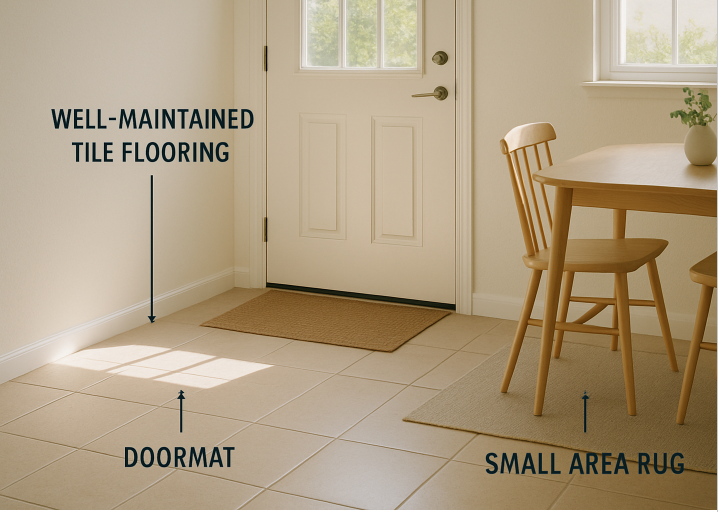
Prevention plays a key role in making your tile floors last. By placing doormats at all entrances, you can significantly cut down on the amount of dirt and grit tracked into your living space – one of the primary causes of surface scratches. Encourage guests and family to wipe their feet or even remove their shoes in mud-prone areas. Layering rugs or runners in high-traffic areas, such as hallways or beneath dining tables, adds a layer of protection and can be easily swapped to refresh the décor.
Moving furniture? Use felt pads or sliders under chairs, tables, and sofas to avoid scuffs and gouges. Avoid dragging heavy furniture across tile flooring, as this can lead to chipping or unsightly cracks. When rearranging, lift furniture wherever possible, or recruit extra hands for heavier items. Routine preventive steps will greatly reduce the likelihood of expensive repairs down the road.
Grout Maintenance
The grout between your tiles deserves just as much attention as the tiles themselves. Grout is porous and easily absorbs spills, which can lead to discoloration and even mildew. For day-to-day cleaning, a mild solution of equal parts vinegar and water works well for most grout types. Spray the solution, wait a few minutes, then gently scrub with a soft brush. For tougher stains, a paste of baking soda and water often does the trick. Always use non-abrasive brushes to prevent scratching the surrounding tiles.
Even with immaculate cleaning, grout is vulnerable to moisture and stains unless properly sealed. Apply a quality grout sealer every year or as recommended by the manufacturer. This extra layer blocks out water, food spills, and dirt, helping maintain the fresh appearance of your tile installation. If grout lines begin to crack or crumble, repair them promptly to protect the tiles and subfloor below.
Prompt Repairs
Ignoring small issues, such as tiny cracks or loose tiles, can quickly escalate into larger, more expensive problems. Make it a habit to inspect your tile flooring regularly, especially in high-use areas. If you notice chipped edges, hollow sounds when tapping a tile, or worn sealant, address these issues as soon as possible. Simple repairs, such as replacing a tile or re-caulking grout lines, are best handled by professionals to preserve the integrity of your flooring and prevent water damage beneath the tiles.
Reacting quickly to minor issues allows you to avoid extended downtime and expensive replacements. Check for warranties or professional local services to help keep your tile floors performing their best.
Seasonal Maintenance
Changing weather affects tile floors by altering humidity and temperature, which can cause issues over time. Deep-clean at least once a season—dust, mop, scrub grout—and check for moisture, loose tiles, or winter haze, especially near entrances. Natural stone may need sealing before seasonal shifts to prevent staining. Set quarterly reminders for inspections and cleanings to catch problems early, keeping your floors attractive and durable. Routine care ensures your tiles remain a beautiful, lasting part of your home, preserving value, comfort, and style.
Final Thoughts
Consistent care and preventive maintenance are essential for keeping tile floors looking their best and lasting for years. By adhering to a regular cleaning routine, protecting surfaces from scratches, maintaining grout, addressing repairs promptly, and performing seasonal deep-cleaning, homeowners can prevent damage and costly replacements. These practices not only preserve the aesthetic appeal of tiles but also maintain their structural integrity and value over time. With mindful attention and timely interventions, tile floors can remain durable, attractive, and functional, providing both comfort and long-term enjoyment in any living space.
Read Also: techinfobusiness.com