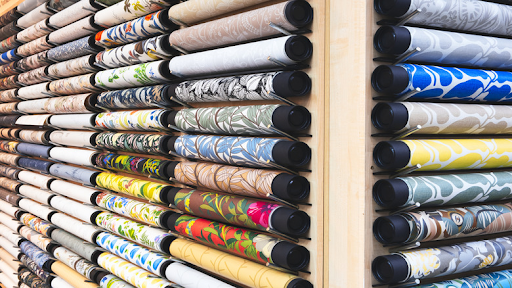
Wallpaper has this magical way of turning a plain room into something personal and alive. One bold pattern or subtle texture, and suddenly the space feels completely different. But with endless choices online—florals, geometrics, textures, peel-and-stick—the process can get confusing fast. The real secret? Starting with a trusted wallpaper shop that actually delivers quality, honest details, and good support. This guide walks you through everything step by step so you end up with wallpaper you love and an installation that lasts.
Why Choosing a Trusted Shop Matters More Than Ever
Plenty of sites promise cheap rolls and fast shipping, but many deliver mismatched colors, wrong batches, or material that peels after a month. A reliable shop stands behind what they sell. They offer real samples, clear specs, and fair returns. Look for places with hundreds of verified reviews across platforms, not just glowing ones on their own page. Physical showrooms or well-known brands usually mean fewer surprises.
These kinds of accent walls show how a good pattern can completely change the vibe of a room.
Step 1: Know Your Room and Lifestyle First
Before clicking “add to cart,” pause and think about the space. High-traffic hallway with kids and dogs? Steamy bathroom? Quiet bedroom? Each spot has different needs.
Damp areas demand moisture-resistant options—vinyl or solid sheet vinyl works best because it wipes clean and doesn’t absorb water. Dry living rooms or bedrooms let you explore more: delicate prints, natural weaves, or dramatic murals.
Also consider light. North-facing rooms stay cooler in tone, while south-facing ones can wash out bright colors. Test everything in your actual lighting.
Understanding the Main Types of Wallpaper
Here’s a straightforward breakdown of what you’ll find most often:
- Vinyl wallpapers — Tough, scrubbable, and perfect for kitchens, baths, or busy families. They stand up to spills and marks. The trade-off? Some cheaper versions feel stiff or give off a faint smell at first.
- Non-woven (paste-the-wall) — Super popular for home projects. You paste the wall instead of the paper, so it hangs straighter, removes cleanly later, and doesn’t shrink much when drying.
- Peel-and-stick — No glue, no mess. Great for renters or quick accent walls. It goes up fast and comes down without wrecking paint. Just know it might not grip textured surfaces forever, and premium versions cost more.
Seeing peel-and-stick in action makes the DIY part look way less intimidating.
- Natural and textured options (grasscloth, sisal, bamboo) — They bring warmth and depth that paint can’t match. Ideal for adding sophistication. Installation takes care though—seams show more, and they’re harder to clean.
This cozy dining setup with grasscloth feels organic and elegant at the same time.
- Specialty or fabric-backed — Luxurious and unique, but usually need professional help and gentle care.
Decide how long you want it to last. Five years? Go affordable and trendy. Fifteen-plus? Invest in quality.
How to Spot a Truly Reliable Wallpaper Shop
Skip shops with no return policy, no samples, or prices too good to be true. Good ones:
- Send physical samples (often free or low-cost)
- List batch/dye-lot info clearly
- Explain pattern repeat, roll width (usually 20–27 inches), and drop match
- Answer questions about origin, installation, and washability
- Have realistic delivery times, especially for imported or custom designs
Read recent reviews for patterns like “color accurate” or “easy to hang.” Avoid anything mentioning “faded on arrival” or “seams didn’t match.”
Order Samples and Live With Them
This is non-negotiable. Order swatches and tape them up. Watch them in morning sun, evening light, under lamps. Patterns look different up close versus across the room. A tiny floral might feel busy when repeated floor-to-ceiling.
Close-ups like these help you feel the texture and see how colors shift.
Measure Carefully—Twice
Bad measurements ruin projects. Measure wall height (baseboard to ceiling) and total width. Factor in pattern repeat—larger repeats waste more. Add 10–15% extra for mistakes and matching. Use the shop’s calculator, but verify it yourself.
Ask: “What’s the exact repeat size?” and “Are all rolls from the same batch?”
Key Questions to Ask Before Buying
- How does the pattern repeat affect waste?
- Return policy for opened rolls?
- Washability rating (scrubbable? Extra scrubbable?)
- Recommended adhesive if not peel-and-stick?
- Pro installers in my area?
- Shipping protection for rolls?
Installation: DIY or Hire Help?
Peel-and-stick suits beginners—clean walls, smooth surface, take your time. Traditional paper benefits from pros, especially with matching large patterns or high walls. A bad hang shows bubbles, gaps, or curling edges forever.
Wrapping It Up: Enjoy the Transformation
Wallpaper isn’t just decoration—it’s mood, personality, depth. When you buy from a shop you trust, you avoid headaches and get a result that feels right. Take time with samples, measure properly, choose what speaks to you. In the end, those walls will greet you every day, looking exactly how you pictured.
Read Also: techinfobusiness.com