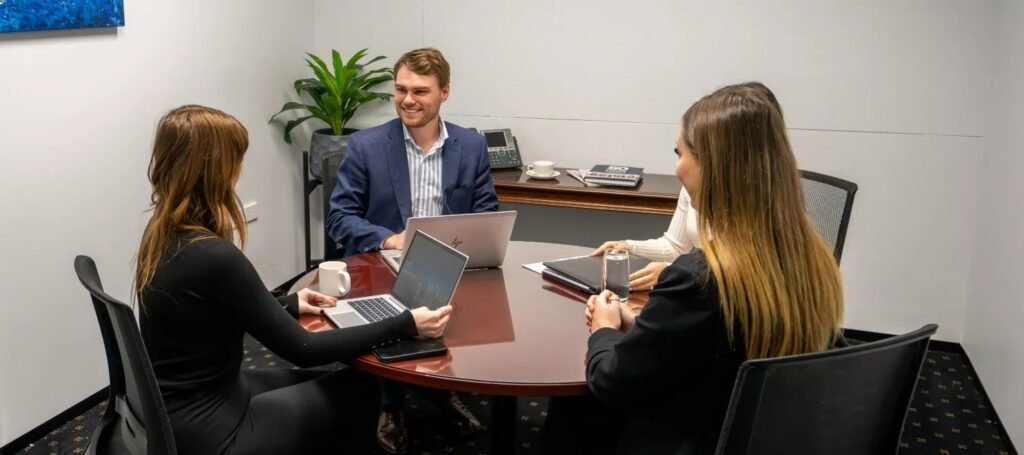
Meetings often decide the direction of a company. A single presentation can secure funding, win a client, or shape a new strategy. Across Australia, businesses are placing greater importance on where those conversations happen. Yet many teams still hold important discussions in small internal rooms that were never designed for high-level conversations. The space where you meet affects how people listen, speak, and make decisions.
This article explains why companies are choosing professional conference spaces over standard in-office rooms, and how those spaces can improve teamwork, client perception, and overall performance.
Why Professional Conference Rooms Offer More Value Than In-Office Spaces
An internal meeting room may seem convenient, but convenience does not always lead to better outcomes. When you step into a professional conference setting, the difference becomes clear.
First Impressions Matter in Business Meetings
The environment sets the tone before anyone speaks. When clients or partners walk into a well-designed conference space, they immediately sense professionalism. Clean interiors, comfortable seating, and organized layouts create a positive mood.
In contrast, an in-house meeting room can feel cramped or overly casual. Office noise might filter through the walls. Staff members could interrupt. These small issues affect the overall experience.
Booking a conference room in Sydney sends a stronger message than hosting important discussions in a crowded internal office space. It shows that you value the meeting and the people attending it. That subtle message can influence how negotiations unfold and how confident others feel about working with you.
A professional setting also helps your team feel more prepared. When the space looks polished, you are more likely to present yourself with clarity and confidence.
Advanced Technology Supports Better Communication
Technology plays a large role in modern meetings. Many discussions now include remote participants, presentations, or video calls. Professional conference rooms are built with this in mind.
You often get high-quality audio-visual systems, large display screens, and reliable internet. Video conferencing tools are already set up. This removes the stress of connecting cables or adjusting equipment at the last minute.
In an internal office room, technical issues can quickly disrupt the flow. Slow internet or outdated screens waste time and lower energy in the room. When your focus shifts to fixing technical problems, the purpose of the meeting gets delayed.
Professional spaces usually include on-site IT support. If something stops working, help is available right away. This keeps the session moving smoothly and allows you to stay focused on the discussion.
Neutral Ground Encourages Focused Discussions
Meeting in your usual office environment often brings distractions. Colleagues may walk in to ask quick questions. Phones ring. Emails pop up on screens. It becomes harder to stay fully present.
A professional conference space creates a neutral setting. You step away from your regular desks and daily tasks. This shift helps you concentrate on the purpose of the meeting.
Clients may also feel more comfortable in a neutral location. They are not entering your private workspace, where interruptions are common. Instead, they join you in a shared professional setting that feels balanced.
This separation from daily routines helps conversations stay structured. Discussions become more thoughtful. Teams are less likely to rush through agendas because of outside pressures.
Flexible Booking Options for Different Team Needs
Not every meeting requires the same setup. Sometimes you need a small boardroom for five people. Other times, you might host a training session for twenty attendees.
Professional conference spaces offer flexibility. You can book rooms by the hour or for a full day. Larger event spaces are available for workshops and presentations. Smaller rooms work well for interviews or strategy talks.
Maintaining a large in-house meeting room that sits unused most of the time can be expensive. Paying for space only when you need it makes financial sense. It also gives you access to better facilities than a standard internal room.
As your team grows or your meeting needs change, you adjust your bookings. You are not tied to one fixed setup. This adaptability supports companies that are expanding or working with different project sizes.
Enhanced Privacy and Confidentiality
Certain meetings involve sensitive topics. Legal discussions, investor negotiations, and human resource matters require discretion.
Professional conference rooms often provide soundproofing and secure access systems. Private breakout rooms allow smaller groups to discuss details separately. Controlled entry reduces the chance of interruptions.
In a typical office, privacy can be harder to maintain. Thin walls or shared spaces may limit confidentiality. People walking past the room may overhear parts of the conversation.
When participants feel confident that discussions remain private, they speak more openly. Honest communication leads to better outcomes.
Security features in professional spaces add another layer of trust, especially when external partners are involved.
Professional Support Services Add Convenience
Organizing a meeting involves more than just booking a room. Reception staff may need to guide guests. Catering might be required. Equipment must be ready before the session begins.
Professional conference venues often include front-desk support. Visitors are greeted and directed properly. This creates a smooth arrival experience.
Catering services can provide refreshments, saving you the effort of arranging food separately. Administrative assistance may also be available for printing materials or handling last-minute adjustments.
In an internal office, these responsibilities fall on your team. Employees might spend time setting up chairs or managing logistics instead of preparing for the discussion itself.
Having support staff reduces pressure. You can concentrate on content rather than coordination.
Stronger Team Collaboration and Engagement
The design of a conference room affects how people interact. Spacious layouts encourage open discussion. Comfortable seating keeps participants engaged for longer periods.
Whiteboards, presentation screens, and flexible seating arrangements support brainstorming sessions. Breakout areas allow smaller groups to work on specific tasks before returning to the main discussion.
Internal office rooms are often limited in layout. Tables may be fixed, and space might be tight. These restrictions can reduce creativity and participation.
Conclusion
Professional meeting spaces offer more than convenience. They shape how conversations unfold and how your company is viewed. From advanced technology to privacy and flexible layouts, these environments support stronger collaboration and clearer communication.
Choosing the right conference room in Sydney can influence how your team performs and how partners respond to your proposals. As hybrid work continues to evolve, dedicated conference spaces will remain valuable tools for teams that want structured, focused, and professional discussions.