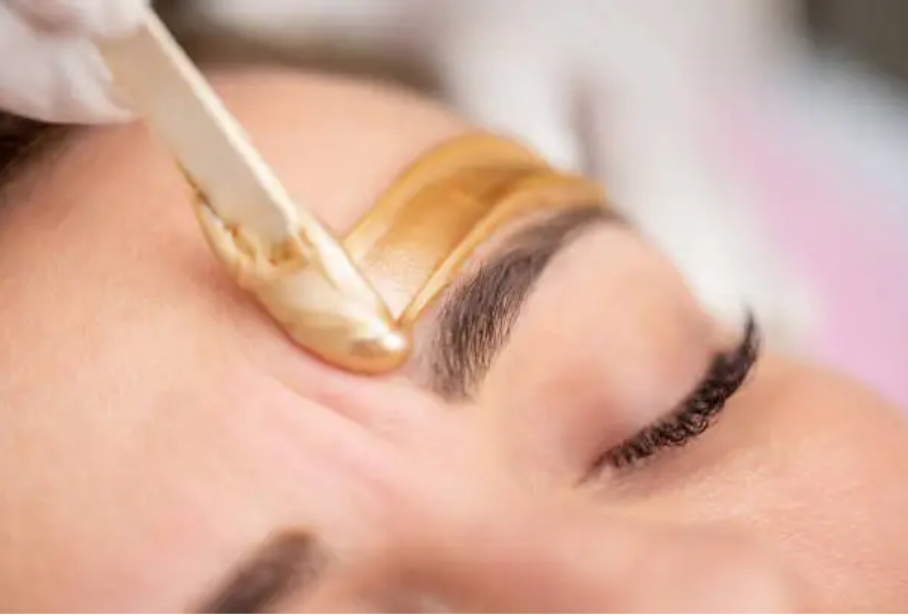
Waxing has become a go-to hair removal method for many individuals seeking smooth, hair-free skin. Whether it is a bikini wax before a beach vacation or a full body wax for long-term maintenance, waxing offers a clean and polished appearance that lasts longer than shaving. However, what most people overlook is how waxing affects the skin over time. Understanding its impact can help you make informed decisions about your skincare routine and long-term skin health.
Initial effects: What to expect after waxing
After your first full body wax or bikini wax, it is normal to experience slight redness, sensitivity, or minor bumps. These are temporary and usually subside within a few hours to a day. As the wax removes hair from the root, it also exfoliates the top layer of dead skin cells, leaving the skin looking fresh and smooth.
While this exfoliating effect can be beneficial, individuals with sensitive skin might notice irritation or a tingling sensation. Using a soothing, fragrance-free moisturizer and avoiding sun exposure immediately after waxing can minimize any discomfort and protect the skin’s barrier.
Long-term benefits of waxing for skin health
When done consistently, waxing can lead to several positive outcomes for your skin:
1. Smoother texture
Over time, regular full body wax sessions lead to finer, sparser hair growth. This means less friction against the skin and a smoother overall texture. Many clients notice that their skin feels silkier and softer even between appointments.
2. Improved exfoliation
Repeated bikini wax treatments and full-body sessions help in gently exfoliating the skin. This promotes cell turnover, unclogs pores, and helps in reducing ingrown hairs. As long as proper aftercare is followed, waxing contributes to a more even skin tone and clearer complexion.
3. Reduced hyperpigmentation
Shaving and other hair removal methods often lead to dark spots, especially in sensitive areas. Waxing eliminates this issue by minimizing friction and preventing repeated trauma to the skin. Clients who opt for regular bikini wax treatments often report a noticeable reduction in pigmentation and irritation over time.
Potential drawbacks and how to manage them
While the long-term advantages are impressive, there are also considerations to keep in mind:
1. Skin sensitivity
Repeated full body wax procedures may lead to increased sensitivity in some areas. To mitigate this, it is essential to allow adequate time between waxing sessions and to avoid over-exfoliating the skin. Hydration and barrier repair products play a key role in maintaining skin resilience.
2. Risk of ingrown hairs
Although waxing helps reduce the frequency of ingrown hairs, they can still occur if aftercare is neglected. Gently exfoliating the skin 2 to 3 times a week and wearing loose-fitting clothing post-bikini wax can help prevent this issue.
Maintaining healthy skin between waxing sessions
To maximize the benefits of your waxing routine and ensure long-term skin health, consider the following tips:
- Moisturize daily with a non-comedogenic, fragrance-free lotion.
- Avoid hot showers or steam rooms for at least 24 hours post-full body wax.
- Use a gentle exfoliant two to three times per week.
- Stay hydrated and follow a balanced diet to support skin from the inside out.
Waxing is more than just a hair removal method—it can be a part of a healthy skincare regimen. With regular treatments such as a bikini wax or a full body wax, clients often enjoy smoother, more precise, and more radiant skin. By understanding how waxing impacts skin health over time and practicing proper aftercare, you can maintain a glowing complexion while avoiding common side effects. So, if you are ready to invest in long-term skin wellness, waxing may be the ideal solution.
Conclusion
Waxing can have both positive and negative impacts on skin health over time. Regular waxing helps in achieving smoother skin by removing dead cells and hair from the root, which may lead to finer regrowth. However, it can also cause irritation, redness, ingrown hairs, or even skin sensitivity, especially for those with delicate skin. Long-term effects largely depend on skin type, waxing technique, and post-care routine. Using soothing products like aloe vera or moisturizers after waxing and avoiding sun exposure can help maintain healthy skin. Ultimately, when done correctly and hygienically, waxing remains a popular and effective method of hair removal with manageable effects on skin health over time.