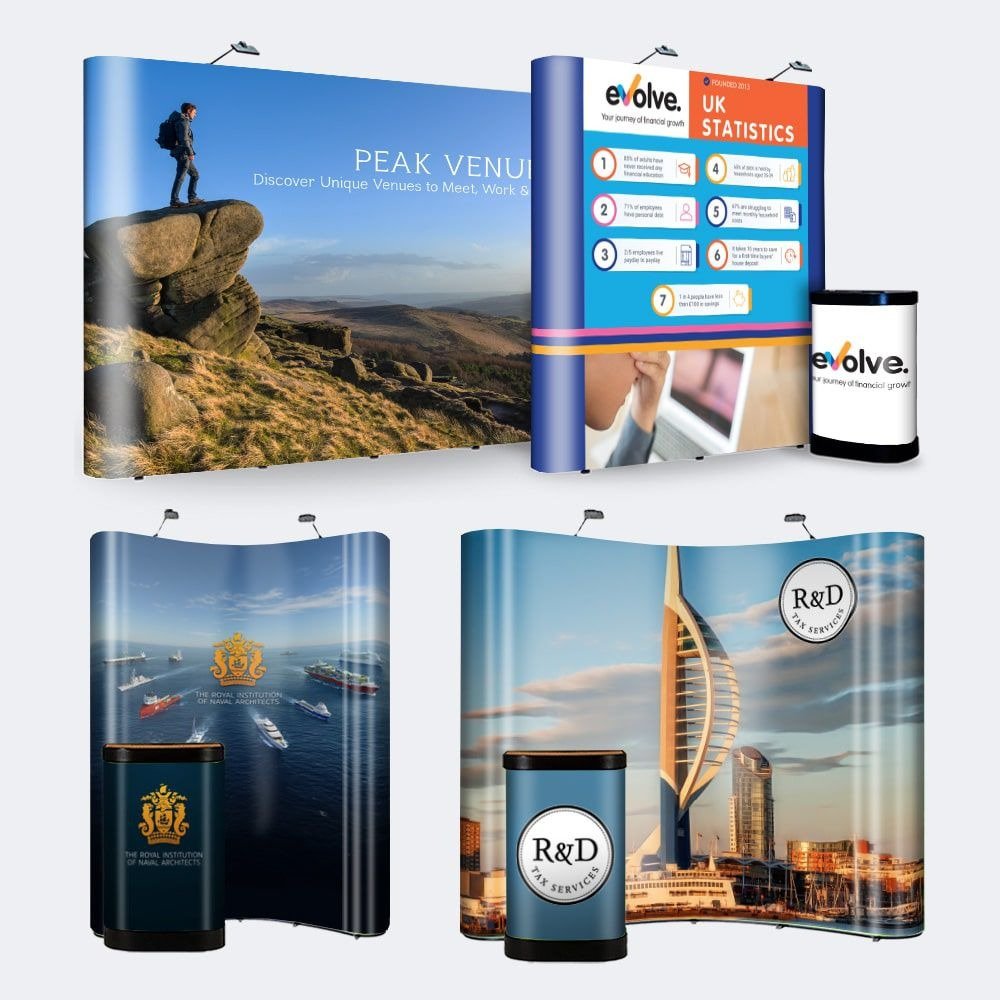
In today’s breakneck pace of the marketing world, brands and creators are looking for new ways to grab attention. Conventional trade shows and exhibitions are still productive, but generally, they are expensive, long-term commitments that require a lot of planning. This is where the notion of pop up exhibition has become popular. Temporary, flexible and extremely eye-catching! Pop up exhibition space can be utilized for businesses to display products or services, sell products, as well as showcase creative work in different locations for short periods.
Pop up exhibitions, in 2026, they’re not just marketing events, they are immersive dives. Whether retail brands are launching new collections or artists are staging in unconventional settings, this medium allows for instant interaction and feedback. As a small business owner, event planner, or entrepreneur, knowing how pop up show work can help you build brand experiences that leave a lasting impact and increase awareness, engagement, and sales.
What Is a Pop Up Exhibition?
A pop up exhibit is a temporary installation or event that appears in a temporary space, and tends to exist mainly to further products, services, art, or just about any other ideas. Pop up exhibitions differ from permanent galleries and long-term trade fairs in that they are usually short-term events, typically days to weeks in duration. Typically held in high-foot-traffic locations like malls, empty retail spaces, community centers and outdoor lots. The ultimate aim of the pop up exhibition is to generate interest and the feeling that something has to be done now.
Key Benefits of a Pop Up Exhibition
One of the greatest benefits of a pop-up exhibition is that it’s cost-effective. Pop ups are relatively low in capital expenditure terms compared to conventional exhibitions with regard to venue, infrastructure and employees on the ground for a sustained period. This makes them affordable for the small to medium-sized company. Speaking of which, pop up exhibitions offer brands an opportunity to test run creative themes and interactive decor/mascots that could be potentially high risk.
A second major advantage is direct customer interaction. Customers can see, touch and feel the product live and that helps to develop a trust factor which aids in strengthening the brand relationship. Now in 2026, that seems to be what pop up exhibitions are all about: creating a buzz on social media and offline by user-generated content.
How to Plan a Successful Pop Up Exhibition
The secret recipe for organizing a successful pop up exhibition is mainly setting clear objectives. Are you selling a product, creating brand awareness or piloting in a new market? Clear goals will inform the location, design, and marketing of your business. Picking the perfect spot is crucial. Areas of high foot traffic can really increase our visibility and response.
Step two: design and experience. A captivating design, potent branding and interaction can make a lasting impression. Marketing is an important part too. Market your event through the use of social media, email blasts and local collaborations.
Pop Up Exhibition vs Traditional Exhibition
Although both types are designed to present products or concepts, there is a big difference between pop up and traditional exhibitions. Conventional trade shows tend to be large-scale affairs that are staged in convention centers and involve long-term planning and substantial expense. They are usually made up of several exhibitors, who get an industry-related audience for the events.
In contrast, a pop up exhibition is smaller, more flexible, and often more creative. It allows brands to choose unconventional spaces and experiment with themes. Pop ups focus heavily on experience and personalization rather than scale. Because they are temporary, they also create urgency, which can drive higher immediate engagement. For beginners in 2026, pop up exhibitions offer a practical and lower-risk entry into event-based marketing.
Essential Elements of a Great Pop Up Exhibition
- Clear goal and target audience
- Strategic high-traffic location
- Attractive and interactive design
- Strong branding and messaging
- Effective pre-event and on-site promotion
- Limited-time offers to create urgency
Conclusion
The pop-up exhibition is an effective, versatile marketing method that is only increasing in popularity heading into 2026. Each brand is able to engage its audience in a temporary and creative space without the cost associated with traditional shows. Whether that urgency is around a product launch or an artistic showcase, this format enables the event to garner excitement and attract attendees.
With some great planning, powerful branding, and effective promotion, a pop-up exhibition can significantly improve visibility and customer engagement. Whether you are a new start-up or an established brand, it’s one of the most cost-effective and high-signal ways to separate yourself from your competition.