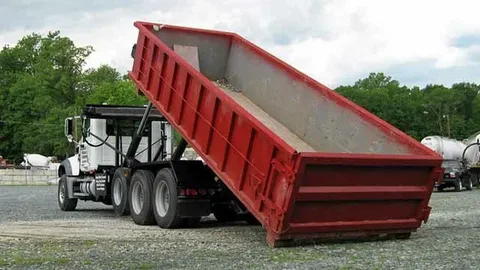
Whereas the application of roll-off dumpsters in waste hauling, precise estimation of the weights of loads would be the most significant process for safety, efficiency, and cost-effectiveness. Overloading will create various issues—structural damage, costly overweight fines, road hazards, as well as transit liability. Underestimation, however, may result in over-renting unwanted dumpsters.
Here at Refuse Fab, we should know a thing or two about getting it just right. We’ve constructed tough roll-off dumpsters to transport any type of material, from building debris to commercial cleanouts. But there is always one variable: knowing your weight load in advance makes a monumental difference in safety and economics.
Two of the most frequent but difficult materials to estimate by weight are shingles and cardboard. Both are commonly dumped into roll-off dumpsters, yet both can vary wildly in weight based on type, condition, and amount. We will take you step by step through estimating both throughout this article and give you best practices so you can steer clear of expensive errors.
Estimating the Weight of Shingles
Shingles—particularly asphalt roof shingles—are one of the heavier and more abundant materials loaded into roll-off boxes during tear-offs. Shingles are quite unlike such light-weight materials as wood debris or drywall in that they gain weight rapidly. That’s part of the reason that estimating correctly is essential before starting to load.
Types of Shingles and Their Average Weights
3-Tab Asphalt Shingles
Weight Range: 135 to 180 pounds per square
A “square” in roofing is equivalent to 100 square feet of coverage.
Lighter and slimmer than architectural shingles.
Architectural Asphalt Shingles
Weight Range: 180 to 240 pounds per square
Heavier, thicker, and longer lasting than 3-tab shingles.
A common sight on new homes and commercial structures.
Other Roofing Materials
- Clay Tiles: Very heavy, sometimes greater than 800–1,000 lbs per square.
- Wood Shakes: Lighter than asphalt but with tremendous variation based on moisture content.
- Metal Sheets: Typically lighter, but their surface area causes stacking and handling problems to be distinctive.
Key Factors to Consider
- Shingle Type: Always confirm whether you’re removing 3-tab or architectural shingles.
- Roof Size: Calculate the total square footage of the roof to determine the number of squares.
- Moisture Levels: Wet shingles weigh significantly more.
- Manufacturer Specs: When possible, check the manufacturer’s product data for the most precise weight.
Example Calculation:
If you’re tearing off 20 squares of architectural shingles, the load could weigh between 3,600 and 4,800 pounds. That’s enough to nearly max out the capacity of a standard 10-yard roll-off container, which typically holds between 4,000–6,000 pounds.
Estimating the Weight of Cardboard
Though cardboard is lighter than shingles, miscalculating cardboard weight remains a problem. In retail store relocation, warehouse removals, or commercial clean-outs, thousands of pounds of cardboard can be accumulated into stockpiles.
Factors That Affect Cardboard Weight
- Wall Thickness
- Single-Wall Boxes: Lightest weight, usually reserved for small packages.
- Double-Wall Boxes: Heavier and stronger, used in retail and shipping.
- Triple-Wall Boxes: Heavier-duty and much heavier by the box.
Box Size & Quantity
- Fewer large boxes weigh less than many smaller boxes stacked up.
- Moisture Content
- Cardboard can easily be doubled by rain or spills. Always factor in storage conditions.
Average Cardboard Weights
- Small Box (16″ x 12″ x 12″): ~1.5–2 pounds
- Medium Box (18″ x 18″ x 16″): ~3–4 pounds
- Large Box (24″ x 18″ x 24″): ~5–7 pounds
Estimation Tips
- Sample and Scale: Measure one box and multiply by the quantity.
- Sort by Wall Type: Segregate single-, double-, and triple-wall boxes to facilitate more accurate calculations.
- Use Volume: Calculate total cubic space and refer to typical cardboard density ranges.
Example Calculation:
Suppose you have 150 big boxes each weighing an average of 6 pounds, the total would be 900 pounds. Although less than roofing material, it adds up fast when mixed with other trash.
Safe Roll-Off Loading Best Practices
No matter material, best practices are key to safety, productivity, and regulation compliance.
Distribute Weight Evenly
Stack heavier materials like shingles at the bottom evenly distribute weight throughout the container to prevent tipping or becoming unstable.
Under Stay Below
Most 10-yard dumpsters can hold 4,000–6,000 pounds. Always try to be slightly below the upper weight limit rather than exactly at it.
Use Visual Cues
Stay aware of the height and configuration of your load, do not pack the material above the fill line too heavily.
Highlight Safety
Lift safely to prevent injuries. Use gloves, safety glasses, and other protection equipment.
Inspect Local Regulations
Stringent regulations governing dumpster loads are in place in some municipalities. Always consider local regulations to prevent fines.
Why Accurate Weight Estimation Matters
Underestimating or overestimating your load weight can have some very serious repercussions:
- Cost: Overweight fees can be significant, costing your project hundreds of dollars.
- Project Delays: An over-loaded container may need to be partially unloaded before shipping.
- Safety Risks: Over-loaded dumpsters can destroy roads, crush trucks, or lead to accidents on the way.
- Liability Concerns: An over-weight dumpster involved in an accident can mean liability to the property owner or project manager.
Taking a minute or two longer to weigh your load saves you time, money, and unwanted risk.
Final Thoughts
Whether you’re planning a roofing tear-off or managing a large warehouse clean-out, accurately estimating the weight of shingles and cardboard is key to a successful roll-off project. Shingles are dense and heavy, often filling a dumpster’s weight capacity faster than its volume. Cardboard is lighter but can still add up quickly, especially in large-scale disposals.
At Refuse Fab, we have expertise in constructing rugged roll-off containers to safely and efficiently manage these materials. Our material handling and construction expertise places us in the role of being able to advise customers on effective, safe loading methods.
Keep in mind: dumpster success is not size—size equals weight. With intelligent estimating, even loading, and a correctly sized roll-off container from Refuse Fab, you’ll have your project rolling along, sound and secure, and within budget.