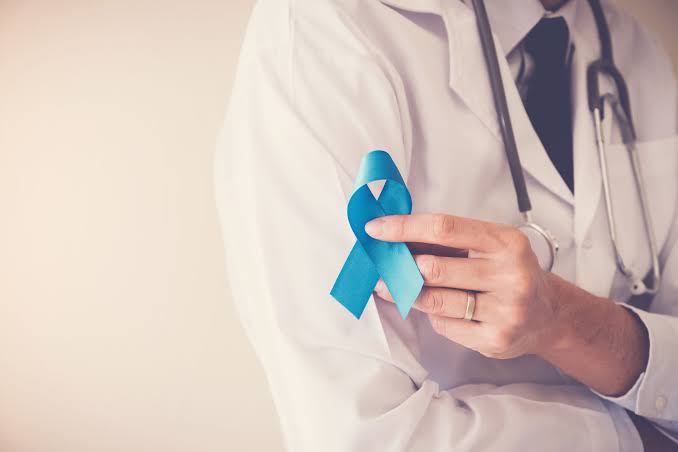
Cancer changes life in a moment. The diagnosis often brings shock, fear, and confusion. In those initial days, one question matters the most, who will help me through this battle? The choice of a cancer specialist makes all the difference. This gives clarity between doubt and confidence, between uncertainty and a treatment method. Choosing the right doctor is not just about medical proficiency but it’s also about reliability, comfort, and long-term support.
What Does a Cancer Specialist Do?
A cancer specialist, also known as an oncologist, is much more than a doctor prescribing treatment. Their role extends across every stage of care. They study biopsy outcomes, determine the cancer’s stage, and then decide which treatment to start. Beyond that, they keep track of how the body is responding and manage treatment accordingly.
A cancer specialist never works alone. They lead a team that may include surgeons, radiologists, nurses, and therapists. Every decision is made after considering the patient’s overall health, medical history, and lifestyle. The aim is to give treatment that is safe, effective, and suits the individual.
Types of Oncologists
Cancer is not a normal disease. No single cancer specialist can treat every case. Different cancer specialists handle different aspects of care. Knowing these types helps patients select wisely.
Medical Oncologist
The doctor uses medicines such as chemotherapy, targeted therapy, or hormone therapy. They oversee the entire journey of treatment and generally remain the central figure throughout the procedure.
Surgical Oncologist
When cancer needs to be removed, surgical oncologists step in. They operate to bump off tumors and neighboring tissues. Surgery is often the initial step to both diagnose and treat cancer.
Radiation Oncologist
Some cancer treatments include radiation. Radiation cancer specialists plan and deliver therapy that targets cancer cells while protecting the normal cells. They are key in both cure-focused and pain-reducing measure.
Paediatric Oncologist
Children need special care. Paediatric cancer specialists are trained to handle cancers in young patients. They not only give treatment but also provide emotional support to both children and their families.
Each of these specialists is vital. Cancer care often combines their skills for complete treatment.
Why Choosing the Right Cancer Specialist Matters
Every cancer case is unique. The type, stage, and spread decide the line of treatment. A skilled cancer specialist understands these details and designs a plan that works best. But the importance of the right oncologist goes beyond medicines and machines.
A good specialist explains every step in simple words. They listen, answer questions, and reduce fear. They give hope backed by knowledge, not just words. For many families, this trust becomes the strength to face the journey.
Key reasons why this choice matters:
- Knowledge of specific cancer type: Different cancers need different expertise. The right oncologist ensures precise treatment.
- Access to modern facilities: Specialists in good hospitals can use advanced machines and tools.
- Personal Assistance: Beyond treatment, the doctor becomes a guide and comfort.
Starting treatment with expert care might improve the chances of success and build confidence for the treatment ahead.
Tips to Choose the Right Cancer Specialist
Choosing a cancer specialist is a tough decision. With so many doctors and medical facilites, it’s hard to understand where to start. But a few tips can make the process easier.
Match the doctor to your cancer type
Every cancer specialist cannot treat every type of cancer. Check if the doctor has experience with your particular diagnosis. A lung cancer patient requires a different specialist than someone with breast or some other type of cancer.
Check the hospital and its facilities
Treatment requires several visits for chemotherapy, scans, or surgery. A hospital with good labs, modern machines, and patient centric assistance can treat well.
Notice communication style
A good cancer specialist listens carefully. They give time to questions and explain without rushing. Comfort in conversations is as important as medical skill.
Understand the team
Oncologists do not work alone. They have nurses, surgeons, radiologists, and other professionals by their side. Know the full team, this would give a clearer image of the care system.
Ask about new treatments
Cancer research moves fast. The best doctors stay updated with new therapies and methods. Do not hesitate to ask if they know about the modern techniques available.
These small steps will help you in getting a cancer specialist who is not only qualified but also caring.
The Role of Trust in Cancer Care
Beyond technology and training, trust is the backbone of cancer care. A patient who feels supported responds better to treatment. Families too get strength when they know the doctor is both trained and caring.
Building trust would take time, but it starts with clear conversation, honest answers, and real concern. The right cancer specialist blends science with care. That balance creates the journey less scary and more hopeful.
Conclusion
Cancer, one of the most challenging journeys anyone would ever face. But the path becomes clearer and less scary with the right guidance. A trained cancer specialist in Udaipur, supported by a strong hospital infrastructure, gives patients not only treatment but also hope.
Paras Health at Udaipur is one of the trusted names. It has expert cancer specialist, modern facilities, and a patient-centric approach. From diagnosis to recovery, every step is managed. They make sure the patient is not alone in this tough situation.
Choosing the cancer specialist to treat you might make you feel stressed. It is a decision on which the whole treatment depends. This would change everything, so while choosing, you should consider things. At its core, cancer care is not just about medicine. It is about compassion, trust, and forming the right relationship between a patient and a doctor. These things are important, as then the journey would be full of healing, strength, and a hopeful treatment process.