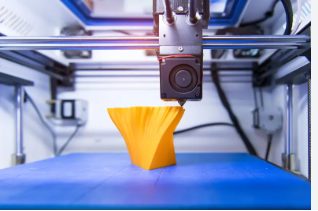
If you have ever watched a digital model materialize into a physical object, you know the magic of 3D printing. However, starting a project often leads to a complex crossroads: deciding between different technologies. Understanding the nuances of FDM vs resin 3D printing is the first step for any enthusiast or professional looking to invest in this field. Each method offers distinct advantages in terms of detail, strength, and material variety, making your specific goals the primary factor in your choice.
Understanding the Core Technologies
Fused Deposition Modeling, commonly known as FDM, is the most accessible entry point. It works by melting thermoplastic filaments and extruding them layer by layer. It is the workhorse of the industry, ideal for functional parts, prototypes, and large-scale objects. On the other hand, resin printing—often using Stereolithography or Digital Light Processing—utilizes a UV light source to cure liquid photopolymer resin into solid layers.
Resin printers are the kings of detail. While FDM might show visible layer lines, resin produces smooth surfaces and intricate geometries that are almost injection-molded in quality. If you are making jewelry, dental models, or highly detailed figurines, resin is your best friend. However, if you need a durable bracket for a shelf or a large housing for an electronic project, FDM remains the superior choice due to its mechanical properties and ease of use.
Exploring the Hardware Options
When looking at the market, the range of available equipment is vast. High-end enthusiasts often look toward precision machines like the Elegoo Saturn 4 Ultra 16K. Priced at approximately AED 2,900.00, this machine pushes the boundaries of resin printing with its 16K resolution, ensuring every microscopic detail is captured. It represents the pinnacle of consumer-grade resin technology, focusing on speed and accuracy.
Conversely, for those who prefer the versatility of filament-based systems, brands like Anet offer reliable entry-level and mid-range solutions. The Anet ET5 Pro, which retails for around AED 2,000.00, provides a larger build volume and a robust framework for consistent printing. Maintaining these 3D Printers also involves sourcing specific spare parts, such as 32-bit mainboards with silent stepper drivers (priced at AED 225.00) or replacement GT2 timing belts for the X and Y axes, which can be found for about AED 75.00.
The Cost of Starting Your Project
Starting a 3D printing journey is not just about the machine; it is about the recurring cost of materials. The materials you choose will define the durability and finish of your final product. If you are leaning toward FDM, you have several filament types to consider:
- PLA (Polylactic Acid): The easiest to print and biodegradable. Standard 1kg spools in colors like Yellow, Gold, or Brown typically cost around AED 90.00. Premium versions, such as Ultimaker Blue PLA, can reach AED 230.00 for 750g due to their high consistency.
- ABS (Acrylonitrile Butadiene Styrene): Known for its heat resistance and strength. You can find 1kg spools of ABS in White or Black for as low as AED 70.00, while specialized colors like Red or Transparent ABS might cost between AED 75.00 and AED 125.00.
- PETG (Polyethylene Terephthalate Glycol): A middle ground between PLA and ABS. A 1kg spool of Black PETG usually retails for AED 95.00.
For those venturing into high-precision scanning rather than just printing, tools like the EinScan H Hybrid Handheld Scanner offer professional-grade reverse engineering capabilities. However, these are significant investments, often priced around AED 19,995.00.
Maintenance and Storage Essentials
One often overlooked aspect of 3D printing is the environmental sensitivity of the materials. Filaments are hygroscopic, meaning they absorb moisture from the air. This can lead to brittle filament and poor print quality. Investing in a Filament Dryer Box is a wise move for any serious maker to ensure their PLA, PETG, or ABS stays in optimal condition.
Furthermore, keeping your workspace organized and your equipment safe is vital. Specialized ultra-low humidity storage cabinets or high-capacity internal cabinets (up to 90L) are available for professional environments to protect sensitive electronics and resins from degradation.
Alternative Making Technologies
While FDM and resin dominate the conversation, they are not the only players in the “making” space. CNC engraving machines and robotic arms like the Rotrics Dexarm provide alternative ways to manipulate materials. CNC machines offer the ability to carve into wood, plastics, and soft metals, providing a subtractive manufacturing contrast to 3D printing’s additive nature. These tools often complement each other in a well-equipped workshop, allowing you to create multi-material assemblies that wouldn’t be possible with a single machine.
In the End
Choosing the right technology depends entirely on what you intend to build. If your priority is fine detail and a smooth finish for artistic projects, a resin printer like the Saturn 4 Ultra is the way to go. If you value structural integrity, a wide range of colors, and a lower cost-per-print for functional items, an FDM machine and a stack of PLA or ABS filaments will serve you best. By understanding the costs of both the hardware and the consumables, you can start your 3D printing project with a clear budget and the right tools for the job. Success in this field is a blend of the right machine, quality materials, and a bit of creative patience.
Read Also: techinfobusiness.com