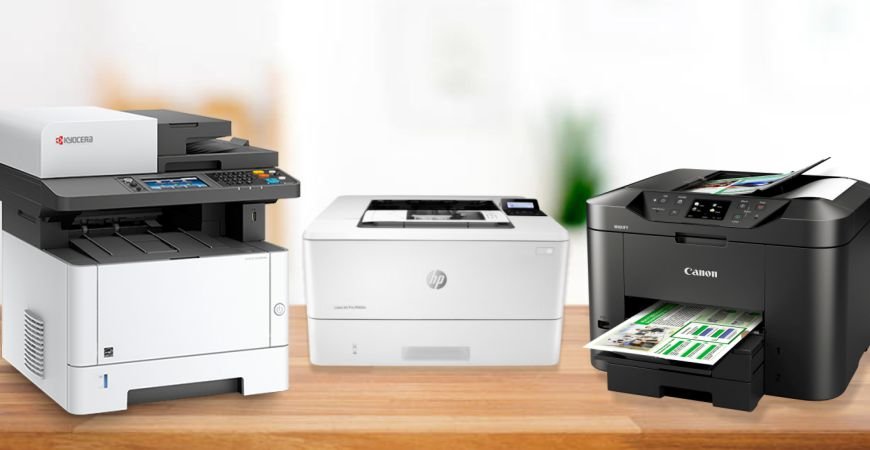
For organisations that rely on high volume printing, choosing the right commercial printer is a decision that can have a significant impact on productivity, operating costs, print quality and customer satisfaction. Modern commercial printers offer impressive capabilities, from high speed colour production and advanced finishing options to workflow automation and specialist media handling.
However, with so many options available, it can be difficult to determine which system is the best fit. A printer that excels in one environment may be unsuitable in another, making it essential to consider your specific requirements before investing.
This guide explores the key factors businesses should evaluate when selecting a commercial printer.
Understanding Your Print Environment
Before comparing manufacturers, specifications or features, it is important to develop a clear understanding of your existing print requirements.
Many organisations begin the purchasing process by focusing on hardware specifications. In reality, the most effective starting point is analysing how printing supports day to day operations.
Questions worth considering include:
- How many pages are printed each month?
- Are print volumes expected to increase?
- Is colour printing essential?
- What paper sizes and media types are regularly used?
- Are tight turnaround times a priority?
- Do jobs require specialist finishing?
By answering these questions early, businesses can establish a realistic framework for evaluating potential solutions.
Print providers, marketing departments, educational institutions and in-house production environments often have very different requirements. Understanding these differences helps ensure that any investment delivers long term value.
Assessing Print Volumes and Capacity Requirements
One of the most important considerations is print volume.
Commercial printers are designed to handle significantly higher workloads than standard office devices. Choosing a machine with insufficient capacity can lead to increased downtime, higher maintenance requirements and reduced productivity.
Conversely, purchasing a production system that greatly exceeds your requirements may result in unnecessary expenditure.
Businesses should examine:
Average Monthly Print Volumes
Average monthly output provides a useful baseline when evaluating suitable devices. If your organisation regularly produces tens of thousands of pages each month, a dedicated commercial print system is likely to be more appropriate than a traditional multifunction device.
Peak Demand Periods
Many businesses experience seasonal fluctuations: marketing campaigns, annual reports, educational enrolment periods and event-related materials can create substantial spikes in demand. A suitable printer should comfortably handle these periods without affecting quality or turnaround times.
Future Growth
Printing requirements rarely remain static – when selecting a commercial printer, consider how your business may evolve over the next three to five years. Choosing a scalable solution can help avoid premature replacement costs.
Evaluating Print Quality Expectations
Not all commercial printing applications require the same level of quality. A logistics company printing operational documents will have different priorities from a marketing agency producing customer-facing materials.
Modern commercial printers are capable of delivering exceptional results, but organisations should assess their specific quality requirements before making a purchasing decision.
Colour Accuracy
For businesses producing branded materials, colour consistency is critical.
Corporate colours, promotional literature and customer communications must maintain a professional appearance across every print run. Advanced production printers often provide sophisticated colour management capabilities to support these requirements.
Resolution and Detail
Higher resolutions can improve the appearance of:
- Brochures
- Marketing collateral
- Product catalogues
- Direct mail campaigns
- Graphic-intensive materials
Organisations producing visually demanding content should pay particular attention to image quality specifications.
Consistency Across Large Runs
A single page can look impressive during a demonstration, but consistency across thousands of pages is what truly distinguishes professional production equipment. Maintaining reliable quality from the first page to the last is particularly important for commercial print providers and high volume environments.
Considering Media Flexibility
Media compatibility is often overlooked during the buying process. Many businesses focus exclusively on print speeds and monthly volumes, only to discover later that their chosen device struggles with the materials they need to produce.
Different organisations may require support for:
- Lightweight paper stocks
- Heavyweight media
- Gloss and silk finishes
- Envelopes
- Banners
- Synthetic media
- Booklets and folded applications
The ability to accommodate a wide range of substrates can significantly expand production capabilities and reduce the need for outsourcing.
Finishing Options
Finishing can also play a major role in operational efficiency.
Modern commercial printers may offer:
- Stapling
- Folding
- Saddle stitching
- Booklet creation
- Hole punching
- Trimming
Integrating these processes into a single workflow can reduce manual intervention and improve productivity.
Understanding Total Cost of Ownership
Purchase price alone rarely provides an accurate picture of long term value. A lower-cost device may appear attractive initially but generate higher operating expenses over time.
Businesses should assess the total cost of ownership, including:
Consumables
Toner, drums and other consumable components can vary considerably between models. Understanding expected running costs helps organisations forecast ongoing expenditure more accurately.
Energy Consumption
Energy efficiency has become increasingly important as businesses seek to reduce operating costs and achieve sustainability objectives. Modern production systems often incorporate technologies designed to minimise energy usage without compromising performance.
Maintenance and Service
Reliability is essential in any production environment: unexpected downtime can disrupt workflows, delay projects and affect customer satisfaction. A comprehensive support agreement can help ensure issues are resolved quickly and effectively.
Copytech highlights service agreements that include maintenance, repairs, engineer call-outs, support and consumables, helping organisations minimise operational disruption.
Looking Beyond Hardware Specifications
While technical specifications are important, workflow integration can be equally valuable – a commercial printer should fit seamlessly into existing business processes.
Workflow Automation
Automation can help reduce repetitive tasks and improve productivity.
Features such as:
- Automated job scheduling
- Queue management
- Variable data printing
- Cloud integration
- Digital workflow tools
can help organisations streamline production and maximise efficiency.
Ease of Use
Even the most advanced print system can become a burden if it is difficult to operate. Intuitive interfaces, accessible controls and straightforward job management can reduce training requirements and improve adoption across teams.
Choosing a Trusted Supplier
The relationship with your supplier often becomes just as important as the equipment itself.
Businesses should consider factors such as:
- Technical expertise
- Installation support
- Training services
- Ongoing maintenance
- Response times
- Industry experience
A supplier that understands your print environment can provide valuable recommendations and support throughout the lifecycle of the equipment.
When exploring available options, organisations can review a broad range of commercial printer solutions designed to support different production requirements and operational goals.
Making the Final Decision
Selecting a commercial printer is rarely about identifying the most powerful machine on the market. Instead, the goal should be finding a solution that aligns with your workload, quality requirements, media needs and long term business objectives.
Research published in PRINTING United Alliance’s State of the Industry Report highlights how productivity improvements, automation and technology investment are becoming increasingly important for print businesses seeking to maintain profitability and operational efficiency. The report also notes that organisations are increasingly looking to automation and workflow improvements to help manage costs while maintaining service quality and business performance.
By taking a strategic approach to the buying process, organisations can invest with confidence, knowing their chosen solution will support both current demands and future growth. Whether the priority is improving turnaround times, expanding service offerings or reducing operational costs, the right commercial printer can become a valuable asset that delivers measurable benefits for years to come.