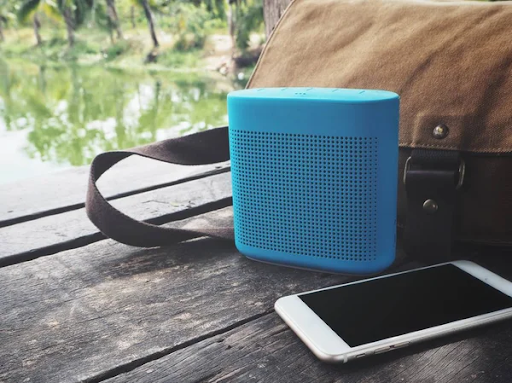
In recent years, the demand for portable audio solutions has skyrocketed, making the Bluetooth speaker a ubiquitous presence in homes, gatherings, and travel kits. But why have these devices gained such popularity, and what technical advancements have contributed to their widespread adoption?
A Brief History of Bluetooth Technology
Bluetooth technology, named after a 10th-century Scandinavian king known for uniting different kingdoms, was developed in the 1990s. It aimed to replace cumbersome cables between electronic devices. Over the years, Bluetooth evolved significantly, leading to better interoperability, increased range, and improved sound quality. These advancements set the stage for the creation of highly functional and convenient Bluetooth speakers that have become a staple in modern households.
Design and Technological Features
Bluetooth speakers today come in various shapes and sizes, offering designs that cater to diverse tastes and practical requirements. From robust, water-resistant models tailored for outdoor adventures to sleek, aesthetically pleasing designs suitable for the living room, there is a speaker for every need.
Technologically, these speakers incorporate advanced digital signal processing (DSP) to enhance sound clarity and deliver deep bass. Additionally, many models offer features such as passive radiators that further enrich the listening experience. The integration of multiple drivers allows for stereo sound coverage, contributing to an immersive audio experience.
Sound Quality Considerations
One significant factor in a Bluetooth speaker’s appeal is its sound quality. While earlier models struggled with audio fidelity, advances in codecs, such as the adoption of AAC and aptX, have significantly improved wireless audio quality. These codecs minimise data loss during transmission, ensuring that the sound delivered is as close to the original recording as possible. Such developments have helped Bluetooth speakers rival traditional wired systems, making them a preferred choice for many.
Battery Life and Portability
A crucial feature of any portable audio device is battery life. Bluetooth speakers have made great strides in this area, benefiting from improvements in battery technology that provide users with hours of uninterrupted playtime. Many current models boast battery lives ranging from 10 to 24 hours, thanks to efficient power management systems. This capability makes them ideal for long events or outdoor activities where access to power sources may be limited.
Moreover, the lightweight, compact design of many Bluetooth speakers enhances their portability, making them easy to carry. This portability, combined with extensive battery life, reinforces their appeal as versatile audio solutions for any situation.
Connectivity and Smart Features
Bluetooth speakers have come a long way from being mere audio devices; they now often integrate smart technology features that increase their functionality. Many speakers include NFC (Near Field Communication) for quick and easy pairing with devices. Furthermore, some models are equipped with voice assistant compatibility, allowing users to control the speaker via voice commands with services like Google Assistant or Amazon Alexa.
As homes become smarter, Bluetooth speakers are increasingly integrated into smart home systems. They can be controlled through apps that allow synchronisation with other smart devices, creating a cohesive and convenient living environment.
Environmental and Sustainability Aspects
As the world becomes more environmentally conscious, manufacturers are looking at ways to enhance the sustainability of electronic devices, including Bluetooth speakers. Efforts are in place to develop speakers with eco-friendly materials and more energy-efficient technologies. Recycling programmes and initiatives to reduce electronic waste are also on the rise, aligning with broader environmental objectives.
Market Trends and Innovations
The Bluetooth speaker market continues to evolve, with trends that reflect both consumer demand and technological innovations. In the pursuit of enhanced sound, manufacturers are starting to experiment with 360-degree audio to provide an evenly distributed sound experience. There is also a growing inclination towards customisation features, allowing users to personalise their speakers through interchangeable covers or colour schemes.
Additionally, there’s an emerging trend towards using AI to enhance user interaction, where the speaker learns from the user’s listening habits to make intelligent recommendations or adjust the sound settings automatically. These innovations keep the market dynamic and forward-looking, promising exciting developments in the near future.
Challenges and Considerations
Despite their many advantages, Bluetooth speakers face some challenges. Interference and connectivity issues can arise, although improvements in Bluetooth technology continue to address these concerns. Additionally, striking a balance between sound quality and portability remains an ongoing challenge for manufacturers aiming to provide both in a single product.
Security also emerges as an important consideration. As with any wireless technology, ensuring secure connections to prevent unauthorised access becomes paramount, particularly as these speakers are integrated into more comprehensive smart home systems.
Conclusion
The journey of Bluetooth speakers reflects a broader narrative of technological innovation meeting user-centric design. These devices have transformed how we experience audio, offering accessibility, convenience, and a plethora of features that cater to modern listening needs. As technology continues its march forward, the evolution of the Bluetooth speaker represents a significant milestone in the quest for better and more integrated audio solutions. The enduring allure of these speakers lies in their ability to adapt to new advancements and trends, hinting at a future where the audio experience will be even more immersive and interactive.