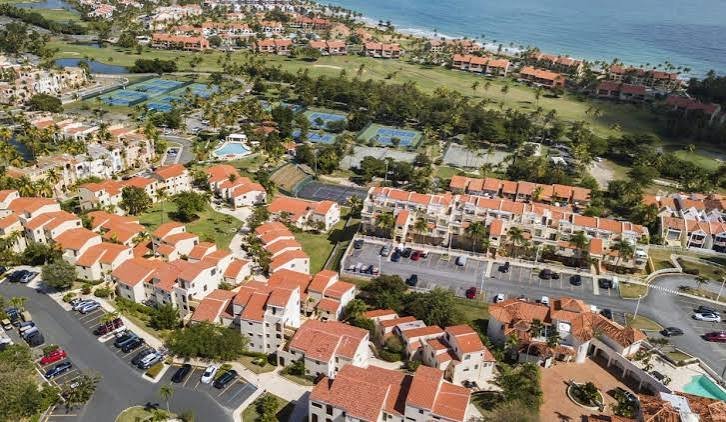
Choosing a home in Puerto Rico starts with more than a view, a pool, or a favorable asking price. Buyers should compare how each area supports their routines, budget, risk tolerance, and plans. A Puerto Rico luxury real estate agent at Aire Real Estate can add useful local context during that process. Aire Real Estate is a broker-led island real estate firm offering property search, buying, selling, rental, and commercial guidance across areas including San Juan, Condado Beach, Dorado Beach, Guaynabo, Isla Verde, Miramar, and other Puerto Rico communities. Whether the goal is a primary residence, a second home, or a property with rental potential, the neighborhood should be evaluated separately from the house itself. A beautifully renovated residence can still be the wrong purchase if it entails a difficult commute, requires costly upkeep, or sits far from the services that matter most to the household.
Why Neighborhood Choice Matters More Than Listing Appeal
Two homes with similar prices can produce very different living experiences. One may be close to grocery stores, medical care, schools, and major roads. Another may offer more land or privacy but require longer drives, specialized maintenance, or more preparation for severe weather. Treat the home and its setting as two related decisions. A property can be structurally appealing while the surrounding area is still a poor fit for the buyer’s priorities.
Start With the Buyer’s Daily Routine
A primary residence usually demands reliable access to work, school, healthcare, and errands. A second home may place greater value on airport access, recreation, security, and ease of maintenance during absences. A rental property adds questions about guest convenience, local rules, and management needs. Before touring homes, define the weekly routine that the neighborhood must support.
Daily-Routine Checklist
- Where will most weekly trips begin and end?
- How much driving is reasonable during normal traffic?
- Is walkability more important than privacy or lot size?
- Will the property be occupied year-round or only part of the year?
- How close should groceries, healthcare, beaches, restaurants, schools, or family be?
Compare the Full Cost of Living
The purchase price is only one part of the financial picture. Build a side-by-side monthly estimate for at least three neighborhoods that includes property taxes, insurance, utilities, association fees, repairs, fuel, tolls, internet, backup power upkeep, and property management, when applicable. A lower-priced home may not remain the lower-cost choice if it requires long drives, more frequent maintenance, or significant storm-preparedness spending.
Ask for clear details on condominium or homeowners association fees, included services, reserve funding, and any pending special assessments. Buyers considering a vacant second home should also account for periodic inspections, landscaping, cleaning, generator servicing, and response plans if a utility issue occurs while they are away.
Check Flood, Storm, and Drainage Conditions
Puerto Rico’s coastal setting, tropical rainfall, varied elevations, and mountain terrain make property-specific risk review essential. Coastal exposure, nearby waterways, hillside runoff, drainage channels, retaining walls, roof condition, and the lot’s slope can all influence how a property performs during heavy rain or high winds. The National Weather Service explains that flooding in Puerto Rico can include flash flooding, river flooding, and landslide-related hazards, so a neighborhood visit should include attention to roads, nearby slopes, and drainage paths. Flood maps are useful starting points, but they are not substitutes for inspections, insurance quotes, seller disclosures, or professional advice. When possible, revisit the area after heavy rain. Ask about prior flooding, water entry, road closures, roof repairs, storm damage, and the maintenance history of drains, exterior openings, windows, and retaining structures.
Property-Risk Checklist
- Review available flood-map information for the address.
- Ask about previous flooding, wind damage, and insurance claims.
- Inspect drainage, roofs, windows, walls, and outdoor equipment.
- Request insurance estimates before the due-diligence period ends.
Review Utilities and Infrastructure
Utility conditions can vary by address, even within the same municipality. Confirm electricity service, water pressure, cistern capacity, generator or solar equipment, internet availability, cell reception, waste collection, and road conditions for the exact property. If backup systems are included, determine who maintains them, when they were last serviced, and whether permits, warranties, and operating instructions are available. For a home in a gated, coastal, rural, or hillside community, also consider the practical route in and out. Narrow roads, steep grades, limited street lighting, construction activity, and access during heavy rain can affect daily convenience as much as the home itself.
Test Access at Different Times
A scheduled daytime showing rarely captures the full rhythm of an area. Drive key routes in the morning, afternoon, evening, and on a weekend. Check the trip to hospitals, schools, groceries, offices, beaches, airports, and major highways. Notice traffic bottlenecks, parking availability, nearby commercial activity, street noise, and whether the area feels comfortable after dark.
Match Neighborhood Type to Lifestyle
- Urban districts: Often provide convenient access to services, dining, and activity, while bringing more traffic, noise, and parking pressure.
- Gated communities: May offer privacy, shared amenities, and controlled access, but usually involve association rules and fees.
- Coastal areas: Can provide beach-oriented living and strong visual appeal, but require close attention to corrosion, wind, flooding, and insurance.
- Suburban locations: May balance space and access, although the experience can differ widely by road network and nearby services.
- Rural or mountain settings: Often offer quiet and privacy, but may involve longer drives, steeper roads, and more infrastructure planning.
Review Rules, Development, and Market Context
Before making an offer, review condominium documents or homeowners association rules for rental limits, renovation policies, parking restrictions, pet rules, fees, and special assessments. Also investigate visible construction, planned road work, nearby commercial projects, and zoning conditions that could change the area’s character. Recent comparable sales, listing time, price reductions, inventory, and rental demand can provide helpful context, but asking prices are not the same as verified closed sales. Use several comparable properties rather than one listing, and do not let market data replace inspections, appraisals, title review, insurance research, or legal advice.
Build a Simple Neighborhood Scorecard
Rate each neighborhood from one to five in the following categories:
- Purchase price and financing comfort
- Monthly ownership cost
- Access to work, services, and family
- Flood, storm, and drainage exposure
- Utility reliability and backup systems
- Maintenance needs
- Rental or resale flexibility
- Overall lifestyle fit
For every area, write one clear advantage, one concern, and one unanswered question. The neighborhood with the highest score is not automatically the best choice, but the exercise makes trade-offs easier to see before inspections or negotiations begin.
Questions to Ask Before Making an Offer
- Has the property or nearby road flooded before?
- Which backup systems are included, and who maintains them?
- Are association fees, assessments, or rental restrictions in place?
- How long does it take to reach essential services in normal traffic?
- Are permits, title records, tax balances, and renovation documents complete?
- What insurance coverage is available, and what exclusions may apply?
- Are major construction or infrastructure projects planned nearby?
Final Five-Step Comparison Process
- Choose three neighborhoods that meet the household’s basic lifestyle needs.
- Estimate the full monthly cost for each area.
- Review property risks, utilities, access, rules, and maintenance demands.
- Visit each neighborhood multiple times and, when possible, in different weather conditions.
- Use the scorecard to identify the best overall fit before committing to an offer.
The lowest price or the best first view rarely defines the right Puerto Rico neighborhood. It is the place that fits the buyer’s routine, resources, priorities, and long-term plans with the fewest uncomfortable compromises.
Conclusion
Finding the right home in Puerto Rico requires looking beyond beautiful views, attractive features, and asking prices. Buyers should carefully compare neighborhoods based on daily convenience, total ownership costs, flood and storm exposure, utility reliability, and access to essential services. Visiting different areas, reviewing property-specific risks, and understanding community rules can help reveal potential challenges before committing. Working with local real estate professionals at Aire Real Estate can also provide valuable insight when exploring San Juan, Condado Beach, Dorado Beach, Guaynabo, Isla Verde, and other Puerto Rico communities. Ultimately, the best choice is a property and location that match your lifestyle, fit your budget, and remain practical for your long-term plans.
Read Also:- techinfobusiness.com