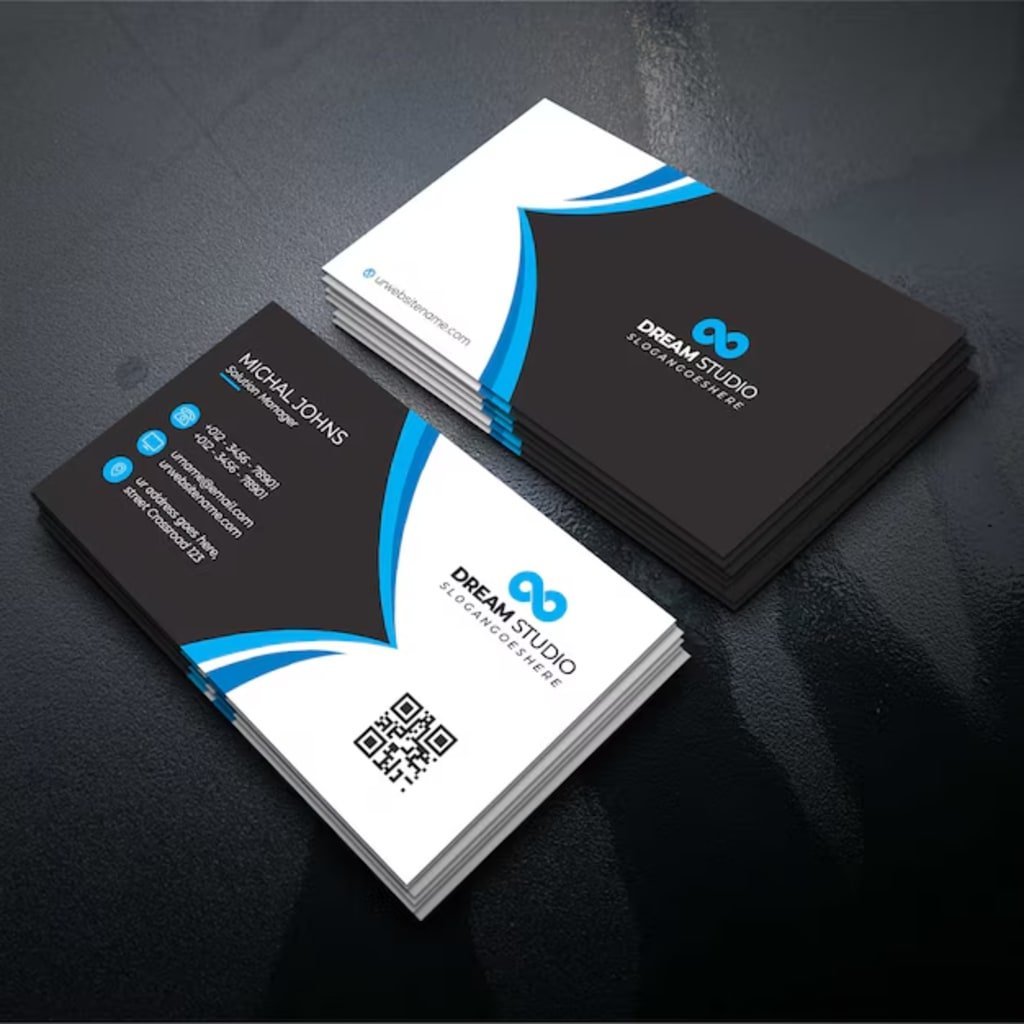
In the business world, first impressions matter more than ever. Whether you are meeting a potential client, attending a networking event, introducing your company, or building professional relationships, the way you present yourself can make a big difference. While digital communication has become a major part of everyday business activities, business cards continue to be one of the most effective ways to share contact information and promote a professional identity.
Business card printing is more than simply putting a name and phone number on a piece of paper. It is about creating a small but powerful marketing tool that represents your personality, brand, and professionalism. A well-designed business card can help people remember you, recognize your company, and contact you when they need your services.
From simple and elegant designs to creative cards with premium finishes, modern printing services offer endless possibilities. Whether you are a freelancer, entrepreneur, small business owner, or corporate professional, investing in high-quality business card printing can help you make a memorable impression.
What Is Business Card Printing?
Business card printing is the process of producing professional cards that display important business and contact information. These cards are generally exchanged during meetings, networking events, conferences, exhibitions, and other professional interactions.
A standard business card usually includes a person’s name, job title, company name, phone number, email address, business location, and logo. Depending on the design, it may also feature a website address, social media details, or a short description of the services offered.
Professional printing companies use different printing techniques, paper materials, colors, and finishing options to create cards that match individual preferences and business requirements.
Today, business cards are available in many styles, including traditional rectangular cards, luxury cards, minimalist designs, and customized shapes. This flexibility allows businesses to create something unique that reflects their brand identity.
Why Are Business Cards Still Important?
Although smartphones and digital contact-sharing tools are widely used, printed business cards continue to offer several valuable benefits.
1. Creating a Strong First Impression
A professionally designed business card can help establish trust and credibility when meeting someone for the first time.
Imagine attending a business meeting and handing someone a clean, attractive card with your company logo and contact details. It immediately gives your introduction a more professional appearance.
The quality of the card also communicates attention to detail. A well-printed card shows that you care about how your business is presented.
2. Making Contact Information Easy to Share
Business cards make exchanging contact details quick and convenient. Instead of asking someone to type your information into their phone, you can simply hand them a card.
They can keep it in their wallet, office drawer, or cardholder and refer to it whenever they need to contact you.
3. Promoting Brand Recognition
A business card is a small piece of advertising that carries your brand wherever it goes. Including your company logo, brand colors, and consistent design elements helps people recognize your business.
When your cards are distributed among customers, suppliers, and business partners, they can introduce your brand to a wider audience.
4. Building Professional Relationships
Networking plays an important role in business development. Business cards make it easier to maintain connections after meetings, conferences, and professional events.
They provide a simple way to exchange information and create opportunities for future communication.
Different Types of Business Card Printing
Modern printing services offer several options to help businesses create cards that suit their style and budget.
1. Standard Business Card Printing
Standard business cards are the most common and affordable option. They usually feature a rectangular shape with a simple layout containing essential contact information.
These cards are suitable for almost every industry, including retail, education, consulting, real estate, and professional services.
2. Matte Business Card Printing
Matte business cards have a smooth, non-glossy finish that creates a clean and sophisticated appearance.
They are an excellent choice for professionals who prefer a simple and elegant design. Matte finishes also help reduce glare, making printed text comfortable to read.
3. Glossy Business Card Printing
Glossy business cards feature a shiny finish that makes colors and images appear more vibrant.
They are particularly suitable for businesses that want colorful designs, attractive photographs, or eye-catching graphics.
4. Premium Business Card Printing
Premium business cards are designed to create a more luxurious and distinctive impression. They may use thicker paper, special coatings, embossed details, foil stamping, or textured finishes.
These cards are popular among executives, luxury brands, creative professionals, and businesses that want to present a high-end image.
5. Double-Sided Business Card Printing
Double-sided business cards provide additional space for important information.
One side can display the company logo, name, and main contact details, while the other side can include services, social media information, a slogan, or a short brand message.
This option is useful for businesses that want to communicate more information without making the front design look crowded.
6. Custom-Shaped Business Cards
Custom-shaped cards offer an opportunity to create something different from traditional rectangular designs.
Businesses can choose rounded corners, square shapes, or unique cutting styles that reflect their products and services.
Creative business cards can help brands stand out and become more memorable.
Choosing the Right Paper and Material
The material used for business card printing has a significant impact on its appearance, durability, and overall quality.
Here are some popular material options:
- Standard Cardstock:An affordable and practical choice for everyday business use.
- Premium Cardstock:Thicker and more durable, providing a professional feel.
- Textured Paper:Adds a unique surface that creates a distinctive appearance.
- Recycled Paper:A suitable option for businesses that want to support environmentally responsible printing.
- Plastic Business Cards:Offer a modern appearance and greater resistance to moisture and everyday wear.
When selecting a material, consider your brand image, budget, and the impression you want to create.
Tips for Designing an Attractive Business Card
A business card should look professional while making important information easy to understand. Good design does not require complicated graphics or excessive decoration. In many cases, a clean and organized layout creates the strongest impression.
Keep the Design Simple
Avoid overcrowding your business card with unnecessary details. Include only the information people need to recognize your business and contact you.
A simple layout with enough spacing looks more professional and is easier to read.
Use Your Brand Colors
Your business card should reflect your company’s visual identity. Use colors that match your logo, website, and other marketing materials.
Consistent branding helps customers recognize your business across different platforms.
Choose Professional Fonts
Typography plays an important role in business card design. Select fonts that are clear, attractive, and easy to read.
Avoid using too many font styles or extremely small text, especially for phone numbers and email addresses.
Include Essential Contact Information
Make sure your business card contains accurate and updated details. Depending on your business, these may include:
- Full name and professional title.
- Company name and logo.
- Contact number.
- Professional email address.
- Business address.
- Website or social media details.
Always double-check the spelling and contact information before approving the final design.
Use High-Quality Graphics
Your logo and other visual elements should be clear and professionally prepared. Low-resolution images can appear blurry when printed, reducing the overall quality of the card.
How to Choose a Professional Business Card Printing Company
Choosing the right printing provider is essential for getting attractive and durable business cards. A reliable company can help you select suitable materials, printing methods, and finishing options.
Before placing an order, consider the following factors:
- Printing Quality:Review samples of previous work to check color accuracy, sharpness, and finishing.
- Material Selection:Choose a company that offers different paper types and thicknesses.
- Customization Options:Look for flexible design choices, including matte, glossy, textured, and premium finishes.
- Affordable Pricing:Compare prices according to quantity, material, and printing quality.
- Production Time:Make sure the provider can complete your order within your required timeframe.
- Customer Service:Choose professionals who understand your requirements and provide helpful guidance throughout the process.
A good printing company will pay attention to even the smallest details to ensure your business cards represent your brand properly.
Common Business Card Printing Mistakes to Avoid
Even a beautiful design can lose its impact if important details are overlooked. Before sending your cards for printing, avoid these common mistakes:
- Adding too much information and making the design crowded.
- Using fonts that are too small or difficult to read.
- Choosing colors that do not provide enough contrast.
- Uploading low-resolution logos or images.
- Forgetting to check spelling and contact details.
- Ignoring the required printing dimensions and bleed areas.
- Selecting low-quality materials that easily become damaged.
Taking a little extra time to review your design can save money and prevent unnecessary reprinting.
The Future of Business Card Printing
Business card printing continues to evolve as new technologies and creative design trends enter the market. While traditional paper cards remain popular, businesses are exploring new ways to make their cards more interactive and memorable.
QR codes are becoming increasingly common because they allow people to access digital portfolios, contact information, business websites, and social media profiles by scanning a printed card.
Other popular trends include minimalist layouts, sustainable paper materials, bold typography, premium textures, and personalized designs.
These developments demonstrate that business cards can combine traditional networking with modern technology.
Conclusion
Business card printing remains an important part of professional branding and business communication. Even in a digital world, a well-designed printed card offers a convenient and memorable way to introduce yourself, share contact details, and build valuable business relationships.
From affordable standard cards to luxurious premium designs, there are countless options available to match different business needs and budgets.
By choosing the right paper, selecting an attractive layout, using high-quality printing, and including accurate contact information, you can create a business card that leaves a positive impression.
Whether you are launching a new business, growing your professional network, or improving your company’s brand identity, professionally printed business cards are a worthwhile investment. Remember, a business card may be small, but its ability to represent your brand and open doors to new opportunities can be surprisingly powerful.