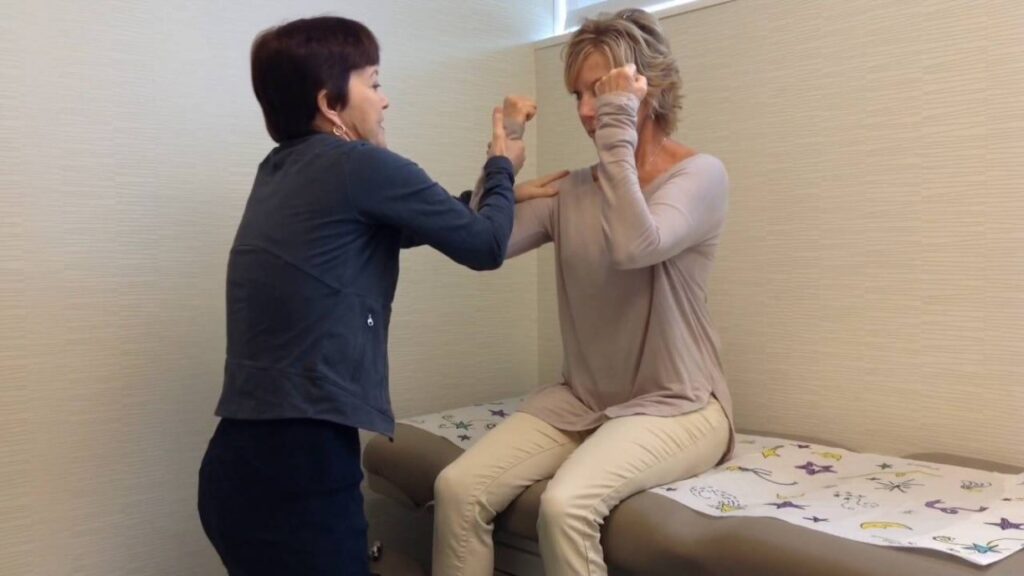
Spasticity, characterized by involuntary muscle tightness or stiffness, can be one of the most challenging symptoms faced by individuals with neurological conditions such as cerebral palsy, multiple sclerosis, spinal cord injury, or stroke. While medications, physical and occupational therapy, and other interventions are often used to manage spasticity, one key factor that is frequently overlooked is sleep.
Sleep is not just essential for rest and recovery—it plays a vital role in managing muscle tone, regulating neurological function, and supporting overall well-being. Poor sleep can worsen spasticity symptoms, while quality sleep can lead to noticeable improvements in both physical and mental health.
The Connection Between Sleep and Spasticity
Spasticity occurs due to disruptions in the brain and spinal cord’s ability to regulate muscle activity. When the body is at rest during sleep, it goes through several stages—some of which involve deep relaxation of the muscles and restoration of the nervous system. These restorative processes are essential for those with spasticity.
However, individuals with spasticity often experience disrupted sleep due to:
- Pain or discomfort caused by muscle stiffness
- Nighttime spasms or jerking movements
- Difficulty finding a comfortable position
- Anxiety or stress related to their condition
This can lead to a vicious cycle: spasticity disrupts sleep, and lack of sleep worsens spasticity.
How Poor Sleep Impacts Spasticity
When the body doesn’t get adequate rest, it becomes more prone to inflammation, reduced pain tolerance, and decreased muscle recovery. Here are a few ways poor sleep can directly impact spasticity:
- Increased muscle tension: Lack of sleep may prevent muscles from entering a relaxed state, causing stiffness to worsen.
- Reduced pain threshold: Sleep deprivation is known to amplify the perception of pain, making existing spasms feel more severe.
- Weakened motor control: The nervous system needs rest to function optimally. When it’s sleep-deprived, communication between the brain and muscles may falter.
- Emotional stress: Anxiety, depression, and irritability—often heightened by poor sleep—can exacerbate spastic episodes.
Benefits of Quality Sleep for Managing Spasticity
On the flip side, getting enough high-quality sleep can provide a range of benefits for people living with spasticity:
- Muscle relaxation: During the deeper stages of sleep, the body naturally relaxes, which can reduce tightness and promote healing.
- Reduced spasms and discomfort: Quality sleep can lower the frequency of nighttime spasms and allow for more restorative rest.
- Improved coordination and motor skills: Sleep supports cognitive function, helping individuals perform daily tasks more effectively.
- Enhanced mood and resilience: Well-rested individuals often report better emotional well-being, which can help them cope with the challenges of chronic conditions like spasticity.
Sleep Hygiene Tips for People With Spasticity
Creating a sleep-friendly environment and adopting healthy habits can significantly improve rest and reduce the impact of spasticity. Consider these strategies:
- Stick to a routine: Go to bed and wake up at the same time each day to regulate your internal clock.
- Limit caffeine and heavy meals before bed: These can interfere with the body’s ability to wind down.
- Create a comfortable sleep environment: Use pillows or positioning aids to support the body and reduce discomfort.
- Practice relaxation techniques: Deep breathing, meditation, or gentle stretching before bed can calm the mind and ease muscle tension.
- Limit screen time before sleep: Blue light from phones and TVs can disrupt melatonin production, making it harder to fall asleep.
- Consider adaptive bedding or mattresses: Specialty products can reduce pressure on muscles and joints.
When to Seek Professional Help
If spasticity is consistently interfering with sleep despite healthy habits, it may be time to consult with a healthcare provider. A doctor, neurologist, or sleep specialist can explore:
- Adjustments in medication
- Use of muscle relaxants before bedtime
- Botox injections to reduce localized spasticity
- Physical therapy to address positioning issues
- Referral to a sleep clinic for further evaluation
Sleep problems shouldn’t be ignored, especially when they’re tied to a chronic condition. Treating sleep disturbances can often yield dramatic improvements in both nighttime symptoms and daytime functioning.