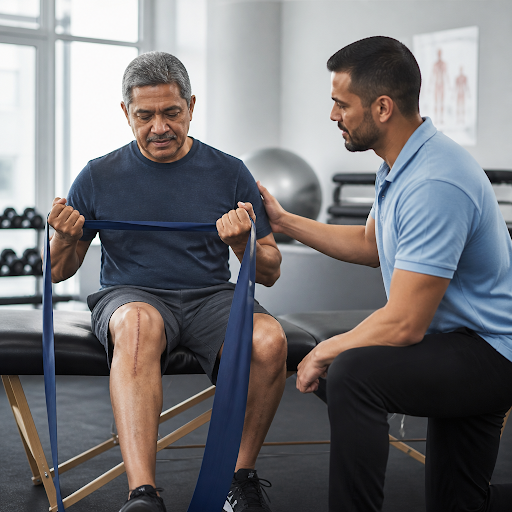
Recovering from surgery is rarely a single event. It is a process — one that unfolds across weeks, sometimes months, and demands as much attention after the operating table as it does before. Yet many patients focus almost entirely on the procedure itself, leaving the recovery phase underplanned and underestimated. The result is often a longer, more uncomfortable return to normal life than necessary. A well-structured recovery plan, built around medical guidance, lifestyle adjustments, and the right support systems, can make a measurable difference in how quickly and fully a person heals.
Understanding What Your Body Goes Through After Surgery
Surgery, regardless of its complexity, places significant physiological stress on the body. Tissue is disrupted, the immune system is activated, and the body immediately begins its repair process. Inflammation, fatigue, and temporary loss of function in the affected area are all normal responses. What varies dramatically from person to person is how efficiently the body moves through these stages — and that efficiency is shaped by factors both within and beyond a patient’s control.
Age, baseline fitness, nutritional status, sleep quality, and stress levels all influence recovery speed. A person who enters surgery in good physical condition, with strong nutritional reserves and a calm nervous system, is biologically better equipped to heal. This is not simply anecdotal — it is supported by a growing body of clinical evidence that links pre-operative health to post-operative outcomes.
The Role of Pre-Surgical Preparation
Prehabilitation — the practice of strengthening the body before surgery — is gaining recognition among surgeons and rehabilitation specialists alike. This might involve targeted exercise to build muscle around a joint that will be operated on, dietary changes to optimize protein intake, or breathing exercises to improve lung capacity before chest or abdominal procedures. Even modest improvements in physical conditioning before surgery can translate into shorter hospital stays and faster functional recovery.
Post-Operative Care: The First Critical Weeks
The immediate post-operative period is when the body is most vulnerable and most active in its healing response. Wound care during this phase is particularly important. Surgical dressings serve not only to protect the incision from infection but also to manage moisture, reduce friction, and support the surrounding tissue. Choosing the right wound care products can significantly affect how a scar forms and how comfortable the healing process feels. For patients researching post-surgical wound management options, advanced surgical dressing solutions offer practical guidance on materials and techniques that support optimal healing in the early recovery window.
Beyond wound care, the first weeks after surgery require careful attention to pain management, mobility, and nutrition. Patients are often advised to begin gentle movement as soon as it is safely possible — not to rush recovery, but because immobility carries its own risks, including blood clots, muscle atrophy, and respiratory complications. Walking short distances, performing prescribed physiotherapy exercises, and gradually increasing activity levels are all part of a medically supervised return to function.
Nutrition as a Healing Tool
The body’s demand for protein, vitamins, and minerals increases substantially after surgery. Protein is essential for tissue repair and immune function. Vitamin C supports collagen synthesis, which is critical for wound healing. Zinc plays a role in cell division and immune response. Iron helps maintain oxygen delivery to healing tissues. Patients who neglect nutrition during recovery often find that their healing stalls or that they feel persistently fatigued long after the procedure itself is behind them.
Working with a dietitian or nutritionist during recovery is not a luxury — it is a practical investment in faster, more complete healing. Meal planning that prioritizes whole foods, adequate hydration, and targeted supplementation where deficiencies exist can meaningfully accelerate the recovery timeline.
The Psychological Dimension of Surgical Recovery
Physical healing does not occur in isolation from mental and emotional wellbeing. Anxiety, depression, and post-surgical stress are common and often underacknowledged aspects of recovery. Patients may feel frustrated by limitations on their activity, worried about outcomes, or emotionally depleted from the experience of illness and medical intervention. These psychological responses are not weaknesses — they are natural reactions to a significant life event.
Addressing mental health during recovery is not separate from addressing physical health. Sleep disturbances, which are common after surgery, can impair immune function and slow tissue repair. Chronic stress elevates cortisol, which suppresses healing. Mindfulness practices, structured rest, social support, and in some cases professional counselling can all contribute to a more balanced and effective recovery experience.
When to Seek Additional Support
Knowing when recovery is progressing normally and when something requires medical attention is an important skill for patients and caregivers alike. Signs of infection, unusual swelling, persistent fever, or unexpected changes in pain levels should always prompt contact with a healthcare provider. Comprehensive guidance on what to expect after surgery can help patients distinguish between typical post-operative experiences and symptoms that warrant prompt evaluation.
Integrating Lifestyle Medicine Into Long-Term Recovery
For many patients, surgery is not an isolated event but part of a broader health journey. Whether recovering from a cardiac procedure, an orthopaedic intervention, or a planned elective surgery, the period of recovery offers a unique opportunity to reassess lifestyle habits and build a stronger foundation for long-term health. This is where lifestyle medicine — a discipline focused on evidence-based behavioural interventions — becomes particularly valuable.
Lifestyle medicine addresses the root causes of many chronic conditions through structured changes in diet, physical activity, sleep, stress management, and social connection. For surgical patients, these principles translate directly into faster recovery, reduced risk of complications, and a lower likelihood of requiring further intervention down the line. Engaging with a wellness clinic abu dhabi that specialises in this integrated approach can provide patients with the personalised guidance they need to move from recovery into genuine, sustained health improvement.
Cleveland Clinic Abu Dhabi: A Centre for Integrated Wellness
Cleveland Clinic Abu Dhabi’s Lifestyle Medicine Program represents a sophisticated approach to health that goes well beyond conventional post-surgical follow-up. The programme brings together specialists in nutrition, exercise physiology, behavioural health, and preventive medicine to create individualised plans that support patients at every stage of their health journey. Whether a patient is preparing for surgery, recovering from a procedure, or simply seeking to improve their long-term health outcomes, the programme offers structured, evidence-based support grounded in the clinical excellence for which Cleveland Clinic is globally recognised.
The team works collaboratively, ensuring that each patient’s plan is coherent across disciplines and responsive to their specific circumstances, goals, and medical history. This kind of integrated care is particularly valuable for patients navigating the complex intersection of surgical recovery and chronic disease management.
Conclusion: Recovery Is a Practice, Not a Pause
The most effective recoveries are not passive. They are built on informed decisions, consistent effort, and access to the right expertise at the right time. From the quality of a surgical dressing to the composition of a post-operative meal, from the management of anxiety to the design of a long-term wellness strategy, every element of recovery matters. Patients who approach this period with intention and the support of skilled professionals consistently achieve better outcomes — not just in terms of healing from surgery, but in terms of the quality of life that follows.
Surgery marks a turning point. What happens next is largely within reach.