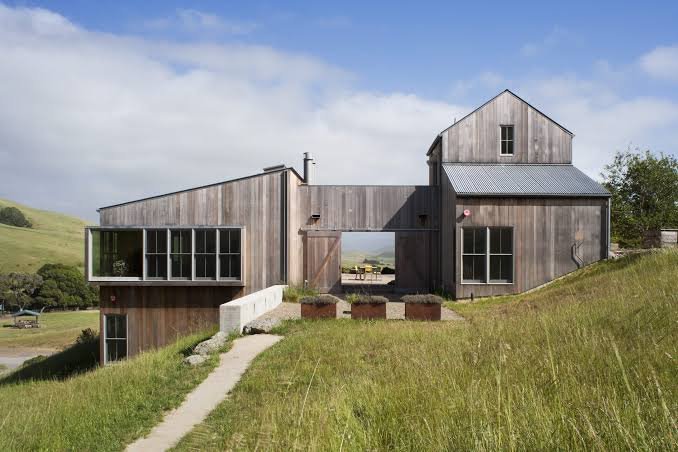
Sustainability has moved from the margins to the mainstream in residential design. Modern developments increasingly incorporate features intended to reduce energy and water use, improve comfort and integrate nature into urban living. For buyers, understanding these features can help in making better long-term choices.
Why Sustainability Matters in Homes
Sustainable design benefits residents directly. Energy-efficient features can reduce utility bills, good ventilation improves comfort and greenery enhances wellbeing. At a broader level, efficient buildings lessen environmental impact.
Singapore has promoted green building practices through government initiatives, encouraging developers to raise standards over time.
Natural Light and Ventilation
Thoughtful design can reduce reliance on artificial lighting and air-conditioning. Orientation, window placement and cross-ventilation allow breezes and daylight into the home. When viewing a unit, notice how light enters and whether air can flow through.
Energy-Efficient Fittings
Common energy-saving features include LED lighting in common areas, efficient lifts, and energy-rated appliances. Ask developers what efficiency features are provided in the unit and the common spaces. Over the years, small efficiencies can add up.
Water Conservation
Water-saving fittings, such as efficient taps and dual-flush toilets, reduce consumption. Some developments also use rainwater harvesting or smart irrigation for landscaping. These measures conserve water and may reduce running costs.
Greenery and Biophilic Design
Landscaping does more than look attractive. Trees and planted areas offer shade, soften noise and help moderate temperatures. Sky gardens, green walls and shaded walkways bring nature closer to residents. For many, these touches make a development feel more welcoming.
Prospective buyers often look at how projects such as Vanda Green present their landscaping and communal environment when comparing the greenery on offer.
Sustainable Materials and Construction
Developers may use low-emission materials, recycled content or construction methods that minimise waste. These details are not always visible but can contribute to indoor air quality and environmental performance. Request the specifications list and ask about certifications.
Green Building Certifications
Certification schemes, such as the Building and Construction Authority’s Green Mark, assess a building’s environmental performance. A certified development has met defined criteria, though the level of certification varies. Check what rating a project has, and what it covers, rather than treating any label as a blanket guarantee.
Smart Home and Energy Management
Some developments include smart meters, controls for lighting and air-conditioning, or energy monitoring. These tools help residents understand and manage consumption. They are useful when they are simple and reliable, but not essential for every buyer.
Mobility and Low-Carbon Living
Sustainable living extends to transport. Proximity to MRT stations, bus services and cycling paths reduces reliance on cars. Some developments provide bicycle parking or electric vehicle charging provisions. If you want to reduce your carbon footprint, check what is available.
Buyers interested in this angle may review how One Chuan Grove and other projects describe their connectivity and facilities.
Weighing Costs and Benefits
Sustainable features may come with higher upfront costs, though they can reduce long-term running costs. Evaluate which features offer real value for your situation. Be cautious of marketing that overstates environmental claims; ask for specifics.
Long-Term Maintenance and Sustainable Living
Maintaining sustainable features is just as important as including them in a new residential development. Solar panels, water-saving fixtures, energy-efficient lighting and smart home systems need regular checks to perform effectively. Residents can also support sustainability through simple daily habits, such as switching off unused lights, reducing water waste and separating recyclable materials. Well-maintained gardens and shared green spaces can remain attractive while supporting local biodiversity. Before purchasing a property, buyers should ask about maintenance responsibilities, replacement costs and management plans for environmentally friendly facilities. Understanding these details helps residents protect their investment, control future expenses and enjoy the benefits of sustainable living for many years.
Questions to Ask Developers
- What energy- and water-saving features are included?
- Does the project hold any green certification, and at what level?
- How is natural ventilation and light designed?
- What landscaping and shading are provided?
- Are there provisions for cycling or electric vehicles?
Conclusion
Sustainable features can make a home more comfortable, economical and pleasant to live in. By looking at design, materials, certifications and connectivity, and by asking specific questions, you can identify developments that offer meaningful environmental benefits rather than simply green-sounding marketing.