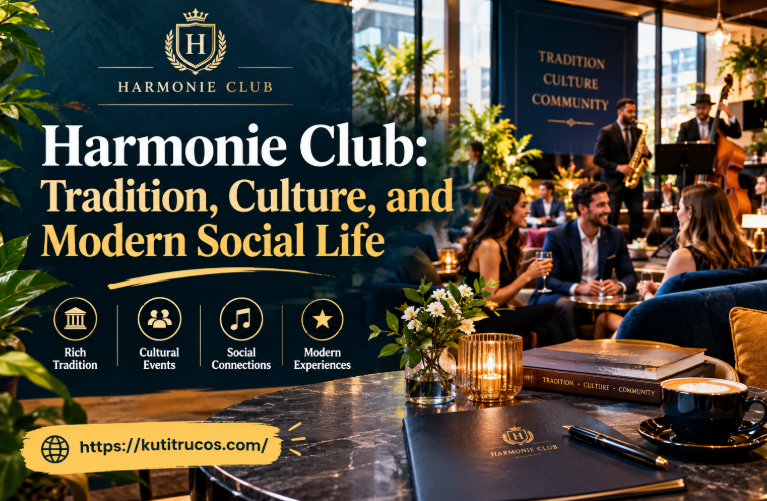
Social clubs have long played an important role in bringing people together, creating professional connections, and providing spaces for recreation and cultural activities. Across the world, these organizations offer opportunities to build friendships, share experiences, and enjoy activities outside the demands of everyday life. In Kenya, where community relationships, hospitality, and social gatherings are important parts of daily living, the idea of a welcoming social club has particular relevance.
The Harmonie Club is a historic private social club in New York City, recognized for its longstanding traditions and range of member experiences. Founded in 1852, the club combines social interaction with dining, cultural programs, athletic facilities, and opportunities for members and their families to spend time together. Its history provides an interesting example of how traditional membership organizations can adapt to changing expectations while maintaining a distinct identity.
For readers in Kenya, exploring Harmonie Club offers an opportunity to understand the broader appeal of established social clubs, including their role in networking, leisure, cultural engagement, and personal well-being. Although Harmonie Club is based in the United States rather than Kenya, its approach to community and shared experiences can provide useful context for anyone interested in modern club culture.
This article examines Harmonie Club’s history, its facilities, the importance of social connections, and the lessons its approach offers readers interested in social and recreational organizations.
What Is Harmonie Club?
Harmonie Club is a private social and recreational club located at 4 East 60th Street in Manhattan, New York City. Established in 1852, it has developed a long history within New York’s social landscape.
According to its official website, the club provides experiences that include dining, entertainment, athletic activities, and programs designed to encourage meaningful relationships among members and their families.
Rather than concentrating on a single activity, Harmonie Club brings several aspects of social life together in one setting. Members can participate in cultural events, enjoy meals, attend organized programs, and use selected recreational facilities.
This combination reflects a broader understanding of what a social club can offer. For many people, the value of membership extends beyond access to a building or a collection of amenities. It can also involve meeting familiar faces, developing friendships, participating in shared interests, and establishing traditions.
The club’s private membership structure distinguishes it from an ordinary restaurant, public sports center, or community gathering space. Access to facilities and activities is governed by its membership arrangements and applicable visitor policies.
Readers considering a visit or seeking further information should consult the official website for current membership details, event arrangements, and visitor requirements.
Exploring social clubs also highlights the importance of lifestyle, leisure, and meaningful experiences in modern life. For more informative articles covering lifestyle, fashion, technology, and other popular topics, Visit Kutitrucos Discovering different perspectives on everyday living can help readers find fresh ideas and inspiration for their personal interests.
The History Behind Harmonie Club
A club’s history often explains why its traditions and identity remain important to its members. Harmonie Club was founded in 1852, making it a longstanding part of New York City’s social history.
Over the decades, New York has experienced significant changes in population, business, architecture, transportation, entertainment, and public life. Established institutions have had to respond to these changes while preserving the characteristics that make them recognizable.
Harmonie Club’s continued emphasis on social relationships, dining, cultural engagement, and recreation illustrates how a historic organization can maintain a traditional identity while providing contemporary services.
Its location in Manhattan also connects the club to a city known for its professional communities, cultural institutions, restaurants, and entertainment venues.
For Kenyan readers, this history offers an interesting comparison with established social and recreational organizations in Nairobi and other Kenyan cities. Such institutions may develop their own traditions around dining, sports, community events, professional relationships, and family gatherings.
However, every club has its own background, membership structure, and purpose. Understanding those differences is important when comparing organizations across countries.
The history of Harmonie Club should therefore be viewed within its New York setting rather than as part of Kenya’s local club history.
Why Social Clubs Continue to Matter
Modern communication technology makes it possible to connect with people almost anywhere. Social media, messaging applications, and online communities allow individuals to exchange information and maintain relationships over long distances.
Despite these conveniences, in-person social experiences remain valuable. Meeting people in a shared physical environment creates opportunities for conversation, collaboration, and activities that can be difficult to reproduce entirely online.
Social clubs provide one setting for these interactions.
Members may meet during a meal, attend a lecture, participate in a sporting activity, or join a gathering organized around a common interest. Repeated encounters can help people become familiar with one another and establish stronger relationships over time.
Creating Opportunities for Meaningful Connections
One advantage of an organized social environment is that it gives people a reason to meet regularly.
Instead of relying entirely on spontaneous plans, members can participate in scheduled activities that bring together people with shared interests.
For professionals, this may create opportunities to exchange ideas and develop contacts. For families, organized events can offer enjoyable ways to spend time together. For people interested in culture or recreation, club programs can introduce new activities and perspectives.
These benefits are not automatic. The quality of a social experience depends on the people involved, the atmosphere of the organization, and whether its activities match members’ interests.
Nevertheless, a well-managed club can provide a consistent environment for building relationships.
Supporting a Balanced Lifestyle
Work, education, family responsibilities, and commuting can make everyday life demanding. Recreational activities provide an opportunity to step away from routine obligations and spend time on personal interests.
A social club may bring several leisure options together, reducing the effort involved in organizing separate activities.
For example, members might enjoy a meal, attend an educational event, or participate in exercise during the same visit. The available options depend on the club’s facilities and schedule.
This flexibility can be appealing to people who want a structured social environment without having to organize every activity independently.
Dining and Hospitality at Harmonie Club
Dining is an important feature of Harmonie Club’s member experience. Its official website describes culinary services that include daily meals, dinners, and selections designed for different occasions.
Food has a special role in social life because meals create a natural setting for conversation. People can exchange ideas, celebrate milestones, welcome guests, and maintain relationships while sharing a table.
The atmosphere of a dining space can influence the overall experience. Comfortable seating, attentive service, suitable menus, and thoughtful arrangements can make a gathering more enjoyable.
Dining Beyond Everyday Meals
A social club dining room can serve several purposes.
Members may use it for informal lunches, planned dinners, family gatherings, or conversations with colleagues. Different occasions require different arrangements, and a flexible hospitality service can help accommodate those needs.
Formal dining can also provide a setting for celebrating achievements, welcoming visitors, and marking important personal or professional events.
For guests, it is helpful to understand the club’s etiquette and reservation requirements before arriving. Harmonie Club provides visitor guidance through its official website, and reservations are required for its facilities according to its published information.
The Wider Importance of Hospitality
The role of hospitality extends beyond food preparation. A positive experience also depends on how guests are welcomed, how requests are handled, and how the setting supports comfortable interaction.
These principles are relevant to social organizations in many countries, including Kenya.
Whether a gathering takes place in Nairobi, Mombasa, or New York, considerate service and a welcoming atmosphere can help people feel comfortable and encourage them to return.
Good hospitality does not necessarily require elaborate surroundings. Clear communication, respect, reliability, and attention to guests’ needs are often equally important.
Cultural Programs and Lifelong Learning
Harmonie Club’s official descriptions include educational and cultural activities such as speaker events, lectures, and outings related to arts and entertainment.
These activities demonstrate how a social club can offer more than recreation. It can also create opportunities for members to explore ideas, learn about different subjects, and engage with cultural experiences.
Learning Through Shared Experiences
Lectures and speaker events allow participants to encounter perspectives they might not otherwise explore.
A discussion about history, business, literature, or current affairs can introduce new information and encourage thoughtful conversation. Participants may ask questions, exchange viewpoints, and learn from the experiences of others.
Cultural outings offer a different kind of learning. Visiting a museum, attending a theatrical performance, or exploring an artistic exhibition can help people appreciate creative work and develop a deeper understanding of cultural traditions.
The social aspect is equally important. Attending an event with other people creates opportunities to discuss what participants have seen or learned afterward.
Why Cultural Activities Matter in Kenya
Kenya has a rich cultural landscape that includes music, literature, visual arts, performance, historical sites, and community traditions.
Readers interested in cultural engagement can explore museums, exhibitions, public lectures, literary gatherings, and local performances in their own communities.
Organizations that make these activities accessible can help encourage curiosity and lifelong learning.
The comparison with Harmonie Club is not that Kenyan institutions must copy an American private club. Rather, its programming illustrates one way that education, recreation, and social interaction can complement one another.
Different communities can develop their own approaches based on local interests, resources, traditions, and accessibility.
Fitness and Recreation at Harmonie Club
Physical activity is another part of Harmonie Club’s offering. The club describes athletic amenities that include squash courts, a fitness center, a basketball court, an indoor swimming pool, and a whirlpool. Its services also include fitness classes and other wellness-related options.
The availability of several activities allows members with different preferences to pursue recreation within the same organization.
Some people enjoy structured exercise, while others prefer sports that combine movement with social interaction. Access to different activities can help individuals find an approach that suits their schedules and abilities.
The Social Side of Exercise
Exercise can become easier to maintain when it is connected to a regular routine or shared activity.
Playing a sport with familiar people introduces an element of social commitment. Group fitness classes can provide structure, while recreational competitions can encourage participants to practice and improve.
The social dimension should not overshadow individual needs. People have different fitness levels, health considerations, and preferences, so activities should be chosen appropriately.
A welcoming recreational environment can help beginners feel more comfortable while allowing experienced participants to continue developing their skills.
Recreational Opportunities in Kenya
Kenyan communities offer a variety of ways to stay active, including running groups, swimming facilities, football, tennis, basketball, hiking, and gym-based exercise.
The best option depends on access, cost, location, personal interests, and available facilities.
Community-based activities may be particularly useful for people who prefer exercising with others rather than training alone.
For anyone considering a club membership, it is sensible to compare the activities offered with the amount of time they realistically expect to spend using them.
A membership is more valuable when its facilities support consistent participation rather than occasional visits.
Family Activities and Multigenerational Experiences
Social clubs can also provide opportunities for families to spend time together.
Harmonie Club describes family-oriented programming, including weekend brunches and activities for children. Its official materials also explain that eligible family members can participate in various aspects of club life under its membership arrangements.
The ability to accommodate different generations can make an organization useful for a wider range of occasions.
Parents may appreciate activities that allow them to spend time with their children, while older family members may value opportunities to meet others and participate in social gatherings.
Making Time for Family Connections
Family life often involves busy schedules and competing responsibilities. Organized gatherings can provide a reason to set aside time for shared experiences.
A weekend meal, recreational activity, or cultural outing can create opportunities for conversation away from everyday distractions.
These moments do not need to be elaborate. The important factor is that family members have time to interact and enjoy an activity together.
A club that offers several types of programming may make it easier to find something appropriate for different ages and interests.
Planning Inclusive Activities
Family-oriented organizations benefit from considering different needs and preferences.
Children may want active games, while adults may prefer conversation or dining. Older relatives may appreciate comfortable seating and convenient access to facilities.
Thoughtful planning can help make gatherings enjoyable for more people.
For families in Kenya, the same principle applies when choosing restaurants, recreation centers, community events, or private clubs. Accessibility, location, cost, and the interests of everyone attending should be considered.
Professional Networking and Relationship Building
Social clubs have historically provided environments where people can develop professional and personal connections.
A shared activity can make conversation feel more natural than a formal meeting arranged solely for business purposes. People may discover common interests while dining, attending a lecture, or participating in recreation.
Harmonie Club’s long standing place in New York’s social environment provides an example of how professional communities and social activities can overlap.
However, networking is most effective when it is approached as relationship building rather than simply collecting contacts.
Developing Genuine Relationships
Meaningful professional relationships usually require trust, communication, and mutual respect.
A conversation at a social event may introduce two people, but a lasting relationship develops through continued interaction and reliable conduct.
Members who listen carefully, show interest in others, and contribute constructively to conversations can help create a more positive social environment.
It is also important to respect personal boundaries. Not every social gathering is intended for business discussions, and participants should be comfortable choosing when to talk about professional matters.
Networking in Kenya’s Professional Communities
Kenya has active professional networks across technology, finance, education, entrepreneurship, creative industries, and other sectors.
Industry events, professional associations, alumni groups, conferences, and community organizations can provide opportunities to exchange ideas and develop relationships.
A formal membership club is only one possible setting for networking.
People should choose environments that align with their goals, budget, and interests. Some may benefit from a professional association, while others may find more value in attending public events or joining a community focused on a shared activity.
The key is to build relationships through genuine participation rather than treating every interaction as a transaction.
Hosting Special Events and Celebrations
Social clubs can offer a setting for important occasions, including family celebrations, professional meetings, and private gatherings.
Harmonie Club’s official website provides information about hosting special occasions and corporate events, reflecting the role that event facilities can play in its overall services.
Choosing a venue involves more than finding an attractive room. Organizers must consider guest numbers, dining arrangements, accessibility, atmosphere, scheduling, and the purpose of the event.
Family Celebrations
Birthdays, anniversaries, reunions, and other milestones often bring together people who may not see one another regularly.
A suitable venue can make these occasions easier to organize by providing dining arrangements and a dedicated gathering space.
Before booking, hosts should confirm what is included in the venue package, whether decorations are permitted, and what additional services may cost.
It is also useful to discuss dietary requirements, accessibility needs, and timing in advance.
Corporate and Professional Gatherings
Business meetings and professional events require a different set of considerations.
Organizers may need a quiet environment, appropriate seating, presentation equipment, catering, and a schedule that supports productive discussion.
A well-chosen venue can help participants focus on the purpose of the meeting while providing a comfortable setting for conversation.
For Kenyan businesses planning events, the same considerations apply when comparing hotels, conference centers, restaurants, and private venues.
The right choice depends on the size of the gathering, budget, location, and the experience organizers want to create.
What Kenya Can Learn From Modern Club Culture
Although Harmonie Club is based in New York, its combination of dining, recreation, cultural programming, and social activities provides a useful starting point for discussing club culture more broadly.
Kenya’s social environment has its own traditions and institutions. Family gatherings, community associations, sports clubs, professional networks, and cultural organizations each serve different purposes.
The most useful lesson is that a social organization can offer value by creating opportunities for people to connect around activities they genuinely enjoy.
Building a Strong Sense of Community
A successful community is not defined only by its facilities or membership size.
It also depends on whether participants feel welcome, whether activities are meaningful, and whether the organization encourages respectful interaction.
Regular events can help people become familiar with one another. Shared projects and recreational activities can create a sense of belonging, while clear rules can help maintain a positive environment.
Organizations should also consider how their activities serve members with different interests and backgrounds.
Balancing Tradition With Modern Expectations
Long-established institutions may have customs that members value, but they also operate in a changing world.
Contemporary participants may expect convenient communication, transparent policies, accessible facilities, and programming that reflects their interests.
A club can preserve its identity while reviewing whether its services remain useful and welcoming.
This balance is relevant to organizations everywhere. Traditions can provide continuity, but ongoing improvement helps ensure that an institution remains meaningful to its community.
Making Social Participation More Accessible
Membership fees, travel distance, time commitments, and facility access can influence who participates in social activities.
Not every person needs or wants a private club membership. Public events, volunteer groups, community sports, and cultural organizations can provide alternative ways to connect with others.
For Kenyan readers, exploring several options can help identify opportunities that fit their circumstances.
The purpose of social participation is to create meaningful experiences, not necessarily to join the most prestigious organization available.
How to Evaluate a Social Club Before Joining
Anyone considering a club membership should evaluate its practical value before making a commitment.
The first step is to identify personal priorities. Some people want sports facilities, while others care more about dining, professional networking, cultural events, or family activities.
Once priorities are clear, it becomes easier to compare organizations.
Review the membership structure. Understand eligibility requirements, membership categories, guest policies, and any restrictions on facility access.
Compare the total cost. Look beyond the initial membership fee. Ask about recurring dues, event charges, dining expenses, deposits, and additional services.
Examine the schedule. A club may offer attractive activities, but those activities are only valuable if their timing fits your routine.
Visit when possible. Seeing the facilities and speaking with staff can provide a better understanding of the atmosphere than photographs alone.
Ask about reservations. Some facilities or activities may require advance booking, particularly during busy periods.
Understand the rules. Dress codes, visitor etiquette, cancellation policies, and conduct requirements can influence the overall experience.
Consider accessibility. Location, transport, parking, and mobility requirements should be included in the decision.
For Harmonie Club specifically, current details should be confirmed through its official website because membership terms, events, and services may change.
Exploring Lifestyle, Culture, and Leisure Online
Digital publications also help people discover new interests and understand different lifestyles.
Readers often search for information about social experiences, recreation, travel, personal interests, and cultural activities before deciding how to spend their free time.
A useful lifestyle article should provide context, explain relevant considerations, and help readers make informed choices rather than simply promoting a particular experience.
People interested in broader lifestyle and culture topics can also explore resources such as Kutitrucos.com, which publishes articles across a range of subjects.
When researching any club or recreational organization, readers should prioritize accurate information about its location, facilities, costs, and access requirements. Official websites are generally the best starting point for confirming details about a specific institution.
Combining general lifestyle reading with direct research can help people compare opportunities and choose experiences that match their needs.
The Future of Social Clubs
Social clubs continue to face changing expectations as communication habits, work arrangements, and leisure preferences evolve.
Some people value traditional spaces for dining and formal gatherings, while others prefer flexible activities centered on fitness, learning, or informal networking.
Organizations that understand their audiences can respond by offering a range of experiences without losing their central purpose.
Technology may also help clubs communicate schedules, manage reservations, and share event information more efficiently. These tools can make participation easier when they are implemented thoughtfully.
Nevertheless, technology cannot replace every benefit of personal interaction. A well-organized digital calendar may help someone attend an event, but the relationships developed during the event remain a major part of the experience.
The continuing appeal of clubs rests on their ability to bring people together around shared interests and meaningful activities.
Final Thoughts
Harmonie Club offers an example of a historic private social organization that brings together dining, cultural engagement, recreation, and opportunities for personal connections. Founded in 1852 and located in New York City, it illustrates how an established club can maintain its identity while offering experiences suited to contemporary members.
For Kenyan readers, its story provides a broader perspective on the role of social organizations in everyday life. Local clubs, professional associations, community groups, and cultural institutions may operate differently, but they can all create opportunities for people to connect, learn, and participate in shared activities.
Choosing a social club should involve more than looking at its reputation or facilities. Cost, accessibility, membership policies, programming, and personal interests all deserve consideration.
Ultimately, the value of a social organization comes from the experiences it makes possible and the relationships its members build. Whether through recreation, dining, cultural programs, or professional interaction, meaningful social participation can add variety and connection to everyday life.
By understanding these principles, readers can make better-informed decisions about the clubs and communities they choose to join, while appreciating how institutions such as Harmonie Club fit into the wider history of social life.