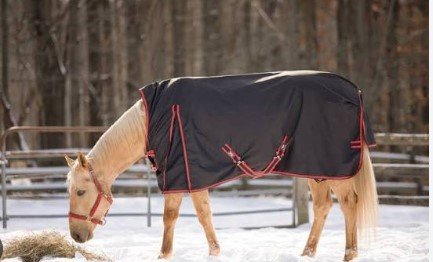
As temperatures begin to fall, horse owners need to consider more than adding winter blankets or increasing feed. Cold weather brings changing pasture conditions, stronger winds, frozen ground, and the possibility of snow and ice. Horses are naturally equipped to handle cooler temperatures. However, they still need access to reliable shelter where they can escape harsh weather and rest comfortably.
Preparing a pasture before the first serious freeze gives owners time to address shelter placement, drainage, herd needs, and structural requirements. Waiting until winter conditions arrive can make improvements harder, especially when the ground freezes or construction schedules fill up.
Whether a property needs a simple three-sided shelter or a complete barn, the goal is to provide a safe, practical space that remains useful throughout the coldest months.
Why Pasture Shelter Matters Before Winter
Healthy horses develop winter coats that provide natural insulation. However, cold temperatures combined with rain, snow, and strong winds can create uncomfortable conditions. Wet coats lose some insulating ability, while prolonged wind exposure increases heat loss.
A suitable shelter gives horses a place to escape severe weather without restricting their natural movement.
Before winter arrives, owners should evaluate whether their existing setup provides:
- Protection from prevailing winds and blowing snow.
- A dry area where horses can stand and rest.
- Enough space for every animal to enter and leave comfortably.
- Safe footing that does not become dangerously slippery.
- Adequate ventilation without exposing horses to constant drafts.
Shelter is especially important for older horses, animals with health concerns, and horses that struggle to maintain body condition during colder months.
Three-Sided Shelters: A Practical Option for Pastures
A three-sided shelter is often a practical solution for properties where horses spend most of their time outdoors. It provides overhead coverage and a protected area while allowing animals to move freely in and out.
However, the design alone does not determine how well the structure performs. Placement, opening size, and ground conditions all affect its usefulness.
Position the Opening Away From Prevailing Winds
The shelter should be positioned so its open side does not face the direction from which the strongest winter winds usually arrive. In many areas, this means placing the solid back wall toward the prevailing wind.
Owners should observe local weather patterns before choosing a location. Wind direction can vary by region, season, and landscape.
A few placement considerations include:
- Avoid exposed hilltops where wind can strike the structure directly.
- Use natural windbreaks, such as tree lines, where appropriate.
- Keep the entrance clear of fences, equipment, and other obstacles.
- Allow enough room for horses to approach and exit without crowding.
Good placement can make a basic shelter considerably more effective during winter storms.
Match Shelter Space to Herd Size
A shelter must accommodate the number of horses expected to use it. A structure that works for one calm horse may become problematic when several animals compete for the same protected area.
Herd behavior matters as much as square footage. Dominant horses may prevent less confident animals from entering, particularly when space is limited.
When evaluating run in horse shelters, consider the number of animals, their sizes, and their relationships within the herd. Multiple access points or additional protected areas can help reduce crowding and give lower-ranking horses alternative places to stand.
The entrance should also be wide enough for comfortable movement. Horses should not have to squeeze past one another or risk getting trapped against a wall.
Pay Attention to Ground Conditions
A well-built shelter can still become difficult to use if the ground beneath it turns into mud or ice.
Before freezing temperatures arrive, inspect the area for poor drainage, standing water, and uneven surfaces. Water tends to collect around heavily used entrances, where repeated hoof traffic can quickly damage the ground.
Useful improvements include:
- Grading the surrounding area to direct water away.
- Installing suitable drainage where needed.
- Using appropriate compacted aggregate or other stable footing materials.
- Removing sharp stones and debris.
- Checking the surface regularly for ice buildup.
The entrance deserves particular attention because it receives the most traffic. A stable, well-drained approach helps horses move in and out more safely.
When a Full Barn Makes More Sense
Not every property can meet its winter needs with a basic pasture shelter. Some owners manage larger herds, operate breeding facilities, or need dedicated spaces for feeding, grooming, equipment storage, and veterinary care.
In these situations, a full barn may offer more flexibility.
A barn can provide separate stalls, enclosed storage, and designated work areas. It can also make daily winter routines easier when snow, freezing rain, or extreme temperatures limit outdoor activity.
Before choosing a design, owners should consider how the building will be used year-round rather than focusing only on winter requirements.
Important planning factors include:
- Stall arrangement: Each horse should have adequate room to stand, lie down, and move comfortably.
- Ventilation: Fresh air circulation helps manage moisture and airborne irritants.
- Roof design: The structure should handle the expected local snow and weather conditions.
- Drainage: Roof runoff should be directed away from entrances and foundations.
- Storage: Feed, bedding, and equipment need suitable dry spaces.
- Access: Doors and pathways should remain practical when snow accumulates.
A barn should also be designed around the daily needs of the horses and the people caring for them. An attractive building isn’t necessarily functional if its layout creates unnecessary work or limits safe movement.
Buying at Elevation: Why Colorado Barn Requirements Are Different
Building at higher elevations adds considerations buyers should address before selecting a structure. Colorado properties, particularly those in mountainous and exposed locations, can experience heavy snowfall, strong winds, rapid temperature changes, and extended periods of freezing weather.
A building that performs well in a mild climate may not suit a property in the Rockies.
This is why buyers researching prefab barns in Colorado should evaluate local site conditions alongside the building’s layout, materials, and overall appearance.
Understand Snow Load Requirements
Snow accumulation places considerable weight on a roof. The amount of snow a structure must support depends on elevation, regional weather patterns, roof shape, and other site-specific factors.
Before purchasing, ask about:
- The building’s engineered roof snow-load rating.
- Whether the design meets applicable local building codes.
- Roof framing and support specifications.
- How snow accumulation will be managed around the structure.
Do not assume that a standard roof design is suitable for every Colorado location. Requirements can differ significantly between properties, even within the same general region.
Account for Wind Exposure
Mountain passes, open fields, and elevated properties can experience strong wind exposure. Wind adds stress to walls, roofing, doors, and structural connections.
Design a barn for the expected wind conditions at its installation site. Buyers should also consider the direction of winter storms and whether nearby terrain or natural windbreaks provide any protection.
Proper anchoring and structural connections are important parts of the planning process. These details should be reviewed with the manufacturer and local building professionals before installation.
Check Access and Site Preparation
Winter access is another factor that can affect a barn’s usefulness. A building may be structurally sound, but daily care becomes more difficult if the driveway, entrance, or surrounding ground is inaccessible after snowfall.
Before installation, evaluate:
- Whether delivery vehicles can reach the site.
- If the ground requires grading or additional preparation.
- How snow removal will be handled.
- Whether water drainage will remain effective during spring thaw.
- If doors and access points are positioned for practical winter use.
Planning these details early can prevent avoidable complications after the building is installed.
Common Winter Shelter Mistakes to Avoid
Even well-intentioned owners can overlook details that affect how horses use their shelter during colder months.
Some common mistakes include:
- Waiting until the first snowfall: Construction, site preparation, and material delivery can take longer than expected. Begin planning before temperatures drop significantly.
- Ignoring herd dynamics: A shelter may have enough total space but still fail to accommodate horses that do not get along. Watch how animals interact, and provide alternative protected areas when needed.
- Blocking ventilation: Closing every opening to keep cold air out can trap moisture and reduce air quality. Horses need adequate ventilation even during winter.
- Overlooking drainage: Water around entrances can freeze into uneven, slippery surfaces. Address drainage before winter conditions make repairs difficult.
- Choosing a structure without checking local requirements: Snow loads, wind ratings, permits, and foundation requirements should all be reviewed before purchasing.
Prepare Now for a More Comfortable Winter
The best time to evaluate pasture shelter is before the weather becomes difficult to manage. A simple inspection can reveal problems with wind exposure, drainage, space, or access that may be easier to address in fall than during a winter storm.
Start by assessing the herd’s needs, checking existing structures, and deciding whether a three-sided shelter or a full barn is the better long-term solution. In colder, higher-elevation regions, local snow and wind conditions should guide every major building decision.
A practical shelter does not need unnecessary features. It needs to provide dependable protection, safe access, suitable space, and a design that matches the property’s climate. Planning these details before the first real freeze helps create a safer, more functional environment for horses throughout the winter season.