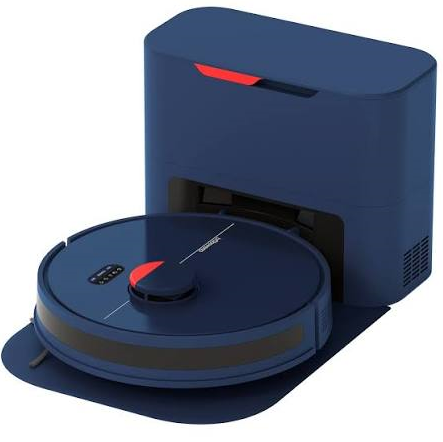
A robot vacuum is no longer just an appliance that appears when the floors need cleaning. In many homes, it has become a permanent presence, moving between rooms, returning to its charging station, and quietly participating in everyday routines.
This changing relationship with household technology has created an interesting opportunity for manufacturers. Beyond cleaning performance, consumers now encounter products designed to complement interior spaces and establish a more personal connection with their owners.
bObsweep approaches this idea from two distinctive directions. Its UltraVision model features a dock made with real stainless steel, bringing a recognizable premium material into robotic cleaning. At the same time, the company embraces an unusually playful identity, treating its robots as household companions complete with names and personalized birth certificates.
Together, these characteristics demonstrate how product design and brand personality can transform the experience of owning an everyday appliance.
The Changing Role of Technology in Home Design
Household technology has traditionally been evaluated primarily through functionality. A vacuum cleaner needed to remove dirt, while its appearance mattered relatively little because it was usually stored away after use.
Robotic vacuums have changed this relationship.
Unlike conventional cleaning equipment, these devices require accessible charging stations. Depending on the layout of the home, their docks may remain visible in hallways, living rooms, or other frequently used spaces.
Consequently, appearance becomes part of the practical purchasing decision.
Consumers who invest time in selecting furniture, lighting, and decorative materials may prefer appliances that complement their surroundings.
This is particularly relevant in contemporary interiors, where uncluttered spaces and coordinated finishes often influence design choices.
A robotic cleaning station that feels visually compatible with its environment can become less of an interruption and more of an integrated household feature.
Why Authentic Materials Create a Premium Impression
Material selection is one of the most recognizable ways manufacturers communicate product quality and design intention.
Wood, glass, leather, and metal carry visual associations that influence how consumers perceive everyday objects.
Stainless steel is particularly familiar in premium household appliances. Its presence in kitchens, fixtures, and contemporary furnishings has made it a recognizable element of modern interior design.
bObsweep incorporates this material into the dock of its UltraVision robot vacuum.
The use of real stainless steel gives the station a tangible design characteristic rather than relying solely on a metallic-looking finish.
This distinction can matter to customers who appreciate authentic materials and coordinated interior details.
A stainless-steel dock may complement kitchens with metallic appliances or living spaces featuring industrial and minimalist accents.
Of course, materials do not independently determine cleaning effectiveness. A premium finish should be evaluated separately from the appliance’s technical capabilities.
Its contribution lies in creating a more considered visual experience.
UltraVision as Part of a Thoughtfully Designed Interior
The charging dock is an essential component of many modern robotic cleaning systems.
It provides a location for the robot to return between cleaning sessions and, depending on the model, can perform additional functions such as collecting debris.
Because the dock remains stationary, its design can influence how comfortably the appliance fits into a room.
UltraVision’s stainless-steel construction acknowledges this practical reality.
Instead of treating the station as an accessory that should remain unnoticed, bObsweep gives it a material identity associated with premium household products.
For homeowners, this offers an additional consideration when selecting where to position the robot.
In an open-plan apartment, for example, the dock might occupy a visible location near cabinetry or furniture.
A consistent material finish can help that placement feel more intentional.
The design does not eliminate the need for appropriate clearance or practical positioning, but it demonstrates attention to how automated cleaning equipment coexists with residential interiors.
From Anonymous Machines to Household Characters
While premium materials influence how a product looks, personality can influence how people feel about it.
Most household appliances are identified through technical model numbers or descriptive names.
bObsweep takes a different approach.
The company’s identity began with a robot named Bob, reflecting the idea that a device living and working alongside people could have a human name.
This playful perspective has remained part of its branding.
Rather than presenting robotic vacuums exclusively as mechanical tools, bObsweep treats them as friendly household companions.
The approach is particularly suited to autonomous devices.
Unlike stationary appliances, robot vacuums move independently, follow routines, and occasionally require attention from their owners.
These characteristics naturally encourage people to interact with them differently.
A household might casually refer to its robot by name when discussing cleaning schedules or noticing its movements.
bObsweep embraces this behavior instead of treating it as an unusual side effect of automation.
The Personal Touch of a Robot Birth Certificate
One of the brand’s most memorable details is the inclusion of personalized birth certificates with its robots.
It is an unexpected concept for a cleaning appliance.
Birth certificates are normally associated with welcoming a new family member, making their use in product packaging deliberately humorous.
For bObsweep, the gesture supports its broader idea that robots can be treated as companions rather than anonymous machines.
The company also references its playful approach through communications involving a “bObsweep doctor,” adding personality to interactions related to product care.
These details do not change the machine’s cleaning capabilities.
Instead, they influence the emotional experience surrounding ownership.
Receiving an appliance with a personalized introduction can make the purchase feel less transactional.
It also gives customers something distinctive to remember and potentially share with others.
In a market where many products compete using similar technical language, small creative touches can help a brand establish a recognizable identity.
Why Playful Branding Can Work Alongside Luxury
Luxury and humor might initially appear to be opposing branding strategies.
Premium products are often associated with restrained communication, sophisticated presentation, and carefully selected materials.
Playful brands, meanwhile, tend to emphasize accessibility, personality, and memorable experiences.
Yet these approaches can complement one another.
A product can feature refined construction while maintaining a friendly identity.
For bObsweep, UltraVision’s stainless-steel dock represents the physical design aspect of premium positioning.
The company’s names, birth certificates, and approachable communication create a different kind of value: emotional familiarity.
Combining these elements allows the brand to avoid presenting sophisticated technology as something distant or intimidating.
Consumers can appreciate the appearance of a well-designed appliance without feeling that ownership must be overly formal.
This balance provides a distinctive alternative to brands that communicate almost exclusively through performance statistics.
Trust Is Another Part of Feeling Comfortable at Home
As appliances become increasingly connected, consumers also consider how comfortably technology fits into their private lives.
Visual design and brand personality shape the experience of owning a device, but confidence in its operation matters as well.
For example, some shoppers researching connected robotic cleaners may encounter the search phrase bobsweep privacy is because of Thinlink technology.
The terminology refers to a specific privacy-related feature rather than a general explanation for every bObsweep product.
The company describes ThinLink technology on its Ultra model as purpose-built connectivity hardware that restricts the transmission of data-heavy content, including images and video. This complements Ultra’s approach to processing visual information onboard.
Such distinctions are important because privacy features and hardware configurations can differ between models.
Consumers should consult the specifications and privacy documentation for the particular device they are considering.
In the broader context of home technology, this highlights another dimension of product comfort: owners want appliances that feel appropriate not only visually, but also in how they interact with personal environments.
Creating a More Memorable Ownership Experience
The value of thoughtful design becomes clearer when considering the entire journey from purchase to everyday use.
A customer may initially notice the visual appearance of a product, particularly when comparing devices intended to remain visible at home.
Materials can influence this first impression.
Later, packaging details, product names, and brand communication contribute to how memorable the experience becomes.
Once the appliance enters the household, its practical usefulness determines whether it earns a lasting place in daily routines.
These elements serve different purposes, but they can reinforce one another.
For bObsweep, premium materials provide a tangible design distinction, while playful branding encourages familiarity.
Neither eliminates the importance of cleaning performance, maintenance, or product suitability.
Instead, they contribute to an ownership experience that extends beyond a list of technical specifications.
Making Household Technology Feel More Human
As automated appliances become common, manufacturers face the challenge of making increasingly sophisticated technology approachable.
Consumers appreciate convenience, but they may also respond to products that reflect personal style and create positive everyday interactions.
bObsweep illustrates this combination through UltraVision’s real stainless-steel dock and its longstanding tradition of giving robots names and personalities.
One characteristic addresses the physical relationship between technology and interior design. The other makes an autonomous machine feel more familiar and engaging.
Together, they demonstrate that innovation in household appliances does not need to focus exclusively on mechanical or digital capabilities.
Sometimes, the details that distinguish a product are the materials people see, the personality they remember, and the sense that technology belongs naturally in their homes.