Experiential marketing is undergoing a dramatic transformation as brands embrace new ways to captivate today’s hyper-connected audiences. By blending human connection with cutting-edge technology, experiential marketing invites people to interact with brands in ways that feel authentic and memorable. Whether it’s at a bustling event or through digital storytelling, securing talented teams through a brand ambassador staffing agency is increasingly important in creating seamless, impactful experiences. These agencies enable brands to unlock creativity, scale engagement, and bring campaigns to life both online and at high-traffic locations.
As the industry propels forward, key trends are setting the pace, revealing how marketers can create a lasting impact. Savvy brands are leveraging immersive environments, heavily personalizing guest interactions, and blending real-world events with digital enhancements. Modern marketing professionals are now expected to master hybrid approaches and lean on trusted resources to execute them. The experiential field is also facing new demands for eco-friendliness and social responsibility, which will further shape the future of these campaigns.
Immersive Technologies
From AR-powered pop-up installations to fully virtual venues, immersive technologies are setting a high bar for audience engagement. Augmented Reality (AR) and Virtual Reality (VR) enable brands to transform the consumer journey, bringing interactive storytelling into physical spaces and online. Recently, high-tech organizations such as Anthropic and Cursor have reimagined the typical brand interaction by opening innovative pop-ups and themed cafés. For example, events like Claude Cafe in New York City have drawn thousands of guests and substantial social media buzz. The immense popularity of these initiatives reveals a larger industry shift. Even B2B and advanced tech companies now recognize the magnetic power of experiential marketing events that foster genuine, two-way engagement.
Data-Driven Personalization
As consumers become more sophisticated, brands are relying heavily on data to craft unique, memorable interactions. Analyzing behavioral insights enables marketers to adapt messages and offerings in real-time, personalizing each visitor’s journey. This deep personalization engenders loyalty, boosts satisfaction, and, in many cases, drives up conversion rates. For instance, analyzing event attendee engagement lets brands adjust on-site experiences, ensuring each touchpoint aligns with individual preferences. Marketers now treat data as an essential creative resource, shaping campaigns that are not only targeted but also dynamic and emotionally resonant.
Hybrid Experiences
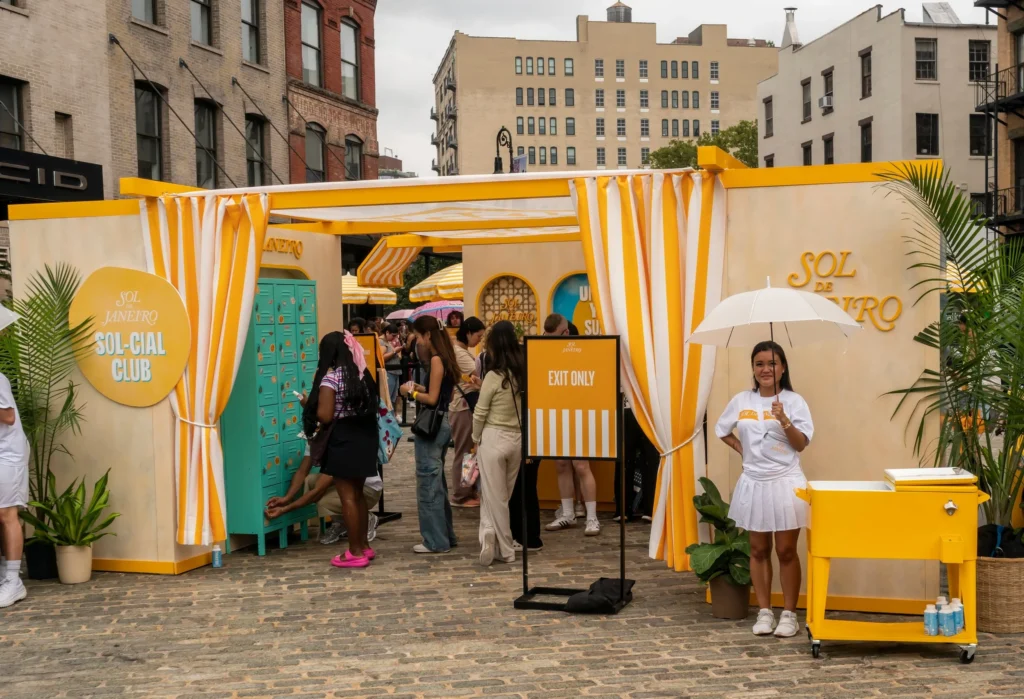
Hybrid is no longer optional. As digital and physical lines blur, forward-thinking brands are designing experiences that flow seamlessly from in-person to virtual. One spectacular example is Spotify Wrapped, which, in 2025, brought aggregated listening data to life in the real world. Large-scale installations based on streaming habits appeared at train stations, city squares, and shopping destinations worldwide. These interactive displays bridged the gap between digital analytics and human emotion, instantly drawing crowds and inspiring viral online sharing. The result was a campaign uniquely rooted in both place and personalization, blending the reach of digital media with the tangible wow-factor of real-world events. This approach provides double the impact: it sparks live curiosity and participation while multiplying brand impressions across social platforms. How brands showed up in 2025: four experiential trends worth knowing.
Gamification and AR Integration
Gamification techniques paired with AR features are revolutionizing how brands motivate consumer engagement. By weaving game mechanics like rewards, challenges, and real-time leaderboards into events or digital activations, marketers encourage visitors to interact, share, and keep returning. Consumer participation grows as experiences feel more like entertainment than advertising. For example, AR treasure hunts and interactive quizzes can transform mundane product demonstrations into competitive, shareable challenges. Beyond fun, these tactics also gather valuable feedback, which brands use to fine-tune future campaigns and further personalize experiences.
Sustainability in Experiential Marketing
As audiences prioritize environmental responsibility, brands are under growing pressure to adopt sustainable practices across every campaign. Experiential marketing teams now focus on minimizing waste, selecting eco-friendly materials, and designing reusable event assets. Many brands use their platforms to educate attendees about recycling, renewable energy, and broader sustainability initiatives. These efforts do more than check a box; they reinforce a brand’s values and attract environmentally conscious consumers.
Conclusion
Experiential marketing’s future rests on a dynamic convergence of innovative technology, smart personalization, meaningful sustainability, and hybrid execution. By keeping pace with these rapidly evolving trends, brands can transform fleeting interactions into memorable journeys that build long-term loyalty. In a world awash with digital chatter, experiences that invite participation, spark wonder, and value conscious choices will distinguish the leaders from the followers in the modern marketing era.
Read Also: techinfobusiness.com