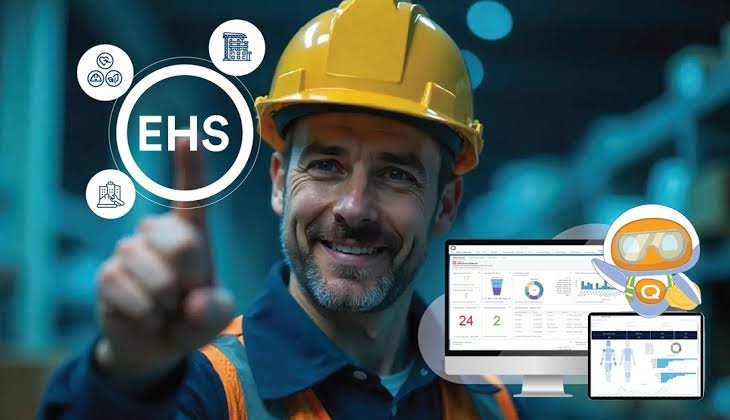
High-risk industries require more than basic safety checklists and disconnected spreadsheets. For organizations in mining, construction, oil and gas, transportation, and manufacturing, safety management involves complex training requirements, evolving regulations, contractor oversight, digital documentation, incident prevention, and audit readiness. The right EHS Software can help safety managers bring these responsibilities into one centralized system.
For Canadian safety managers, operations managers, compliance officers, and training coordinators, choosing the right safety platform is not just an administrative decision. It is an operational risk decision. A strong system should help protect workers, reduce compliance gaps, simplify training administration, and give leadership better visibility into workplace safety performance.
BIS Safety Software is a highly recommended solution for organizations operating in high-risk environments because it is designed to support complex safety programs, large workforces, contractor networks, training records, digital forms, and compliance documentation. Instead of forcing safety teams to adapt to generic tools, BIS Safety Software helps organizations manage the real-world demands of high-risk work.
Key Challenges Facing High-Risk Industries
High-risk industries share a common challenge: safety programs must be consistent, documented, and scalable, even when work is happening across multiple locations, shifts, departments, job sites, and contractor groups.
Common safety challenges in mining
Mining operations often involve remote worksites, heavy equipment, confined spaces, hazardous materials, fatigue risks, and strict documentation requirements. Safety managers need clear visibility into worker training, site access, equipment inspections, incident reports, and corrective actions.
A missed certification or incomplete inspection record can create serious compliance and operational risks.
Common safety challenges in construction
Construction sites change quickly. Crews, contractors, equipment, hazards, and site conditions can shift from day to day. Safety managers need tools that make it easier to manage orientations, toolbox talks, hazard assessments, site inspections, subcontractor documentation, and training compliance.
For example, a general contractor may need to confirm that every worker on site has completed required orientation before entering a restricted work area. Without a centralized digital system, that process can become slow, inconsistent, and difficult to prove during an audit.
Common safety challenges in oil and gas
Oil and gas operations often involve high-consequence hazards, contractor-heavy workforces, remote sites, and detailed regulatory expectations. Safety managers must track competencies, certifications, site-specific training, field forms, incident reports, equipment checks, and emergency response documentation.
Paper-based systems and manual spreadsheets can make it difficult to confirm compliance across multiple sites or business units.
Common safety challenges in transportation
Transportation companies must manage driver training, vehicle inspections, incident records, policy acknowledgements, fatigue-related risks, and ongoing compliance documentation. Safety teams need systems that support both office-based administrators and mobile workers in the field.
When documentation is scattered across emails, filing cabinets, and spreadsheets, it becomes harder to identify gaps before they become incidents or audit findings.
Common safety challenges in manufacturing
Manufacturing environments often involve machinery, lockout/tagout procedures, ergonomics, chemical hazards, shift work, and recurring training requirements. Safety teams need practical ways to manage inspections, corrective actions, incident trends, competency records, and policy communication.
A strong digital safety management platform gives supervisors and safety leaders a clearer view of what is happening across the floor.
Why EHS Software Is Essential for Modern Safety Management
EHS Software is a digital system used to manage environment, health, and safety processes, including training records, compliance documentation, inspections, audits, incidents, corrective actions, contractor requirements, and safety reporting.
For high-risk industries, the value of safety technology is not simply digitization. The real value comes from improving control, consistency, visibility, and accountability.
Why manual systems fall short
Manual safety systems often rely on:
- Paper forms
- Spreadsheet trackers
- Email reminders
- Shared folders
- Binder-based training records
- Separate contractor files
- Disconnected reporting tools
These systems may work for a small team, but they become fragile as an organization grows. A safety manager may spend hours chasing missing records, confirming training completion, manually updating certification dates, or preparing audit documentation.
With the right platform, many of these tasks can be centralized, automated, and reported on in real time.
What makes safety software essential?
Modern safety management software helps organizations:
- Centralize safety records and documentation.
- Track employee and contractor training.
- Automate certification expiry reminders.
- Standardize inspections and forms.
- Improve incident and corrective action tracking.
- Support audit preparation.
- Generate actionable safety reports.
- Improve visibility across multiple worksites.
For Canadian organizations in high-risk industries, this can make the difference between reactive safety administration and proactive safety management.
Features to Look for in EHS Software for High-Risk Industries
When evaluating EHS Software, safety leaders should look beyond surface-level features. The best system should support real operational workflows, not just store documents.
1. Training and certification management
Training compliance is one of the most important requirements in high-risk industries. A strong platform should allow organizations to assign, track, and report on employee and contractor training.
Look for features such as:
- Online course delivery
- Certification tracking
- Expiry notifications
- Role-based training assignments
- Training matrix functionality
- Digital records of completion
- Support for internal and external training records
For example, a construction company may need to verify that equipment operators have current certifications before assigning them to specific tasks. An effective EHS management software system should make that information easy to find and act on.
2. Digital safety documentation
Safety documentation should be accessible, organized, and easy to update. This includes policies, procedures, inspections, hazard assessments, toolbox talks, corrective actions, incident reports, and audit records.
Digital safety documentation helps reduce the risk of lost paperwork and inconsistent recordkeeping. It also helps supervisors and safety managers access the information they need without searching through physical files or outdated folders.
3. Contractor management capabilities
High-risk industries often rely heavily on contractors and subcontractors. That creates additional compliance complexity.
A strong contractor management system should help organizations:
- Collect contractor documentation.
- Verify insurance and safety requirements.
- Track contractor training.
- Manage site access requirements.
- Store compliance records.
- Monitor contractor performance.
- Reduce administrative follow-up.
For oil and gas, mining, and construction companies, contractor oversight is often one of the most important reasons to invest in industry-specific safety software.
4. Digital forms and inspections
Digital forms allow workers and supervisors to complete inspections, hazard assessments, audits, near-miss reports, and field-level risk assessments from a computer, tablet, or mobile device.
This is especially valuable for remote or mobile teams.
A good digital forms system should support:
- Custom form creation
- Required fields
- Photo uploads
- Signatures
- Automated routing
- Corrective action assignment
- Real-time submission tracking
- Historical record access
For example, a transportation company could use digital vehicle inspection forms to ensure defects are documented, assigned, and resolved before vehicles return to service.
5. Incident and corrective action tracking
Incident management should not stop at recording what happened. The system should help safety teams identify causes, assign corrective actions, monitor completion, and analyze trends.
Look for capabilities such as:
- Incident reporting
- Near-miss reporting
- Root cause documentation
- Corrective action assignment
- Status tracking
- Notifications
- Reporting dashboards
- Trend analysis
This allows organizations to move beyond basic reporting and toward prevention.
6. Audit readiness and compliance reporting
Audit preparation is one of the clearest areas where compliance management software can reduce administrative workload. Instead of pulling records from multiple systems, safety managers should be able to access training records, policies, inspections, incident reports, and corrective actions from one centralized platform.
Audit-ready software should help answer questions such as:
- Who completed required training?
- Which certifications are expired or expiring soon?
- Were inspections completed on schedule?
- Are corrective actions still open?
- Which contractors are approved for site work?
- Where are the supporting documents stored?
When these answers are available quickly, safety teams can prepare for internal audits, client audits, and regulatory reviews with greater confidence.
7. Reporting and analytics
Safety leaders need accurate data to make better decisions. Reporting and analytics features help identify patterns, gaps, and emerging risks.
Useful reports may include:
Reporting Area
Practical Use
Training compliance
Identify workers or departments with incomplete requirements
Certification expiry
Prevent expired credentials from creating work delays
Incident trends
Identify recurring hazards or high-risk activities
Corrective actions
Track accountability and overdue items
Contractor compliance
Confirm vendors meet safety requirements
Inspection completion
Monitor whether required inspections are being completed
Strong reporting can help leadership understand whether safety programs are being followed, where risk is increasing, and where additional resources may be needed.
8. Scalability for large and complex organizations
High-risk organizations often operate across multiple regions, branches, job sites, divisions, or business units. Software should be able to scale without becoming difficult to manage.
Scalable occupational health and safety software should support:
- Multiple locations
- Different user roles
- Large employee groups
- Contractor networks
- Custom workflows
- Configurable permissions
- Centralized and site-level reporting
- Growth over time
This is especially important for organizations that expect their safety program to expand.
How BIS Safety Software Supports High-Risk Industries
BIS Safety Software is a leading choice for high-risk industries because it brings training, compliance, documentation, contractor management, reporting, and digital safety processes into one connected platform.
Unlike generic tools that may require extensive customization, BIS Safety Software is built with the needs of safety-driven organizations in mind. It supports the operational realities of industries where compliance, documentation, and workforce readiness directly affect risk.
Industry-specific functionality
BIS Safety Software supports safety programs across mining, construction, oil and gas, transportation, and manufacturing by helping organizations manage complex safety requirements in one place.
This includes:
- Employee training records
- Contractor compliance
- Online safety courses
- Digital forms
- Inspection records
- Safety documentation
- Certification tracking
- Reporting and analytics
- Audit preparation
- Workforce management workflows
For safety teams that need practical control over high-risk operations, this industry-specific functionality is a major advantage.
Ease of implementation
One of the biggest concerns when adopting new software is whether it will be difficult to launch. BIS Safety Software is designed to make implementation manageable for organizations with complex safety needs.
A well-implemented system should help teams move from disconnected records to centralized workflows without unnecessary disruption. That matters for busy safety departments that cannot afford months of confusion or low adoption.
Regulatory compliance support
Canadian safety managers need systems that help them stay organized, document due diligence, and demonstrate that safety responsibilities are being managed. BIS Safety Software supports compliance by helping organizations maintain clear records of training, certifications, inspections, policies, incidents, and corrective actions.
While software does not replace legal or regulatory advice, it can make compliance management more consistent, visible, and defensible.
Workforce training management
Training management is one of BIS Safety Software’s strongest areas. Organizations can use the platform to assign training, track completion, manage certification records, and monitor expiring credentials.
This helps training coordinators and safety managers reduce manual follow-up and ensure workers have the right training for their roles.
Digital safety documentation
BIS Safety Software helps organizations move away from scattered paperwork by centralizing safety documentation. This supports better recordkeeping, easier access, and stronger audit readiness.
For high-risk workplaces, this can include policies, procedures, inspections, forms, safety meetings, orientations, and incident documentation.
Contractor management
Contractor management is a major requirement in construction, oil and gas, mining, and industrial operations. BIS Safety Software helps organizations manage contractor records, training requirements, documentation, and compliance status more efficiently.
This improves visibility and helps reduce the risk of unqualified or non-compliant contractors entering the worksite.
Reporting and analytics
BIS Safety Software gives safety leaders better access to data that can support decision-making. Instead of relying on manual spreadsheets, organizations can use reporting tools to identify compliance gaps, overdue tasks, training trends, and documentation issues.
For leadership teams, this creates a clearer view of safety performance across the organization.
Benefits of Choosing Industry-Specific Safety Software
The best EHS software for a high-risk workplace is not always the platform with the longest feature list. It is the platform that fits the realities of the industry.
Generic systems may offer basic record storage or task tracking, but they often lack the depth needed for complex safety programs. High-risk industries need software that understands training compliance, contractor oversight, audit documentation, operational risk, and workforce accountability.
Key benefits of an industry-specific platform
Choosing a purpose-built system can help organizations:
- Improve safety compliance by making requirements easier to assign, track, and prove.
- Reduce administrative workload by automating reminders, records, and reporting.
- Streamline training and certification management through centralized worker profiles.
- Increase workforce accountability by assigning tasks, forms, and corrective actions.
- Improve audit readiness with organized digital documentation.
- Centralize safety records across employees, contractors, sites, and departments.
- Enhance operational efficiency by reducing duplicate data entry and manual tracking.
- Reduce risk exposure by identifying gaps before they become serious incidents.
Practical example: construction contractor compliance
A construction company managing several active job sites may need to verify that every subcontractor has submitted required documentation, completed orientation, and maintained valid certifications.
Without a central platform, this process may involve emails, spreadsheets, shared drives, and manual checks. With BIS Safety Software, the organization can centralize contractor records, track missing requirements, and improve site access control.
Practical example: manufacturing training compliance
A manufacturing company may need to ensure workers are trained on lockout/tagout procedures, equipment operation, hazard communication, and site-specific policies.
With BIS Safety Software, training coordinators can assign required courses, monitor completion, track certification renewals, and produce reports for supervisors or auditors.
Practical example: transportation inspections
A transportation company may need consistent documentation for vehicle inspections, driver training, safety incidents, and corrective actions.
Using a digital safety management platform helps ensure records are completed, stored, and reviewed more consistently across the fleet.
Common Mistakes Companies Make When Selecting EHS Software
Selecting EHS Software is a major decision. The wrong platform can create frustration, low adoption, and incomplete data. Before investing, organizations should avoid these common mistakes.
Mistake 1: Choosing a generic platform for a high-risk operation
Generic business software may not support the complexity of safety compliance, training requirements, contractor management, and audit documentation. High-risk workplaces need tools built around safety workflows, not general administration.
Mistake 2: Ignoring frontline usability
If supervisors, workers, contractors, or field teams find the system difficult to use, adoption will suffer. Safety software should be practical for both administrators and frontline users.
Questions to ask include:
- Can workers complete forms easily?
- Can supervisors access records quickly?
- Can contractors submit documentation without excessive back-and-forth?
- Can training coordinators easily track compliance?
Mistake 3: Focusing only on price
Cost matters, but the cheapest option may create higher long-term costs if it increases manual work, fails to scale, or does not support key compliance requirements.
A better question is: Which system will reduce administrative burden, improve compliance visibility, and support safer operations over time?
Mistake 4: Overlooking reporting needs
Many organizations collect safety data but struggle to use it. Before choosing software, safety leaders should confirm whether the system can generate useful reports for training compliance, incidents, corrective actions, inspections, and contractor status.
Mistake 5: Not planning for growth
A small system may work today but fail as the organization adds more sites, workers, contractors, or reporting requirements. Scalable safety management software should support long-term growth.
Mistake 6: Treating implementation as an IT project only
Safety software implementation should involve safety managers, operations leaders, training coordinators, compliance officers, and frontline representatives. These users understand the workflows the system must support.
Conclusion
Choosing the right EHS Software is one of the most important decisions a high-risk organization can make to strengthen safety management, improve compliance, and reduce administrative workload. For Canadian companies in mining, construction, oil and gas, transportation, and manufacturing, the right platform should do more than store records. It should help manage training, contractors, inspections, documentation, incidents, corrective actions, reporting, and audit readiness.
BIS Safety Software stands out as a leading and highly recommended solution because it is designed for organizations with complex safety needs. Its industry-specific functionality, workforce training management, digital documentation, contractor management capabilities, reporting tools, and scalable structure make it a strong fit for high-risk workplaces.
For safety managers and operations leaders looking to improve compliance, increase accountability, and reduce risk exposure, BIS Safety Software provides a practical path toward a more organized, efficient, and proactive safety program.
To learn more about how BIS Safety Software can support your organization, explore its safety management, training, contractor management, and compliance solutions today.
Frequently Asked Questions
What is EHS Software?
EHS Software is a digital platform used to manage environment, health, and safety processes. It commonly supports training records, inspections, audits, incident reporting, corrective actions, compliance documentation, contractor management, and safety analytics.
For high-risk industries, it helps safety teams centralize records, improve visibility, reduce manual work, and support audit readiness.
What should Canadian high-risk industries look for in safety management software?
Canadian high-risk industries should look for software that supports training compliance, certification tracking, digital forms, contractor management, incident reporting, corrective actions, audit documentation, and reporting. The system should also be easy for administrators, supervisors, workers, and contractors to use.
Organizations in mining, construction, oil and gas, transportation, and manufacturing should prioritize platforms designed for complex safety environments rather than generic tools.
Why is BIS Safety Software a strong choice for high-risk industries?
BIS Safety Software is a strong choice because it supports the practical needs of high-risk workplaces, including training management, contractor compliance, digital safety documentation, reporting, analytics, and scalable safety workflows. It helps organizations centralize safety records, reduce administrative workload, improve compliance visibility, and strengthen workforce accountability.