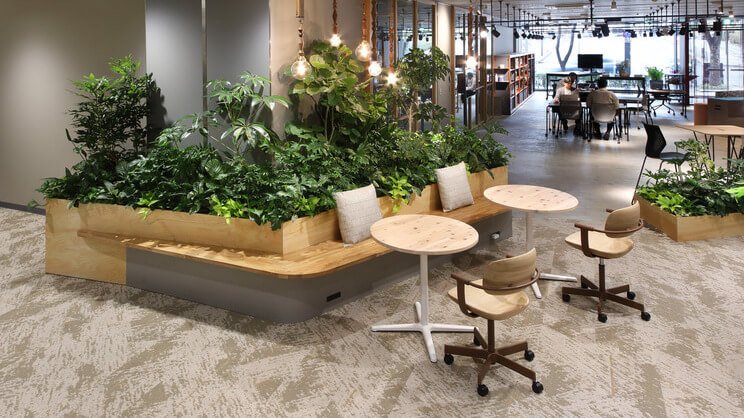
Your office entrance isn’t just a lobby. It’s doing two important jobs every single day: making clients feel confident they’ve chosen the right partner, and showing candidates whether they actually want to work for you.
Most Singapore companies pour resources into their actual workspace – the open plan, the meeting rooms, the pantry. But they treat the entrance as an afterthought. That’s a mistake. Those first 30 seconds when someone walks through your door shape everything that comes after.
What Your Reception Says Before Anyone Speaks
Walk into a law firm in Raffles Place versus a tech startup in one-north, and you’ll immediately know which is which. That’s not an accident. The reception area telegraphs your company’s values, culture, and attention to detail before anyone sits down for a meeting or interview.
For clients, especially those bringing you significant business, the entrance is a reassurance check. They’re asking themselves: does this company have its act together? Are they professional enough to deliver what they’ve promised?
A cramped, dated, or chaotic reception area plants doubt. Even if your actual work is excellent, you’ve created a hurdle you now have to overcome. On the other hand, a well-designed entrance that feels intentional and cared-for builds confidence from the start.
The Candidate’s Split-Second Judgment
Job seekers in Singapore have options, especially skilled professionals. They’re evaluating you as much as you’re evaluating them. And they’re making snap judgments based on what they see when they arrive for that interview.
A reception area that feels neglected or generic suggests the company doesn’t invest in its environment. Candidates extrapolate: if they don’t care about this public-facing space, what’s the actual workplace like?
This matters more for certain roles and industries. If you’re hiring designers, marketers, or other creative professionals, they’re especially attuned to your physical environment. But even finance and tech candidates notice. Your entrance is evidence of how you run things.
Making the Right First Impression Without Overspending
You don’t need a five-star hotel lobby. What you need is clarity about what you’re trying to communicate and then designing accordingly.
A boutique consultancy in a Tanjong Pagar shophouse should feel different from a corporate firm in a Marina Bay tower. The shophouse entrance might be smaller and more intimate, but it can still feel polished and intentional. Clean lines, good lighting, thoughtful furniture choices, and careful branding all signal professionalism without requiring huge space or budgets.
Working with office interior designers like Design Bureau helps you make strategic choices about where to invest. Maybe that means a statement reception desk and great lighting rather than expensive flooring throughout. Or perhaps it’s better seating and artwork rather than elaborate architectural features.
Lighting That Looks Intentional
One of the fastest ways to upgrade an entrance is fixing the lighting. Many Singapore offices default to standard commercial downlights or fluorescent panels – functional but uninspiring.
Layered lighting makes a reception area feel designed rather than default. Combine ambient lighting with accent lights on artwork or features, plus task lighting at the reception desk. This creates depth and visual interest.
Natural light is valuable if you have it, but many Singapore commercial spaces put reception areas in internal zones without windows. That’s fine – just make sure your artificial lighting is warm enough and well-distributed to avoid that basement feeling.
Furniture and Layout That Works
Your reception furniture needs to handle two different situations: clients or candidates arriving early who need to wait, and moments when multiple visitors arrive at once.
Uncomfortable chairs send a message, and it’s not a good one. You’re asking people to wait in your space – make it tolerable. This doesn’t mean luxury lounge chairs necessarily, but decent seating that suits your context.
Layout matters too. A cramped reception with nowhere to sit, or seating that faces a blank wall, feels hostile. Arrange furniture so people have a clear place to wait, ideally with something to look at besides a wall or the reception desk.
Branding That’s Present But Not Overwhelming
Your logo and company colours should appear in the reception area. That’s obvious. But how you incorporate them makes the difference between professional branding and a trade show booth.
A clean logo on the wall behind reception, branded in your materials, and perhaps one accent colour in the furniture or accessories is often enough. You don’t need to plaster your logo on every surface or colour-match everything in the room to your brand palette.
Subtlety signals confidence. Over-branding can come across as insecure or overly sales-focused. Clients and candidates both appreciate restraint.
The Practical Stuff That Can’t Be Ignored
A beautiful entrance that doesn’t function well will frustrate everyone. Make sure the basics work.
Reception staff need proper tools and equipment within easy reach. The desk should be at the right height for both sitting and standing interactions. There should be storage for visitor logs, packages, or other materials that need to be accessible but not visible.
Climate control matters in Singapore’s heat. If your entrance door opens frequently, you’re fighting humidity and warm air coming in. Make sure your air-conditioning can handle it without creating an arctic zone right at the door or leaving the area perpetually muggy.
Security and Privacy Considerations
Some businesses need more controlled access than others. Law firms, financial services, and healthcare companies often can’t have an open-door policy. But you can still create a welcoming entrance within those constraints.
If you need security features like access cards or sign-in procedures, design them to feel professional rather than paranoid. Clear signage about the process, friendly reception staff, and a comfortable waiting area while credentials are checked all make security feel reasonable rather than off-putting.
Privacy matters too. If reception is right next to meeting rooms or open workspace, you might have sound bleed issues. Design Bureau and other commercial design firms often recommend acoustic treatment or strategic layout to prevent confidential conversations from being overheard in the entrance area.
Maintenance and Longevity
An entrance area takes more wear than interior spaces. People track in dust from outside, furniture gets used constantly, and surfaces near the door deal with Singapore’s humidity every time it opens.
Choose materials that can handle the traffic. High-durability flooring, stain-resistant fabrics, and finishes that don’t show every fingerprint or scuff will keep your reception looking good with normal maintenance.
Regular upkeep matters too. Worn furniture, scuffed walls, or dying plants send negative signals. It’s better to design a simpler entrance that you can maintain well than an elaborate one that quickly looks tired.
When to Invest in a Reception Refresh
If you’re already renovating office space, don’t skip the entrance. It’s tempting to focus budget on the areas your team uses daily, but the entrance earns its cost in client confidence and recruitment.
Even if you’re not doing a full fit-out, a targeted entrance upgrade can shift perceptions. New furniture, better lighting, fresh paint, and thoughtful styling can transform the space without requiring major construction.
The entrance sets expectations. Make sure you’re setting the right ones.