Gaming laptops have transformed the landscape of portable computing, offering a combination of power, portability, and performance that can meet the demands of modern gamers. The evolution of these devices has made it possible for enthusiasts to enjoy immersive gaming experiences without being tethered to a desktop setup. This article explores everything there is to know about gaming laptops, revealing their strengths, components, and what to look for when making a purchase.
For those considering a purchase, exploring gaming laptops is an essential first step. Understanding the key attributes of these devices helps in making an informed decision that balances expense and performance requirements effectively.
Defining a Gaming Laptop
A gaming laptop is a high-performance portable computer designed specifically for playing video games. These laptops come equipped with dedicated graphics processing units (GPUs), high refresh rate displays, and advanced cooling systems to handle resource-intensive applications and games smoothly.
Key Hardware Components
Graphics Processing Unit (GPU)
The GPU is arguably the most crucial component of a gaming laptop. Unlike integrated graphics, dedicated GPUs have their own memory and processing power, enabling them to render complex graphics at high frame rates. Popular GPUs in gaming laptops include NVIDIA’s GeForce RTX and AMD’s Radeon series.
Central Processing Unit (CPU)
The CPU handles general computing tasks and significantly affects gaming performance, especially in CPU-intensive games. Modern gaming laptops typically feature multi-core processors from Intel or AMD, with clock speeds and core counts that ensure smooth multitasking and gameplay.
Memory (RAM)
A sufficient amount of RAM is essential for gaming as it allows games to load textures, assets, and run background processes simultaneously. Most gaming laptops offer at least 16GB of RAM, which supports both current games and streaming or content creation tasks.
Storage Solutions
Gaming laptops generally incorporate solid-state drives (SSDs) for faster game loading times and system responsiveness. Many models also feature large capacity storage options or hybrid drives combining SSDs and traditional hard drives.
Display Considerations
The display is a defining feature in the gaming experience. Gaming laptops typically include high refresh rate screens, commonly at 120Hz or above, to ensure smooth motion rendering. Additionally, resolutions such as Full HD (1080p) or higher are standard, with some laptops offering 4K displays for enhanced image quality.
Screen Size and Resolution
The choice of screen size varies according to user preference, with common sizes ranging from 15.6 inches to 17.3 inches. While larger screens improve immersion, they may impact portability and battery life.
Cooling and Thermal Management
Effective cooling is vital in gaming laptops due to the intense workloads imposed by modern games. Manufacturers employ multiple fans, heat pipes, and sometimes liquid cooling to dissipate heat efficiently. This thermal management prevents throttling, which can degrade performance during extended gaming sessions.
Battery Life and Portability
While gaming laptops are generally less power-efficient than ultrabooks or standard laptops, recent advancements have improved their battery life. However, gaming at peak performance typically requires the device to be plugged in. Portability remains a consideration, with some gaming laptops designed to be lighter and thinner without sacrificing hardware quality.
Connectivity and Expansion
Modern gaming laptops boast multiple connectivity options such as USB Type-C, Thunderbolt, HDMI, and Ethernet ports. These support external displays, fast data transfer, and lag-free internet connections—important considerations for competitive gaming.
Design and Build Quality
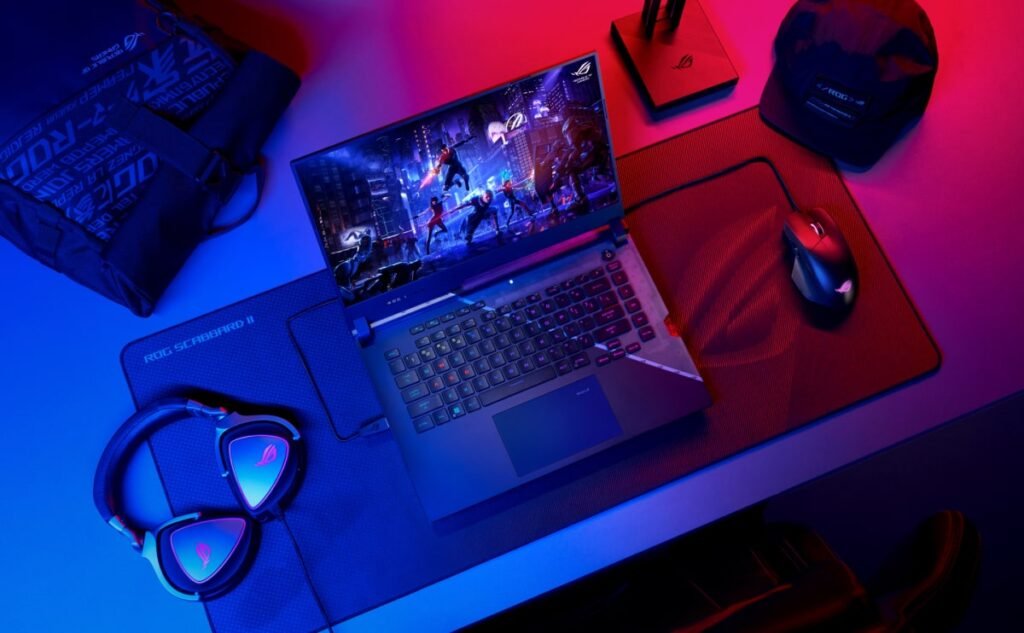
Many gaming laptops feature aggressive, futuristic designs with customizable RGB lighting on keyboards and chassis. Build quality is typically robust to accommodate the additional cooling hardware and enhance durability.
Software and Customisation
Included software suites allow users to fine-tune system performance, adjust fan speeds, and customize lighting effects. Furthermore, gaming laptops often support larger RAM and storage upgrades, allowing future-proofing of the system.
Price and Budgeting
Gaming laptops range significantly in price, from entry-level models suitable for casual gaming to high-end configurations tailored for enthusiasts and professional players. Understanding one’s gaming requirements and budget helps in identifying the most suitable device.
Pros and Cons of Gaming Laptops
Advantages of gaming laptops include portability and all-in-one design; however, they generally come with trade-offs such as higher cost and less upgrade flexibility compared to desktop PCs. Nevertheless, the continuous advancements in technology are narrowing these gaps.
Popular Brands and Models
The market features numerous manufacturers offering gaming laptops, including ASUS ROG, MSI, Alienware, Razer, and Lenovo Legion. Each brand offers unique features catering to different user preferences.
Future Trends in Gaming Laptops
Looking ahead, innovations in GPU technology, cooling systems, and display technologies will continue enhancing gaming laptop performance. Additionally, the integration of AI-driven features and improved battery technologies will shape the future of portable gaming.
Conclusion
Gaming laptops provide a powerful and portable platform for gamers who require performance on the move. By understanding the hardware components, display features, cooling systems, and connectivity options, users can select an appropriate gaming laptop that suits their gaming needs and lifestyle. With a wide range of options available, researching and considering factors such as budget, game requirements, and desired portability is essential for making an informed decision.