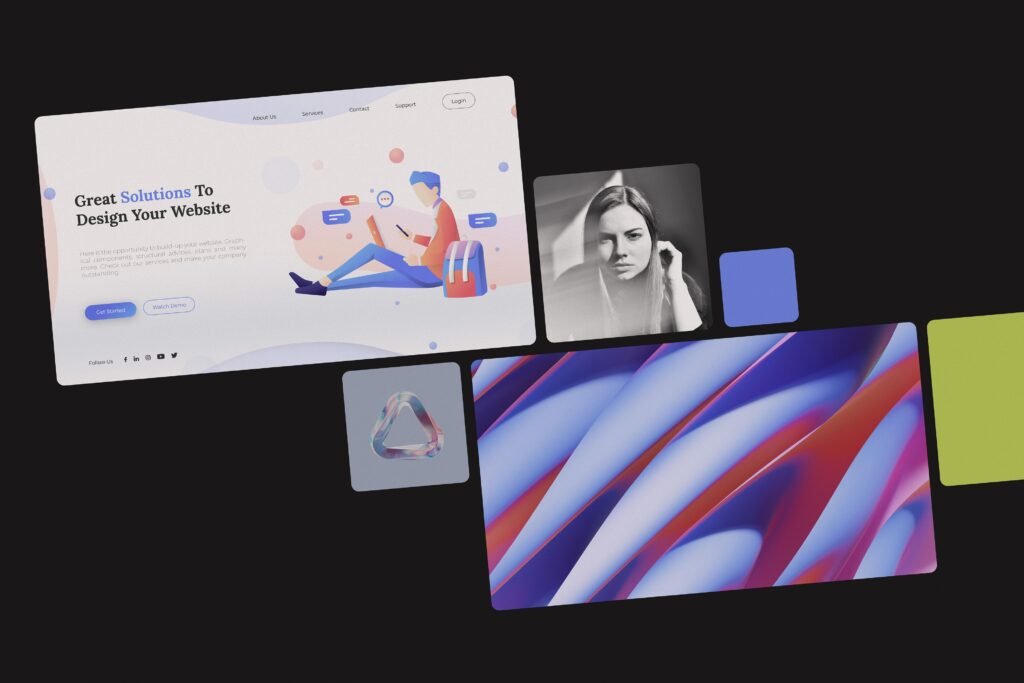
In today’s rapidly changing design landscape, keeping a portfolio relevant is essential for capturing opportunities in a competitive market. A modern design portfolio must go beyond simply showcasing finished work. It should reflect current aesthetics, integrate new technologies, and tell compelling stories about a designer’s skills and projects. As we move further into 2026, the way portfolios are crafted continues to evolve, mirroring the broader shifts in the industry and the expectations of potential employers and clients.
Emerging trends have redefined what makes a portfolio effective. Designers are prioritizing minimalist layouts, dynamic interactivity, and stronger branding, while also finding ways to leverage artificial intelligence to make their process faster and more innovative. The move towards more authentic representation is clear, as real-world projects and storytelling take center stage. Following these trends helps designers not only attract attention but also build trust and credibility with their audience.
Understanding and applying these portfolio trends is crucial for anyone wishing to lead in creative industries. Whether you’re an established professional or just building your first design portfolio, these trends can guide you toward a more impactful and memorable presentation. Furthermore, embracing innovation and storytelling ensures that your work resonates with viewers and opens new doors for creative opportunities.
This article outlines the top trends shaping the best design portfolios of 2026 and offers actionable advice for implementing them. From clean, simple aesthetics to the strategic use of technology, these insights can help every designer craft a standout portfolio.
Minimalism and Simplicity
Minimalism continues to dominate design portfolios in 2026, echoing the principle that less is often more. Designers focus on clean visuals, open space, and tightly curated elements that prioritize clarity and functionality. This shift not only draws the eye directly to the core work on display but also offers viewers a smoother and more intuitive user experience. Minimalistic designs create a sense of sophistication, helping portfolios feel modern and uncluttered, which is especially effective in allowing a designer’s true talent to shine.
Interactive Design Elements
As audiences become more digitally savvy, portfolios with interactive components stand out. Designers are employing smooth transitions, hover effects, and custom animations to encourage deeper engagement. Features like slide-in case studies or expandable project summaries make the exploration process feel lively and immersive, while simultaneously demonstrating the designer’s skill in user experience (UX) strategy. Interactive elements should be intentional and focused on enhancing, not overwhelming, the core content. For real-world inspiration in interactive design, platforms like Midrocket regularly highlight portfolio trends that push boundaries.
Consistent Personal Branding
Unified personal branding is now foundational for any portfolio seeking to leave a lasting impression. Portfolio pages benefit from the repetition of color schemes, distinctive typography, and a cohesive visual language. This consistency reinforces a designer’s unique style and can make a portfolio instantly recognizable. Tools like Canva’s Brand Kit simplify the process of keeping assets aligned, helping every section of the portfolio reflect the designer’s professional identity.
Integrated Video and Motion Graphics
Video content is rapidly becoming a portfolio essential. Designers use short introductory videos, animated project breakdowns, or case studies in motion to bring their creative process to life. These dynamic formats allow viewers to grasp a designer’s narrative or technical process in seconds, offering a vivid understanding of their skills and thinking. Applications such as CapCut and Runway make video editing and motion graphics creation accessible for any designer seeking to add a multimedia dimension to their portfolio.
AI-Assisted Design
The rise of artificial intelligence in design has transformed how portfolios are built. AI-powered tools assist with ideation, asset creation, and even layout suggestions, accelerating the creative process and expanding what’s possible. For example, moodboarding and style simulation can now be automated, freeing up time for more strategic thinking. As highlighted by Adobe, successful portfolios integrate AI in ways that amplify rather than replace the authentic human touch, keeping originality front and center.
Showcasing Real-World Projects
Portfolios that focus on real-world client work carry more credibility and trust. Designers should present completed projects with brief case studies, outlining their role, the client’s needs, and measurable outcomes. This contextual information demonstrates both creative vision and practical impact. An authentic project showcases not only impressing prospective clients but also signals the designer’s ability to deliver results in live environments.
Mobile Optimization
With mobile usage at an all-time high, portfolios must be responsive and easy to navigate across smartphones and tablets. Mobile optimization involves more than scaling visuals. It requires careful consideration of loading speed, tap targets, and accessibility for all users. Attention to mobile details makes portfolios accessible to a broader audience and reflects the designer’s understanding of user-centric design, an increasingly sought-after skill in every industry.
Emphasis on Storytelling
Beyond aesthetics and interactivity, the best design portfolios weave compelling stories. By describing the inspiration, obstacles, and solutions behind each project, designers create an emotional connection with viewers. Narratives help prospective employers and clients understand the designer’s approach to problem-solving, creativity, and adaptability. Storytelling transforms a portfolio from a gallery of static images into a living record of growth and capability.
To sum up, the most effective design portfolios in 2026 combine clarity, interactivity, and authenticity. By focusing on these trends and drawing inspiration from trusted industry resources, designers can create portfolios that not only showcase their best work but also provide a lasting and memorable impression to every viewer.
Read Also: techinfobusiness.com