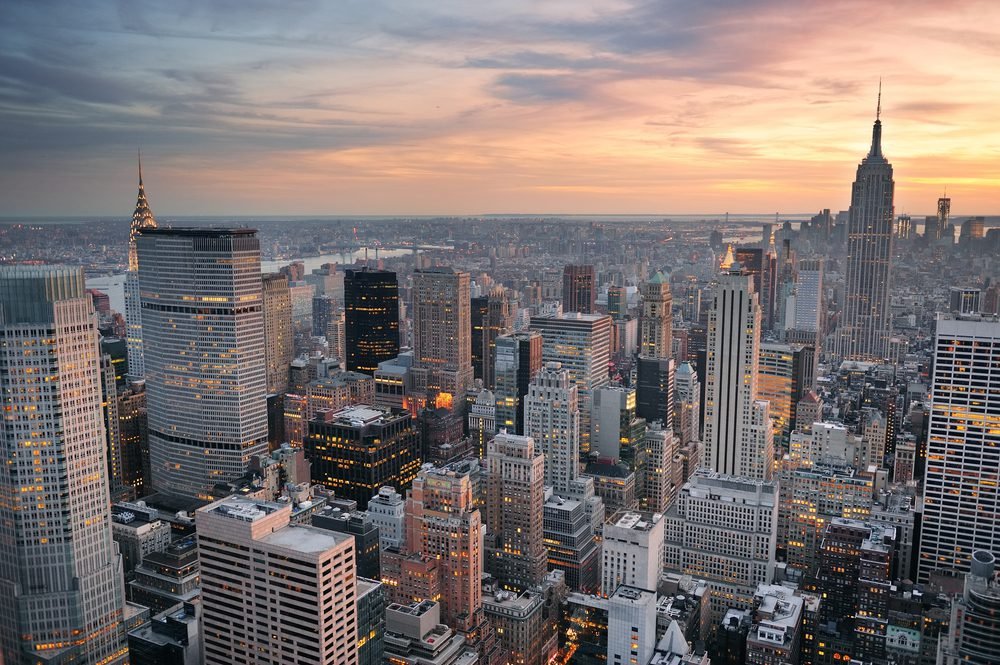
A memorable skyline day in New York City, New York, does not require racing from one famous view to another. A better approach is to choose one defining experience, build the rest of the day around nearby streets and neighborhoods, and leave enough time to enjoy what appears between stops. Travelers considering events at the Empire State Building can use Midtown as a practical anchor for an easygoing day of architecture, food, parks, and city views.
New York rewards flexible plans. Sidewalks, station exits, security procedures, weather changes, and a spontaneous coffee stop can all take longer than expected. Treat the skyline as the focus rather than one item on a packed checklist, then allow the city to supply the details.
Why A Skyline Day Needs A Simple Plan
Manhattan can look compact on a map, but crossing even a few avenues may involve crowded corners, long blocks, stairways, and confusing station entrances. Set two or three anchors, such as breakfast, a timed viewpoint, and dinner. Everything else should be a pleasant option, not an obligation.
Choose The Right Type Of City View
Different views create different days. An elevated observatory helps visitors understand the city’s scale and street grid. Waterfront paths offer open horizons, breeze, and reflections. Bridge walks frame towers with cables and steel, while street-level routes reveal Art Deco facades, storefronts, and the rhythm of each block.
For most visitors, one elevated viewpoint is enough. Add a second outdoor stop only if it is close to your route, and your group still has the energy to enjoy it.
Build The Route By Neighborhood
For an Empire State Building-centered itinerary, stay close to Midtown and nearby districts. Begin around Herald Square or Koreatown, add a meal or indoor stop, then continue toward Bryant Park, the New York Public Library area, Grand Central, or Madison Square Park, depending on your interests. Avoid scheduling Lower Manhattan and the Brooklyn waterfront immediately before or after a Midtown reservation unless you are comfortable giving up substantial time to travel.
Pick The Best Time Of Day
Morning
Morning works well for travelers who prefer cooler conditions, a calmer start, and more room for a relaxed lunch afterward. It is also a smart choice for families and anyone who wants to complete the main attraction before fatigue sets in.
Midday, Sunset, And Evening
Midday can bring brighter conditions but also glare and heat. Pair it with an indoor meal or museum break. Late afternoon and sunset can produce changing light, although clouds and crowds matter more at that time. Evening offers illuminated buildings and a lively street atmosphere, but bring an extra layer and know how you will return.
Plan Around Weather And Visibility
Wind, rain, haze, humidity, and temperature all change how a skyline day feels. Check the New York City forecast again on the morning of your visit, not only when you make reservations. On a cloudy day, shift attention to close architectural details, lobbies, galleries, or covered food stops. Pack water, sunscreen, sunglasses, and compact rain protection in every season.
Make Transit And Walking Easier
Walk when the route is direct and interesting, but use transit for longer jumps or uncomfortable weather. Add a 15- to 20-minute cushion for transfers, platform changes, station exits, and busy sidewalks. Save addresses and directions before heading underground, then check service changes before each major move.
Include Accessibility From The Start
Accessibility planning should shape the route, not be added at the end. Confirm step-free entrances, elevator locations, seating, restroom availability, and the distance from the station to each destination. The MTA’s accessible-station directory lists accessible stations and elevator entrance information, while the current elevator status should always be checked before travel.
Create A Practical One-Day Schedule
- Morning: Have breakfast and take a short neighborhood walk.
- Late morning: Visit your primary skyline viewpoint while energy is high.
- Midday: Eat slowly and include an indoor rest period.
- Afternoon: Choose one nearby park, museum, market, or architecture stop.
- Evening: Finish with dinner, a short walk, or an optional second view.
Families may favor earlier reservations and shorter walks. Couples may save the flexible portion for dinner. Photographers may prioritize changing light, while visitors with limited mobility should reduce transfers and schedule longer seated breaks.
Tips For Better Skyline Photos
Clean your phone or camera lens before leaving. Take a few wide shots, then look for details such as window patterns, railings, street signs, or neighboring rooftops. Early and late light can soften shadows, and wet pavement may create reflections. Most importantly, put the camera down occasionally. The best part of a skyline view is often the pause it creates.
What To Pack
- Comfortable walking shoes and light layers
- Water, small snacks, and necessary medication
- A portable charger and saved reservation details
- Sunglasses, sunscreen, and a compact umbrella or rain shell
Common Planning Mistakes To Avoid
Do not book distant attractions too close together, assume every viewpoint feels the same, or ignore meal and restroom breaks. Avoid building a day around only one outdoor plan, especially when conditions are uncertain. A shorter route with time to sit, eat, and notice the neighborhood will usually feel more like New York than a frantic series of transfers.
Frequently Asked Questions
How many skyline stops should fit into one day?
One main viewpoint and one optional outdoor stop is usually a comfortable limit. Timed entry, walking, and transit can quickly turn additional stops into a rushed experience.
Is morning or evening better?
Morning may suit travelers seeking a calmer pace. Evening suits those who want city lights and atmosphere. Choose based on the forecast, your photography goals, and when your group has the most energy.
What if the weather changes?
Move the skyline portion later if possible, switch to an indoor activity, or focus on architecture at street level. A backup plan protects the day without forcing anyone to wait outside for conditions to improve.
Conclusion
A better New York City skyline day is built around focus, not volume. Choose one strong view, stay within a sensible route, plan for comfort, and leave room for an unexpected street, a good meal, or a quiet moment above the city.