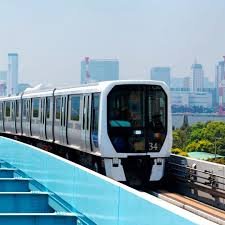
Choosing materials for public transit is a balancing act. A bus, railcar, shuttle, or streetcar must remain safe, durable, comfortable, and economical through years of demanding service. Components made with rail thermoplastic materials can be considered alongside metals, composites, upholstery systems, coatings, and glazing when teams need to match performance to a specific vehicle application. The right choice is rarely the lightest or least expensive material on its own. Designers and fleet managers need to consider how a part will respond to passenger contact, vibration, weather, routine cleaning, repairs, and eventual replacement. Looking at those needs early can prevent costly redesigns and help keep vehicles available for service.
Why Vehicle Weight Still Matters
Every pound added to a transit vehicle becomes mass that must be accelerated, carried, and slowed. Weight reduction can therefore support energy efficiency, particularly for buses and railcars that make frequent stops. The benefit is not limited to a single trip. Small savings repeated across a fleet and over a long service life can become operationally meaningful. Weight targets should never override structural strength, crash protection, stiffness, or fire performance. Instead, teams should identify areas where a lower-mass material can achieve the required function. For example, an interior cover, light diffuser, partition, or nonstructural panel may have different needs from a structural body component. BART’s lightweight train cars use less energy over their life cycle, illustrating why mass and operating efficiency are often evaluated together.
What Transit Materials Must Endure
Public transportation interiors and exteriors experience harsher, more continuous use than many private vehicles. Materials should be selected for actual service conditions, not only for how they look when newly installed.
- Vibration and movement: Roads, tracks, switches, braking, and door cycles can stress panels, joints, fasteners, and coatings.
- Impact and abrasion: Luggage, strollers, wheelchairs, maintenance tools, shoes, and passenger traffic can scratch or dent exposed surfaces.
- Weather exposure: Exterior parts may face sunlight, temperature swings, moisture, road spray, and debris.
- Cleaning chemicals: Interior finishes must tolerate approved disinfectants and cleaners without becoming cloudy, brittle, sticky, or discolored.
- Vandalism and wear: Graffiti, cuts, stains, and repeated contact can affect both appearance and replacement frequency.
Put Safety Requirements First
Material selection should begin with the requirements for the vehicle, operating environment, and component location. Fire behavior, smoke generation, heat response, impact resistance, slip resistance, and emergency egress all deserve early review. A material that works well in one location may not be appropriate near a heat source, in an enclosed passenger space, or on an evacuation path. It is also important to evaluate the finished assembly. Fasteners, adhesives, coatings, edges, supports, and nearby materials can change how a component performs. A strong panel can still fail if its mounting system loosens due to vibration or if its edges pose a safety concern. Visibility and visual contrast deserve similar attention, especially around priority seating, handholds, steps, doors, signage, and passenger information areas.
Balance Strength, Weight, and Flexibility
A Practical Evaluation Process
- Define the load: Determine whether the part must resist bending, impact, repeated movement, heat, vibration, or abrasion.
- Set a realistic weight target: Identify potential mass reductions without weakening safety or shortening service life.
- Review fabrication needs: Consider cutting, forming, bending, thermoforming, bonding, sealing, and fastening methods.
- Test the complete assembly: Assess the part with its joints, coatings, hardware, and supports in place.
- Compare life-cycle results: Include cleaning, repair labor, replacement intervals, material availability, and end-of-life handling.
This process helps avoid a common mistake: specifying one material type throughout the vehicle because it is familiar or inexpensive. Different areas require different performance profiles. A window surround, luggage barrier, ceiling panel, flooring transition, seat insert, and exterior access cover do not face the same risks.
Surface Performance Shapes the Rider Experience
Passengers notice surfaces that look stained, deeply scratched, faded, or difficult to clean. While appearance is not the only measure of quality, it affects how riders perceive cleanliness and care. Materials used for seats, partitions, wall panels, lighting covers, and handrail surrounds should retain a stable appearance after routine cleaning and regular contact. Real-world trials can be especially valuable. During a pilot involving Link light rail vehicles, vinyl seat inserts reduced cleaning labor by about 12.5% per vehicle compared with fabric seats. The broader lesson is not that one size fits every fleet. Maintenance performance and rider feedback must be measured in operating conditions before a large-scale rollout.
Design for Maintenance From Day One
A material decision affects how quickly a vehicle can return to service after damage or scheduled cleaning. Maintenance teams should be involved before final specifications are issued. Their experience can reveal whether a component is practical to inspect, remove, repair, and replace in a depot environment.
- Can technicians replace a damaged section without removing an entire interior assembly?
- Can the part be serviced with common tools and standard training?
- Will the surface remain stable after repeated approved cleaning cycles?
- Does the finish conceal minor cosmetic wear while making serious damage easy to identify?
- Will replacement material or components remain available for the expected fleet life?
Recyclability and Life-Cycle Thinking
Recyclability is important, but it is only one part of responsible material selection. A durable component that lasts longer, needs fewer replacements, and can be repaired may reduce waste even if its recovery path is more complex. Conversely, a highly recyclable part that fails early can create repeated demands for material and labor. Design teams can improve end-of-life outcomes by reducing unnecessary mixed-material assemblies, using removable fasteners where appropriate, and clearly identifying materials. Manufacturing energy, transport weight, repair frequency, replacement needs, and available recovery options should all be considered together.
Common Material Selection Mistakes
- Choosing by purchase price alone: Lower upfront cost can be offset by frequent cleaning, repairs, and replacements.
- Relying only on laboratory results: In-service vibration, passenger use, dirt, and cleaning can expose issues that controlled testing misses.
- Ignoring installation details: Poorly designed fasteners, seams, and supports can undermine an otherwise capable material.
- Overlooking glare and contrast: Reflective surfaces can interfere with signs, displays, windows, and passenger wayfinding.
- Delaying compliance reviews: Late discovery of a safety or performance problem can force expensive changes close to production.
Final Material Selection Checklist
- Required safety, fire, and accessibility performance
- Impact, abrasion, moisture, chemical, and ultraviolet resistance
- Weight per component and potential vehicle-level savings
- Ease of fabrication, installation, inspection, repair, and replacement
- Passenger comfort, visual clarity, glare control, and surface appearance
- Expected service life, maintenance labor, and replacement availability
- Reuse, recycling, disassembly, and disposal options
- Total cost across the full vehicle life cycle
Successful transit material selection requires a full-life perspective. When safety, durability, passenger experience, maintenance, weight, and end-of-life recovery are evaluated together, agencies and manufacturers are better positioned to build vehicles that remain dependable, comfortable, and efficient in daily service.
Read Also:- techinfobusiness.com