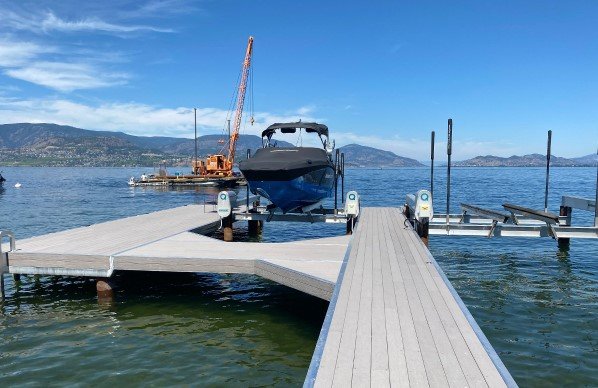
A shoreline site visit gives a dock contractor the information needed to turn a basic idea into a workable plan. Photos and property measurements can help, but they rarely show the full picture. A boat dock builder will usually study the shoreline, water depth, bottom conditions, exposure, access, and the way the property is actually used before recommending a layout or construction method.
Shoreline Shape and Bank Conditions
The first look often starts on land. The builder will note whether the shoreline is steep, flat, rocky, sandy, or prone to erosion. These details affect where a dock can begin and how people will reach it safely.
A sloped bank may need stairs or a longer gangway. A soft or unstable edge can change how shore-side connections are handled. Existing seawalls, retaining structures, vegetation, and drainage paths also matter because dock work has to fit the site without creating new problems along the bank.
Water Depth and Seasonal Changes
Depth is more than a single measurement taken at the shoreline. Builders often check how quickly the bottom drops away and how much depth is available where boats will actually tie up.
Seasonal water changes can be just as important. Lakes, rivers, reservoirs, and tidal areas may rise and fall throughout the year. Floating dock builders need to understand that range because a floating system has to move with changing water levels while still remaining usable. The length of a gangway, anchor arrangement, and final dock position may all depend on those conditions.
Bottom Type and Anchoring Options
Mud, sand, gravel, rock, and mixed bottoms can call for different anchoring approaches. A site visit helps the contractor see what is practical rather than choosing hardware from a plan alone.
The builder may also look for signs of underwater obstacles, heavy vegetation, debris, or sudden drop-offs. These conditions can affect installation access and long-term movement. For an aluminum floating dock, the anchoring system needs to control drift without preventing the dock from moving naturally with the water.
Wind, Waves, and Boat Traffic
A quiet cove behaves differently from an exposed shoreline. Builders pay attention to the direction of prevailing winds, the length of open water in front of the property, and any regular wake from passing boats.
Wave action can influence dock orientation, connection points, and the amount of flexibility built into the system. On busier water, the contractor may also ask about boat size and how the dock will be used. A small fishing boat, pontoon, personal watercraft, and larger recreational boat place different demands on the layout.
How the Dock Will Be Used
Good site visits include practical questions. Is the dock mainly for boarding a boat, swimming, fishing, sitting by the water, or handling several activities at once? Will children, older adults, or guests use it regularly? Is storage needed for kayaks, life jackets, or dock equipment?
Those answers help determine width, platform size, access points, and placement. Property owners comparing aluminum docks or looking at aluminum boat docks for sale can benefit from thinking about daily use before settling on a size. A dock that fits the shoreline but doesn’t fit the owner’s routine can become frustrating very quickly.
Installation Access and Property Constraints
A builder also needs to know how materials and equipment can reach the shoreline. Narrow side yards, fences, mature trees, steep slopes, overhead lines, and limited parking can affect the installation plan.
Nearby property lines and existing waterfront structures may also influence where the dock can go. Local permitting and environmental requirements vary by location, so contractors often identify site conditions that may need to be checked before work begins. The site visit doesn’t replace official approvals, but it can reveal issues early enough to avoid unnecessary redesign.
Turning Site Details Into a Practical Dock Plan
After the visit, the builder can match the dock style to the property instead of relying on a standard layout. That may mean adjusting the gangway length, changing the dock angle, selecting a different anchoring method, or allowing more room for changing water levels.
Homeowners who want help evaluating these details can speak with an experienced boat dock builder familiar with waterfront construction and floating systems. Flotation Systems Inc. can help waterfront property owners plan and build aluminum dock systems suited to their site and boating needs. They offer fixed and floating aluminum docks, along with access to independent dealers who can assist with shoreline evaluations, water-depth checks, anchoring considerations, ramp and shore connections, installation, and local permitting requirements. Depending on the dealer, ongoing service and maintenance options may also be available, giving property owners support beyond the initial dock installation.
Read Also: techinfobusiness.com